Ammonia → Biuret
Reaction equation

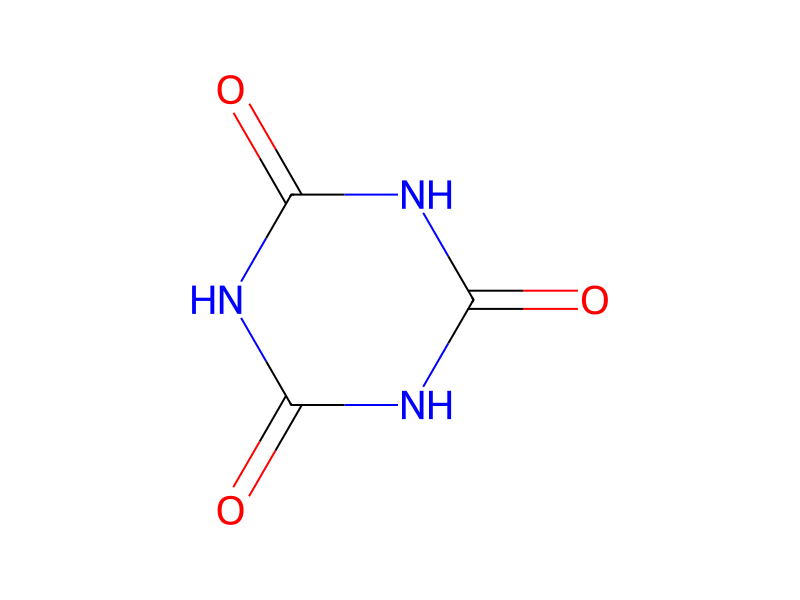
[NH2:1][C:2]([NH2:4])=[O:3].[NH3:5].[C:6](=[O:9])([O-])[O-:7].[NH4+].[NH4+].[NH2:12][C:13]([NH:15][C:16]([NH2:18])=[O:17])=[O:14]>>[NH2:12][C:13]([NH:15][C:16]([NH2:18])=[O:17])=[O:14].[NH:1]1[C:16](=[O:17])[NH:15][C:13](=[O:14])[NH:4][C:2]1=[O:3].[C:13]1([O:3][C:2](=[NH:4])[O:9][C:6](=[NH:5])[O:7]1)=[NH:12]Participants
7





Procedure
Two-three heated moles of ammonia to one mol of heated carbon dioxide, heated at 160 to 210 degree C. is forced through a reactor which has an aqueous solution or oil-water slurry of ammonia and carbon dioxide which is being circulated at 160° to 210° C. and under 2-6000 psi to form ammonium carbamate which when heated lose 1 mol of water thereby producing an aqueous urea. The aqueous urea contains small amounts of ammonia, ammonium carbonate and biuret. The aqueous urea is concentrated and the urea crystalizes out. The urea may be heated to above the boiling point of urea to produce biuret or cyanuric acid and cyamelide. When urea is heated with a small amount of water it condensates to for a partially hydrolyzed urea condensate.
Workup
- concentrationThe aqueous urea is concentrated
- customthe urea crystalizes out
- temperatureThe urea may be heated to above the boiling point of urea
Sources & evidence
- ORD record
- ord-c6c4ced8b70a4c89a856205bbf83a281
- Source dataset
- uspto-grants-2002_07
- Patent number
- US06423251B1
Reaction notes
Loading…