Potassium Carbonate → 2-[3-[(E)-2-(3-pyridyl)vinyl]phenylamino]-3-nitropyridine
Reaction equation

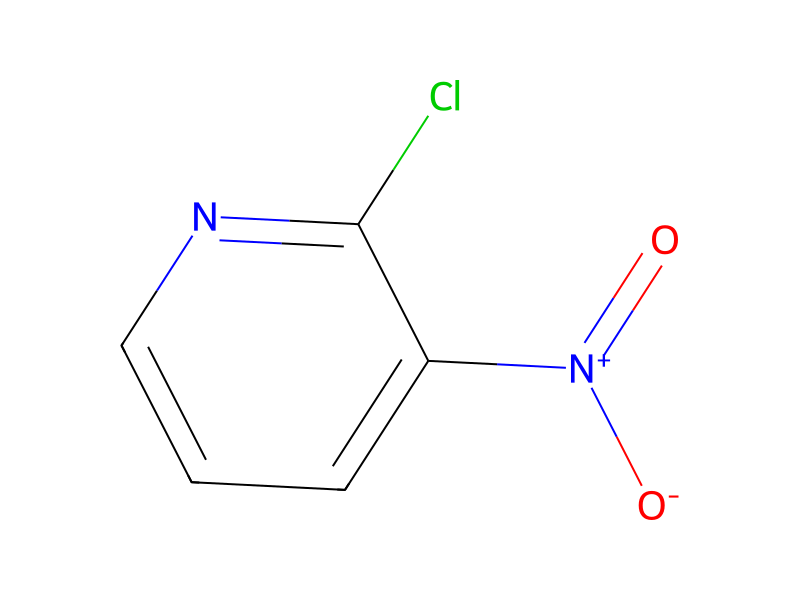
Cl[C:2]1[C:7]([N+:8]([O-:10])=[O:9])=[CH:6][CH:5]=[CH:4][N:3]=1.[NH2:11][C:12]1[CH:13]=[C:14](/[CH:18]=[CH:19]/[C:20]2[CH:21]=[N:22][CH:23]=[CH:24][CH:25]=2)[CH:15]=[CH:16][CH:17]=1.C(=O)([O-])[O-].[K+].[K+]>O1CCOCC1>[N+:8]([C:7]1[C:2]([NH:11][C:12]2[CH:17]=[CH:16][CH:15]=[C:14](/[CH:18]=[CH:19]/[C:20]3[CH:21]=[N:22][CH:23]=[CH:24][CH:25]=3)[CH:13]=2)=[N:3][CH:4]=[CH:5][CH:6]=1)([O-:10])=[O:9]Participants
5




Procedure
A mixture of 2-chloro-3-nitropyridine (1.15 g), 3-[(E)-2-(3-aminophenyl)vinyl]pyridine (1.23 g) and potassium carbonate (1.1 g) in 1,4-dioxane (15 ml) was stirred under reflux for 22 hours. After cooling, insoluble materials were removed by filtration and the filtrate was concentrated. The residue was chromatographed on silica gel column (2% methanol in chloroform) to give 3-nitro-2-[3-[(E)-2-(3-pyridyl)vinyl]phenylamino]pyridine (510 mg) as an orange solid.
Workup
- temperatureunder reflux for 22 hours
- temperatureAfter cooling
- custominsoluble materials were removed by filtration
- concentrationthe filtrate was concentrated
- customThe residue was chromatographed on silica gel column (2% methanol in chloroform)
Sources & evidence
- ORD record
- ord-71fc17e278f14fb6aa52b83a462cd20b
- Source dataset
- uspto-grants-2002_07
- Patent number
- US06426345B1
Reaction notes
Loading…