Potassium Carbonate → HCID 22724164, compound
Reaction equation

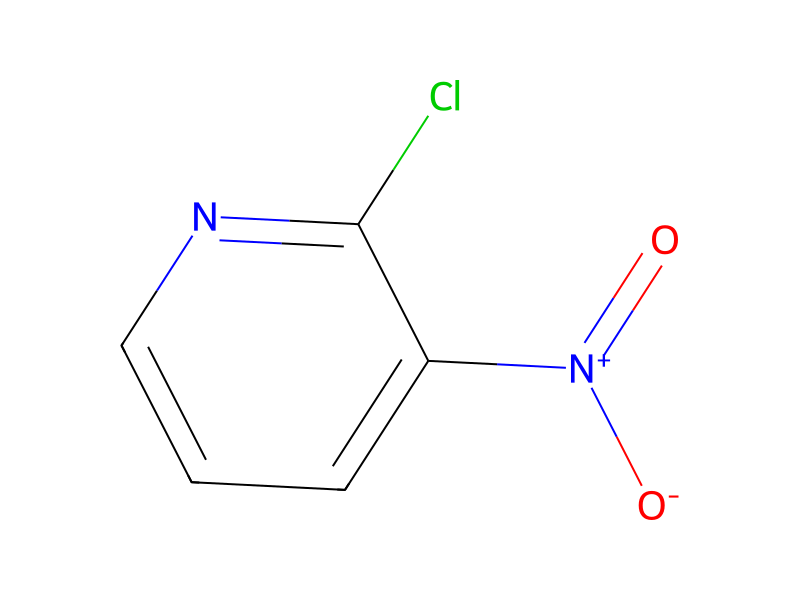
Cl[C:2]1[C:7]([N+:8]([O-:10])=[O:9])=[CH:6][CH:5]=[CH:4][N:3]=1.[NH2:11][C:12]1[CH:13]=[C:14]([NH:18][C:19]([C:21]2[CH:30]=[CH:29][C:28]3[C:23](=[CH:24][CH:25]=[CH:26][CH:27]=3)[CH:22]=2)=[O:20])[CH:15]=[CH:16][CH:17]=1.C(=O)([O-])[O-].[K+].[K+]>O1CCOCC1>[CH:22]1[C:23]2[C:28](=[CH:27][CH:26]=[CH:25][CH:24]=2)[CH:29]=[CH:30][C:21]=1[C:19]([NH:18][C:14]1[CH:13]=[C:12]([NH:11][C:2]2[C:7]([N+:8]([O-:10])=[O:9])=[CH:6][CH:5]=[CH:4][N:3]=2)[CH:17]=[CH:16][CH:15]=1)=[O:20]Participants
5
Reactant 3


Product 1

Reagents, catalysts & solvents 1

Procedure
A mixture of 2-chloro-3-nitropyridine (0.87 g), N-(3-aminophenyl)-2-naphthalenecarboxamide (1.31 g) and potassium carbonate (1.0 g) in 1,4-dioxane (20 ml) was stirred under reflux for 20 hours. After cooling, insoluble materials were removed by filtration and the filtrate was concentrated. The resultant solid was collected and washed with isopropyl ether to give 2-[3-(2-naphthoylamino)phenylamino]-3-nitropyridine (961 mg) as an orange solid.
Workup
- temperatureunder reflux for 20 hours
- temperatureAfter cooling
- custominsoluble materials were removed by filtration
- concentrationthe filtrate was concentrated
- customThe resultant solid was collected
- washwashed with isopropyl ether
Sources & evidence
- ORD record
- ord-bf8772787cee47e883202892f2391193
- Source dataset
- uspto-grants-2002_07
- Patent number
- US06426345B1
Reaction notes
Loading…