Acetic Acid → racemic-7-acetyl-6-hydroxy-3,4-dihydro-2H-1-benzopyran-2-carboxylic acid ethyl ester
Reaction equation

[OH:1][C:2]1[CH:3]=[C:4]2[C:9](=[CH:10][CH:11]=1)[O:8][CH:7]([C:12]([O:14][CH2:15][CH3:16])=[O:13])[CH2:6][CH2:5]2.B(F)(F)F.[C:21](O)(=[O:23])[CH3:22]>>[CH2:15]([O:14][C:12]([CH:7]1[CH2:6][CH2:5][C:4]2[CH:3]=[C:2]([OH:1])[C:11]([C:21](=[O:23])[CH3:22])=[CH:10][C:9]=2[O:8]1)=[O:13])[CH3:16]Participants

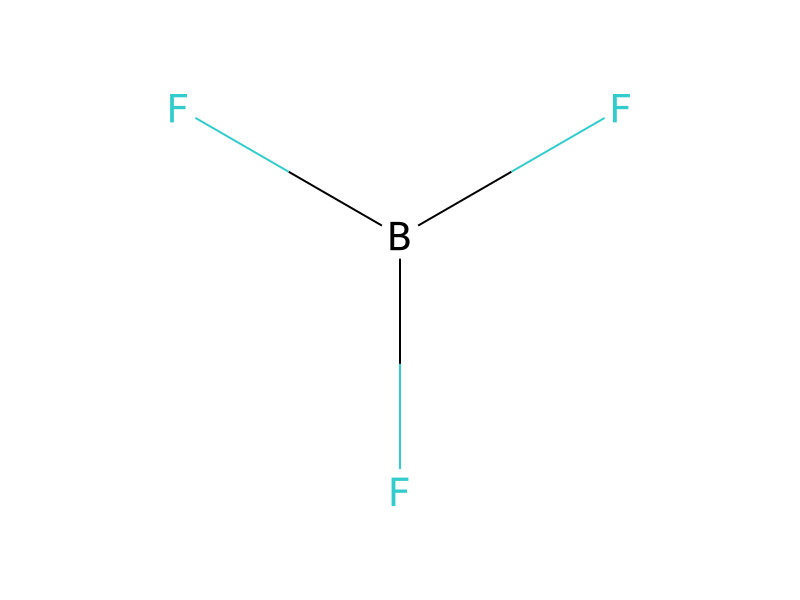


Conditions
- Temperature
- 80 °C
Procedure
Into a solution of 2.23 g of racemic-ethyl 6-hydroxychroman-2-carboxylate in 30 ml of acetic acid was introduced a stream of boron trifluoride gas at 20°-25° C. A cold water bath was used during the introduction of the gas (30-45 minutes) to control the temperature of the exothermic reaction. The cold bath was removed and the reaction mixture was heated at 80° C. for 5 hours; then the reaction mixture was cooled and carefully poured into a mixture of saturated bicarbonate and ice, and the product was extracted with 1:1 tetrahydrofuran-ether. The crude material obtained after evaporation of the solvent was chromatographed on a silica gel column to yield 1.6 g (60%) of racemic-7-acetyl-6-hydroxy-3,4-dihydro-2H-1-benzopyran-2-carboxylic acid ethyl ester as a viscous oil.
Workup
- customA cold water bath was used during the introduction of the gas (30-45 minutes)
- customthe temperature of the exothermic reaction
- customThe cold bath was removed
- temperaturethen the reaction mixture was cooled
- additioncarefully poured into a mixture of saturated bicarbonate and ice
- extractionthe product was extracted with 1:1 tetrahydrofuran-ether
- customThe crude material obtained
- customafter evaporation of the solvent
- customwas chromatographed on a silica gel column
Sources & evidence
- ORD record
- ord-2be98b5bb61341ca98a4913c27c11e9b
- Source dataset
- uspto-grants-1988_11
- Patent number
- US04785017
Reaction notes
Loading…