Hydrogen Cyanide → 1-Naphthalenecarbonitrile, 3,4-dihydro-6-methoxy-
Reaction equation

[CH3:1][O:2][C:3]1[CH:4]=[C:5]2[C:10](=[CH:11][CH:12]=1)[C:9](=O)[CH2:8][CH2:7][CH2:6]2.[CH:14]#[N:15].[Cl-].[Al+3].[Cl-].[Cl-]>[N+](C1C=CC=CC=1)([O-])=O>[CH3:1][O:2][C:3]1[CH:4]=[C:5]2[C:10](=[CH:11][CH:12]=1)[C:9]([C:14]#[N:15])=[CH:8][CH2:7][CH2:6]2Participants
5
Reactant 3
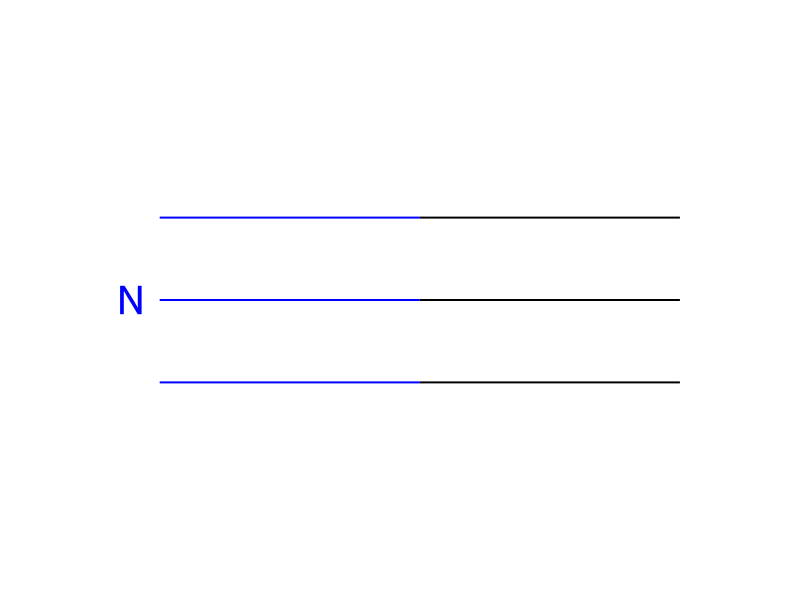
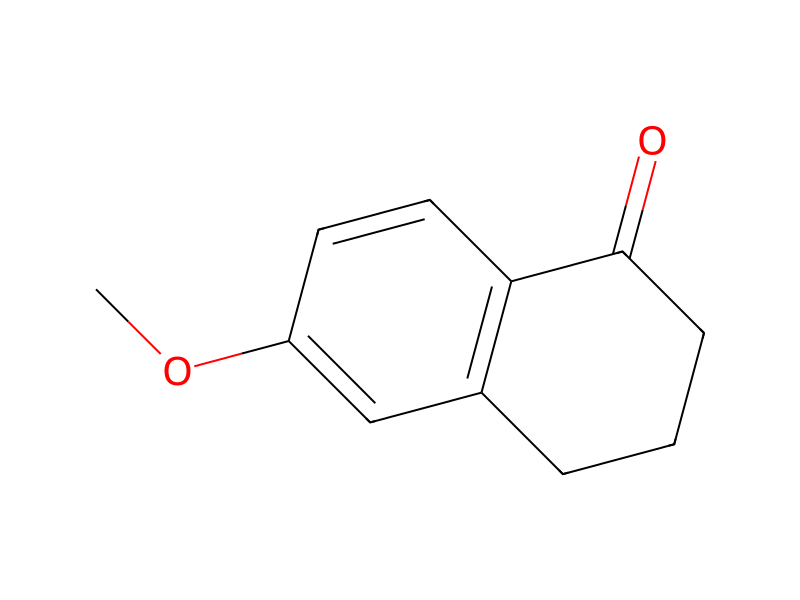

Product 1

Reagents, catalysts & solvents 1

Procedure
A process which comprises (1) cyanating 6-methoxy-tetralone by reacting it with hydrogen cyanide and aluminum chloride in nitrobenzene at about 60°-120° C. so as to form 6-methoxy-1-cyano-3,4-dihydronaphthalene, (2) intimately mixing the resultant solution with an aqueous solution of sodium hydroxide or potassium hydroxide in the presence of a phase transfer agent at about 15°-100° C. as as to aromatize the 6-methoxy-1-cyano-3,4-dihydronaphthalene, and (3) brominating the resultant 6-methoxy-1-cyanonaphthalene while still in nitrobenzene so as to form 6-methoxy-5-bromo-1-cyanonaphthalene.
Workup
- customat about 60°-120° C.
Sources & evidence
- ORD record
- ord-fb45e6ea4e1c4a19b8120a419417004a
- Source dataset
- uspto-grants-1988_11
- Patent number
- US04785131
Reaction notes
Loading…