Ammonia → HCID 68679112, compound
Reaction equation

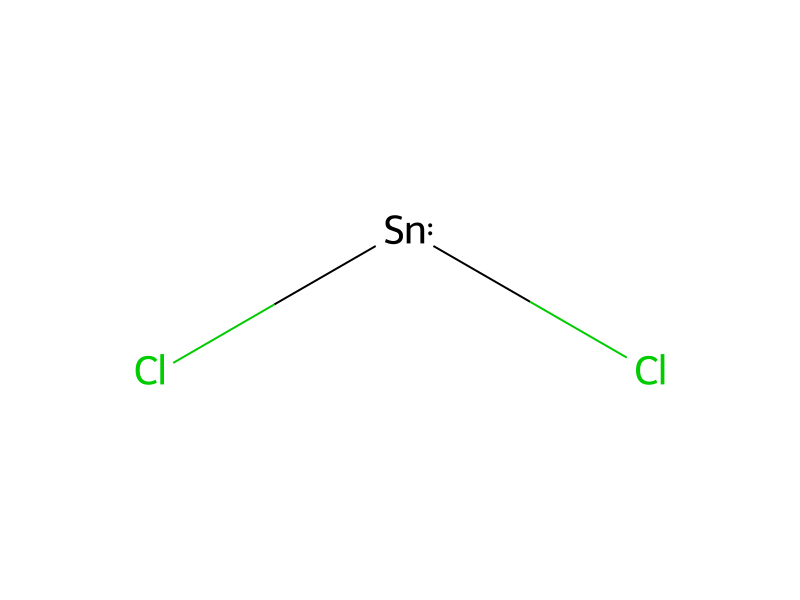
[C:1]([NH:9][C:10]1[CH:15]=[CH:14][C:13]([N+:16]([O-])=O)=[CH:12][C:11]=1[O:19][CH3:20])(=[O:8])[C:2]1[CH:7]=[CH:6][CH:5]=[CH:4][CH:3]=1.[Sn](Cl)[Cl:22].N>C(OCC)(=O)C>[ClH:22].[C:1]([NH:9][C:10]1[CH:15]=[CH:14][C:13]([NH2:16])=[CH:12][C:11]=1[O:19][CH3:20])(=[O:8])[C:2]1[CH:3]=[CH:4][CH:5]=[CH:6][CH:7]=1Participants
Reactant 3


Product 1

Reagents, catalysts & solvents 1

Procedure
A mixture of N-benzoyl 2-methoxy-4-nitroaniline (2.63 g, 9.66 mmol) and tin (II) chloride (10.9 g, 48.3 .mmol) were heated in ethyl acetate (200 ml) at reflux for 4 hours under an inert atmosphere. The reaction was allowed to cool to ambient temperature and concentrated aqueous ammonia (20 ml) was added. The reaction was filtered, the solid material was washed with ethyl acetate (3×30 ml) and then the combined organic layers were evaporated in vacuo. The orange solid was dissolved in ethyl acetate (45 ml) and a 1.0 N solution of hydrogen chloride in diethyl ether (25 ml) was added, causing precipitation of a white solid. Recrystallisation of this solid from methanol/ethyl acetate, yielded N-benzoyl 2-methoxy-4-aminoaniline hydrochloride (1.06 g, 39% yield) as a white crystalline solid:
Workup
- temperatureat reflux for 4 hours under an inert atmosphere
- filtrationThe reaction was filtered
- washthe solid material was washed with ethyl acetate (3×30 ml)
- customthe combined organic layers were evaporated in vacuo
- dissolutionThe orange solid was dissolved in ethyl acetate (45 ml)
- additiona 1.0 N solution of hydrogen chloride in diethyl ether (25 ml) was added
- customprecipitation of a white solid
- customRecrystallisation of this solid from methanol/ethyl acetate
Sources & evidence
- ORD record
- ord-289d2ab88c8243a2ae67128e95c434e3
- Source dataset
- uspto-grants-2010_05
- Patent number
- US07709479B1
Reaction notes
Loading…