Cyclohexylamine → 5-Chloro-N-cyclohexylpentanamide
Reaction equation

[CH:1]1([NH2:7])[CH2:6][CH2:5][CH2:4][CH2:3][CH2:2]1.[Cl:8][CH2:9][CH2:10][CH2:11][CH2:12][C:13](Cl)=[O:14]>ClCCl>[CH:1]1([NH:7][C:13](=[O:14])[CH2:12][CH2:11][CH2:10][CH2:9][Cl:8])[CH2:6][CH2:5][CH2:4][CH2:3][CH2:2]1Participants
4
Reactant 2

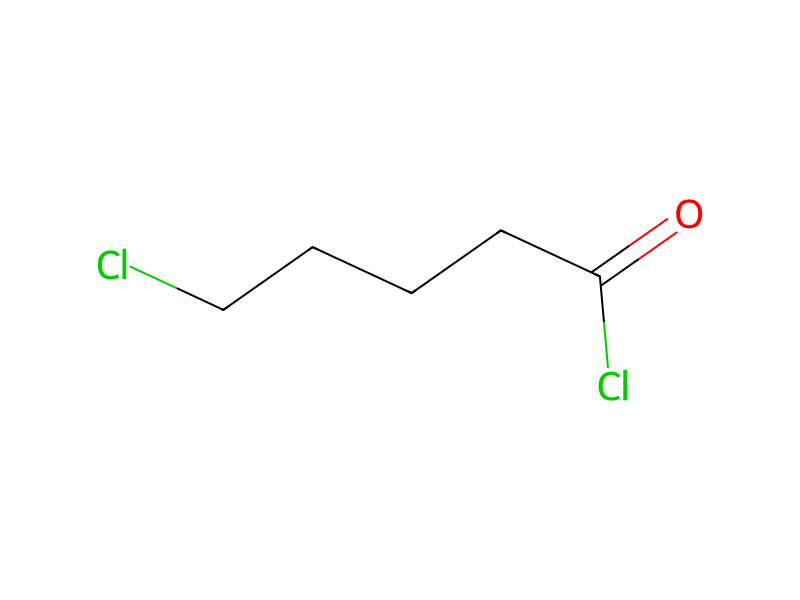
Product 1

Reagents, catalysts & solvents 1

Conditions
- Temperature
- 0 °C
Procedure
Dissolve cyclohexylamine (8.86 mL, 77.5 mmol) in dichloromethane (700 mL), cool to 0° C. and add 5-chloropentanoyl chloride (10 mL, 77.5 mmol). After 6 h, wash the mixture with 1N HCl and saturated aqueous sodium bicarbonate and brine, dry the organic layer over sodium sulfate and evaporate to a white solid to obtain 5-chloro-pentanoic acid cyclohexylamide: MS (EI) m/z=217 (M+).
Workup
- washwash the mixture with 1N HCl and saturated aqueous sodium bicarbonate and brine
- dry with materialdry the organic layer over sodium sulfate
- customevaporate to a white solid
Sources & evidence
- ORD record
- ord-078c6d8343cb49738fb84e11503d4461
- Source dataset
- uspto-grants-2010_05
- Patent number
- US07713979B2
Reaction notes
Loading…