Acetic Acid → 4-Dipropylamino-3-methyl-1,3-dihydroimidazo[4,5-c]pyridin-2-one
Reaction equation

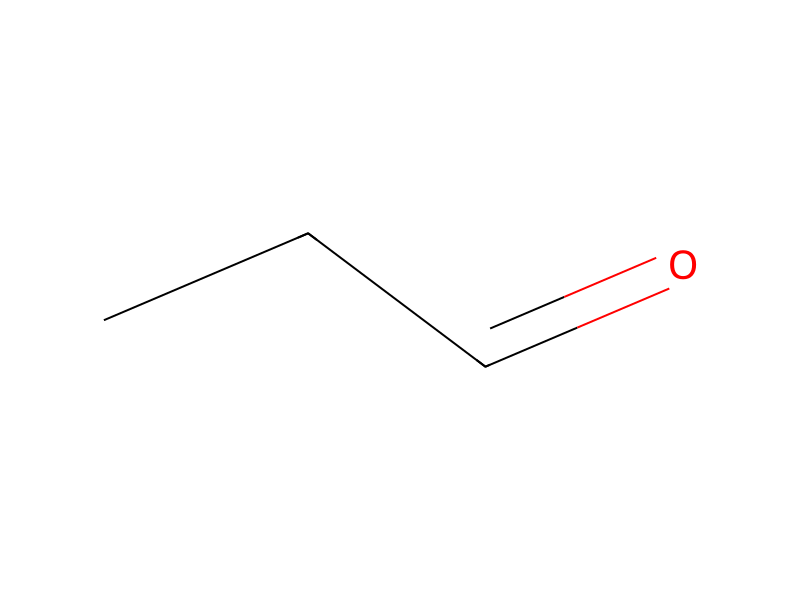
[NH2:1][C:2]1[C:7]2[N:8]([CH3:12])[C:9](=[O:11])[NH:10][C:6]=2[CH:5]=[CH:4][N:3]=1.[CH:13](=O)[CH2:14][CH3:15].[C:17](O)(=O)[CH3:18].[C:21](O[BH-](OC(=O)C)OC(=O)C)(=O)C.[Na+]>ClC(Cl)C.ClCCl.O>[CH2:13]([N:1]([CH2:21][CH2:17][CH3:18])[C:2]1[C:7]2[N:8]([CH3:12])[C:9](=[O:11])[NH:10][C:6]=2[CH:5]=[CH:4][N:3]=1)[CH2:14][CH3:15]Participants
8
Reactant 4



Product 1

Reagents, catalysts & solvents 3



Conditions
- Temperature
- 45 °C
Procedure
To a slurry of 750 mg (4.57 mmol) of 4-amino-3-methyl-1,3-dihydroimidazo[4,5-c]pyridin-2-one in 15 mL of dichloroethane was added 3.30 mL (45.7 mmol) of propionaldehyde, 1.0 mL of acetic acid, and 2.90 g (13.7 mmol) of sodium triacetoxyborohydride and the reaction was heated at 45° C. for 7.5 h. The reaction was diluted with 15 mL of dichloromethane and 15 mL of water and the aqueous layer was extracted with 15 mL of dichloromethane. The combined organic layers were dried over sodium sulfate, filtered, and concentrated in vacuo. The residue thus obtained (0.91 g, 80%) was used in the next reaction without further purification.
Workup
- extractionthe aqueous layer was extracted with 15 mL of dichloromethane
- dry with materialThe combined organic layers were dried over sodium sulfate
- filtrationfiltered
- concentrationconcentrated in vacuo
- customThe residue thus obtained (0.91 g, 80%)
- customwas used in the next reaction without further purification
Sources & evidence
- ORD record
- ord-cb882491b8b74f21b97e073eb064ba82
- Source dataset
- uspto-grants-2010_05
- Patent number
- US07714009B2
Reaction notes
Loading…