Acetic Acid → (2-chloro-5,5-dioxo-6,7-dihydro-5H-5lambda6-thieno[3,2-d]pyrimidin-4-yl)propylamine
Reaction equation

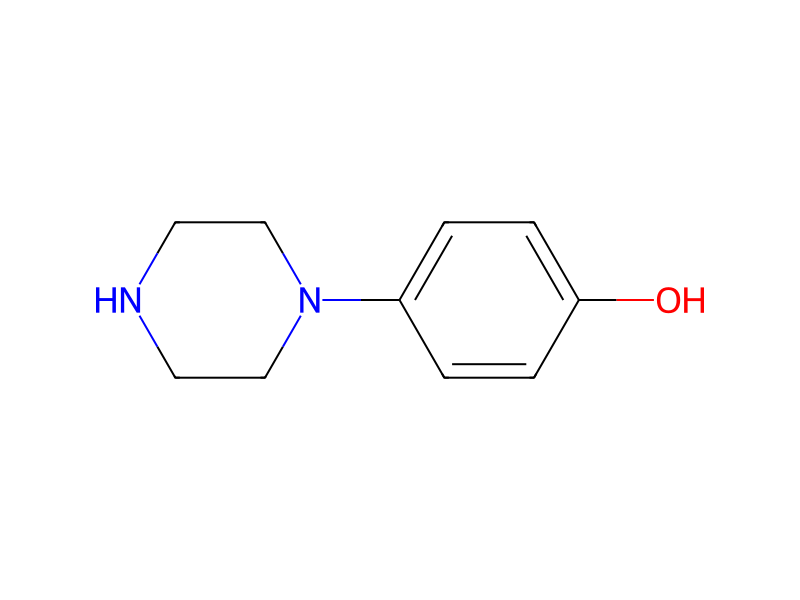
[N:1]1([C:7]2C=CC(O)=[CH:9][CH:8]=2)CCNCC1.C(O)(=[O:16])C.[Cl:18][C:19]1[N:20]=[C:21](NC2C=C(C=CC=2)C(O)=O)[C:22]2[S:27][CH2:26][CH2:25][C:23]=2[N:24]=1.[OH2:38]>>[Cl:18][C:19]1[N:20]=[C:21]([CH2:9][CH2:8][CH2:7][NH2:1])[C:22]2[S:27](=[O:16])(=[O:38])[CH2:26][CH2:25][C:23]=2[N:24]=1Participants
5




Conditions
- Temperature
- 180 °C
Procedure
1.70 g (9.54 mmol) of 4-piperazin-1-ylphenol is placed in 0.55 mL (9.62 mmol) of glacial acetic acid and heated to 180° C. in the heating block. 0.800 g (3.73 mmol) of 2-ethylsulfanyl-6,7-dihydrothieno[3,2-d]pyrimidin-4-ol (I) is added, then the mixture is left to stand for 1.5 hours at 180° C. and 16 hours at ambient temperature. Then the reaction mixture is combined with water and treated in the ultrasound bath. The precipitate is suction filtered, washed, and dried. 1.1 g of product II is obtained as a powder.
Workup
- waitthe mixture is left
- additiontreated in the ultrasound bath
- filtrationfiltered
- washwashed
- customdried
Sources & evidence
- ORD record
- ord-38c4caaae92540fd9d567e764fad034d
- Source dataset
- uspto-grants-2010_05
- Patent number
- US07723341B2
Reaction notes
Loading…