Hydrochloric Acid → HCID 12891348, compound
Reaction equation

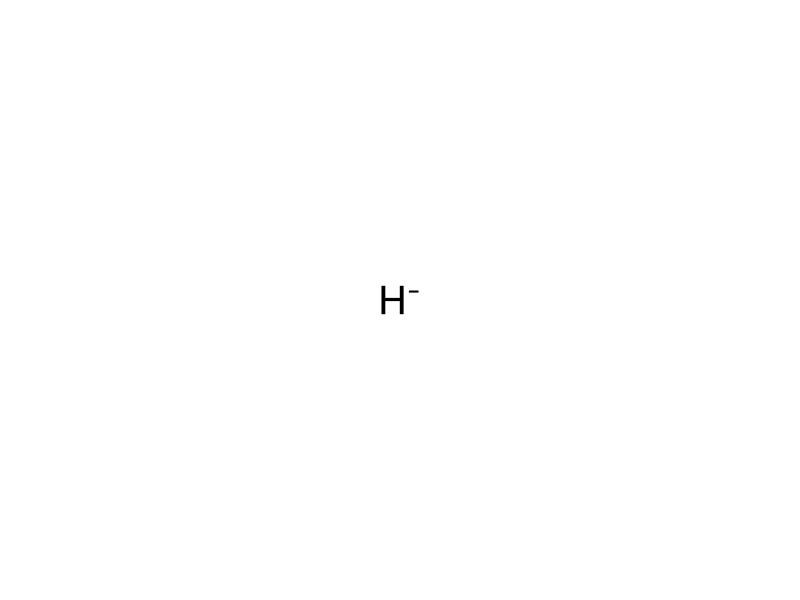
[H-].COCCO[Al+]OCCOC.[Na+].[H-].[CH3:15][NH:16][C:17]([C:19]1([C:25]2[CH:30]=[CH:29][CH:28]=[CH:27][CH:26]=2)[CH2:21][CH:20]1[C:22](N)=O)=O.[H-].[OH-].[Na+].[ClH:34]>C1C=CC=CC=1.O.C(O)C.CCOCC>[ClH:34].[CH3:15][N:16]1[CH2:22][CH:20]2[C:19]([C:25]3[CH:30]=[CH:29][CH:28]=[CH:27][CH:26]=3)([CH2:21]2)[CH2:17]1Participants
Reactant 5




Product 1

Reagents, catalysts & solvents 4




Procedure
To a stirred solution of 30 ml of sodium bis(2-methoxyethoxy)aluminum hydride (70% benzene solution) is added dropwise a solution of 5.5 g of N-methyl-1-phenyl-1,2-cyclopropanedicarboxamide (U.S. Pat. No. 3,166,571-Ex. 1) in 400 ml of benzene over a one hour period at room temperature under nitrogen. The mixture is heated at reflux under nitrogen for 90 minutes. The excess hydride reagent is decomposed by the cautious addition of 25 ml of 10 N sodium hydroxide and then diluted to 200 ml with water. The benzene phase is separated and the aqueous phase is extracted with chloroform. The combined organic phases are dried over magnesium sulfate and concentrated under reduced pressure giving a liquid. The liquid is dissolved in ethanol and acidified with 15 ml of 2.3 N ethanolic hydrogen chloride. The addition of ether causes the formation of a solid which is recrystallized from isopropyl alcohol-hexane giving white crystals, m.p. 158°-160° C.
Workup
- temperatureThe mixture is heated
- temperatureat reflux under nitrogen for 90 minutes
- customThe benzene phase is separated
- extractionthe aqueous phase is extracted with chloroform
- dry with materialThe combined organic phases are dried over magnesium sulfate
- concentrationconcentrated under reduced pressure
- customgiving a liquid
- customis recrystallized from isopropyl alcohol-hexane giving white crystals, m.p. 158°-160° C.
Sources & evidence
- ORD record
- ord-7b40966cc8e44493966858f510ab0285
- Source dataset
- uspto-grants-1980_11
- Patent number
- US04231935
Reaction notes
Loading…