Dichloromethane → Ethyl 3-(3-methyl-4-nitrophenyl)-3-oxopropanoate
Reaction equation

ClCCl.C[C:5]1([CH3:13])[O:10][C:9](=[O:11])[CH2:8][C:7](=[O:12])O1.CN(C1C=CC=CN=1)C.[CH3:23][C:24]1[CH:25]=[C:26]([CH:30]=[CH:31][C:32]=1[N+:33]([O-:35])=[O:34])C(Cl)=O>C(O)C>[CH3:23][C:24]1[CH:25]=[C:26]([C:7](=[O:12])[CH2:8][C:9]([O:10][CH2:5][CH3:13])=[O:11])[CH:30]=[CH:31][C:32]=1[N+:33]([O-:35])=[O:34]Participants





Procedure
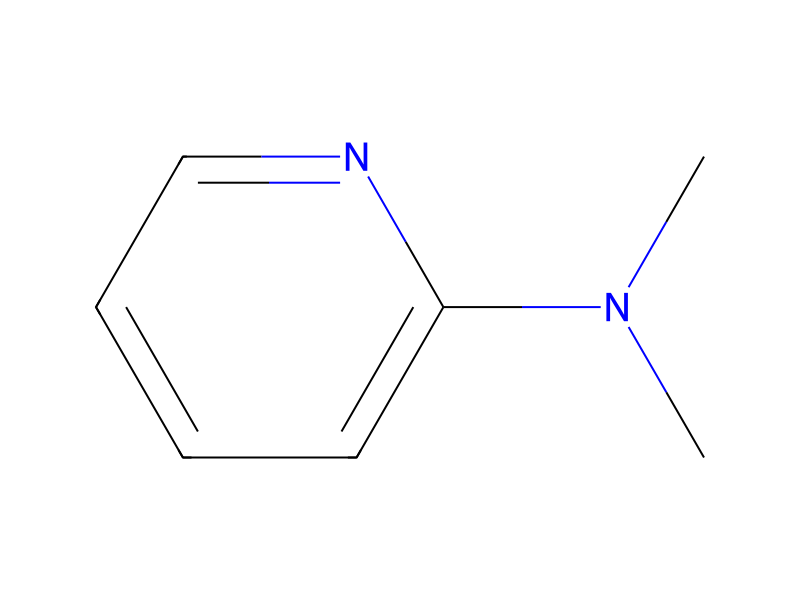
To a dichloromethane solution of 2,2-dimethyl-1,3-dioxane-4,6-dione (10 g) and dimethylaminopyridine (17 g), a dichloromethane solution of 3-methyl-4-nitro-benzoyl chloride (14 g) was added dropwise under ice cooling. After stirring at room temperature for 3 hours and then adding 100 ml of ethanol, the mixture was refluxed for 2 hours. After cooling, the solvent was distilled off under the reduced pressure. The residue was dissolved in ethyl acetate and washed with 1N aqueous solution of hydrochloric acid. After drying the organic layer with sodium sulfate, the solvent was distilled off and the obtained residue was purified by silica gel column chromatography to obtain ethyl 3-(3-methyl-4-nitro-phenyl)-3-oxo-propionate (12.4 g). mp; 207-211° C.
Workup
- temperaturethe mixture was refluxed for 2 hours
- temperatureAfter cooling
- distillationthe solvent was distilled off under the reduced pressure
- dissolutionThe residue was dissolved in ethyl acetate
- washwashed with 1N aqueous solution of hydrochloric acid
- dry with materialAfter drying the organic layer with sodium sulfate
- distillationthe solvent was distilled off
- customthe obtained residue was purified by silica gel column chromatography
Sources & evidence
- ORD record
- ord-a70c6be62c474989ab8dc480f86ef94a
- Source dataset
- uspto-grants-2010_03
- Patent number
- US07674807B2
Reaction notes
Loading…