Water → HCID 59211318, compound
Reaction equation

[N+]([CH:4](C1C=CC=CC=1)[C:5](NC1C=CC=CC=1)=[O:6])([O-])=O.[OH:20][C:21]1[CH:22]=[C:23]([NH:27][C:28](=O)[CH2:29][C:30]2[CH:35]=[CH:34][C:33]([N+:36]([O-:38])=[O:37])=[CH:32][CH:31]=2)[CH:24]=[CH:25][CH:26]=1.B.O>O1CCCC1>[N+:36]([C:33]1[CH:34]=[CH:35][C:30]([CH2:29][CH2:28][N:27]([C:23]2[CH:24]=[CH:25][CH:26]=[C:21]([OH:20])[CH:22]=2)[C:5](=[O:6])[CH3:4])=[CH:31][CH:32]=1)([O-:38])=[O:37]Participants
6
Reactant 4

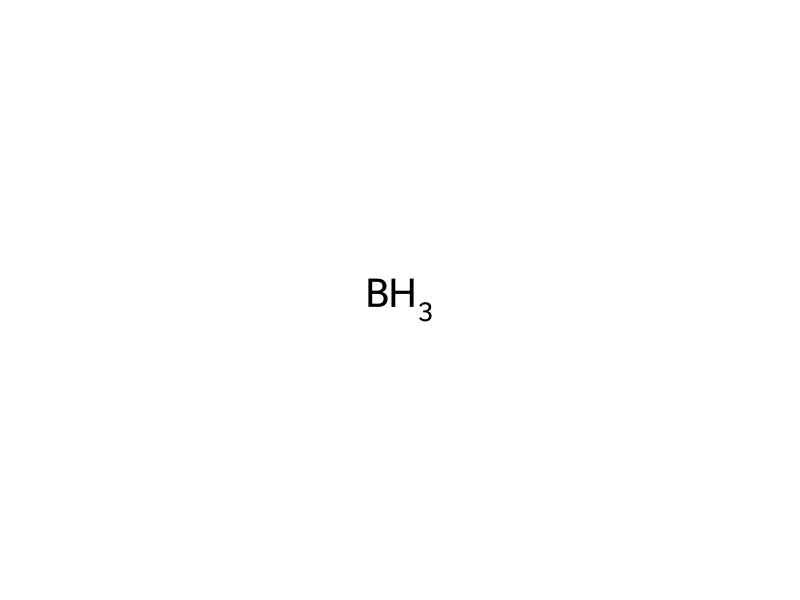


Product 1

Reagents, catalysts & solvents 1

Procedure
10 g (0.4 mol) of the nitrophenylacetanilide prepared in 1a) was placed in a flask and borane in tetrahydrofuran (THF) (1 M, 250 ml) was added carefully. The resulting solution was heated under reflux and water (12 ml) in THF (100 ml) was added dropwise over 1 hour. A further 50 ml of water was added and the mixture was heated for 15 mins. The THF was evaporated under reduced pressure and methanol (100 ml) was added to dissolve the oil. Thin layer chromatography (tlc)(silica H, 20% methanol in chloroform) gave a Rf much higher than the starting acetanilide.
Workup
- customwas placed in a flask
- temperatureThe resulting solution was heated
- temperatureunder reflux
- temperaturethe mixture was heated for 15 mins
- customThe THF was evaporated under reduced pressure and methanol (100 ml)
- additionwas added
- dissolutionto dissolve the oil
Sources & evidence
- ORD record
- ord-d911150bfcec4ab2a208b285ea9e841a
- Source dataset
- uspto-grants-2010_03
- Patent number
- US07674918B2
Reaction notes
Loading…