Hydrochloric Acid → 1-(6-Chloropyridin-3-yl)cyclopropane-1-carboxylic acid
Reaction equation

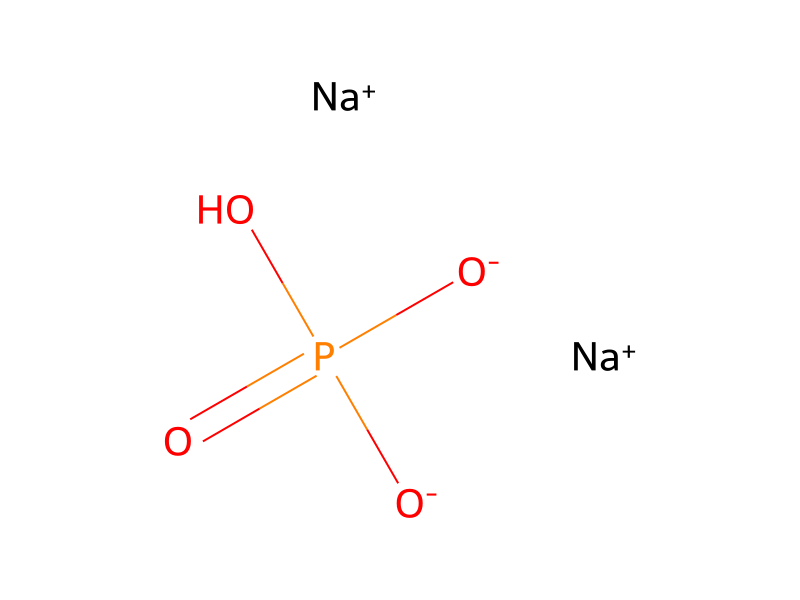
Cl[C:2]1[N:7]=[CH:6][C:5]([C:8]2([C:11]#N)[CH2:10][CH2:9]2)=[CH:4][CH:3]=1.[OH-:13].[Na+].P([O-])([O-])(O)=[O:16].[Na+].[Na+].[ClH:22]>C(O)C>[Cl:22][C:2]1[N:7]=[CH:6][C:5]([C:8]2([C:11]([OH:16])=[O:13])[CH2:10][CH2:9]2)=[CH:4][CH:3]=1Participants
6





Conditions
- Temperature
- 100 °C
Procedure
To a room temperature solution of 1-(6-chloropyridin-3-yl)cyclopropanecarbonitrile from Step 3 (5.3 g) in ethyl alcohol (60 mL) was added a solution of 30 mL of sodium hydroxide (25% NaOH w/w in water). The mixture was heated at 100° C. for 8 hours. It was cooled to room temperature and poured into saturated aqueous disodium hydrogen phosphate (at 0° C.) and an adjusted pH at 4 with hydrogen chloride (1 N). The mixture was extracted with dichloromethane (2×100 mL) and the combined extracts were washed with brine, dried with magnesium sulfate and the solvent was removed in vacuo. The residue was purified by swish using diethyl ether and hexanes to yield the title compound.
Workup
- temperatureIt was cooled to room temperature
- extractionThe mixture was extracted with dichloromethane (2×100 mL)
- washthe combined extracts were washed with brine
- dry with materialdried with magnesium sulfate
- customthe solvent was removed in vacuo
- customThe residue was purified
Sources & evidence
- ORD record
- ord-c929beb9d5ec454fabac4672b0b5ccb5
- Source dataset
- uspto-grants-2010_03
- Patent number
- US07687524B2
Reaction notes
Loading…