Dimethylamine → (3-(Dimethylamino)propyl)triphenylphosphonium bromide hydrobromide
Reaction equation

[Br-:1].[Br:2][CH2:3][CH2:4][CH2:5][P+:6]([C:19]1[CH:24]=[CH:23][CH:22]=[CH:21][CH:20]=1)([C:13]1[CH:18]=[CH:17][CH:16]=[CH:15][CH:14]=1)[C:7]1[CH:12]=[CH:11][CH:10]=[CH:9][CH:8]=1.[CH3:25][NH:26][CH3:27]>C(O)C>[BrH:2].[Br-:1].[CH3:25][N:26]([CH2:3][CH2:4][CH2:5][P+:6]([C:19]1[CH:24]=[CH:23][CH:22]=[CH:21][CH:20]=1)([C:13]1[CH:18]=[CH:17][CH:16]=[CH:15][CH:14]=1)[C:7]1[CH:12]=[CH:11][CH:10]=[CH:9][CH:8]=1)[CH3:27]Participants
4
Reactant 2
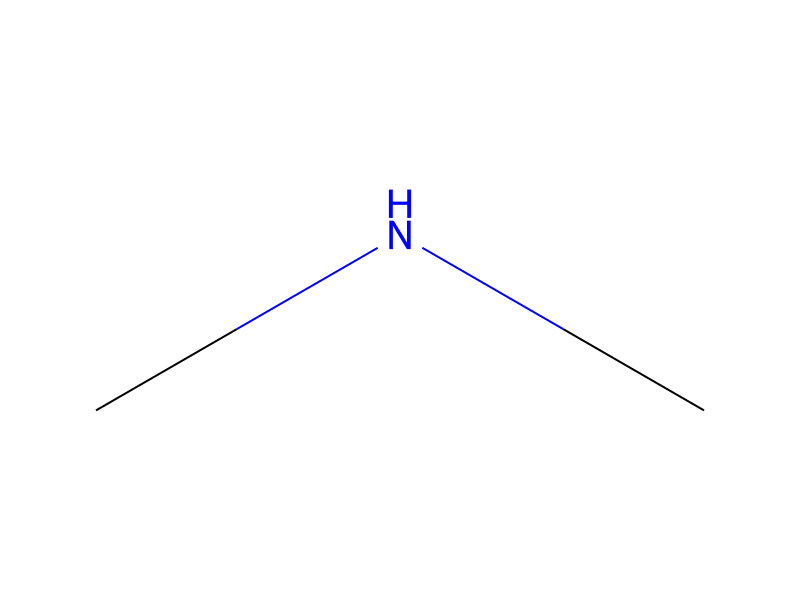

Product 1

Reagents, catalysts & solvents 1

Procedure
According to the teachings in EP 0235795, a suspension of 3-bromopropyltriphenylphosphonium bromide (Olo-IM4) in ethanol was reacted with 13.5 equivalents of an aqueous dimethylamine solution (50%) to provide dimethylaminopropyltriphenylphosphonium bromide HBr. After this reaction, the solvent was distilled off and the residue was recrystallized (yield: 59%).
Sources & evidence
- ORD record
- ord-9fba7a1b23e84769b52eb4af9364dcfe
- Source dataset
- uspto-grants-2010_03
- Patent number
- US07687646B2
Reaction notes
Loading…