Nitric Acid → HCID 20490028, compound
Reaction equation

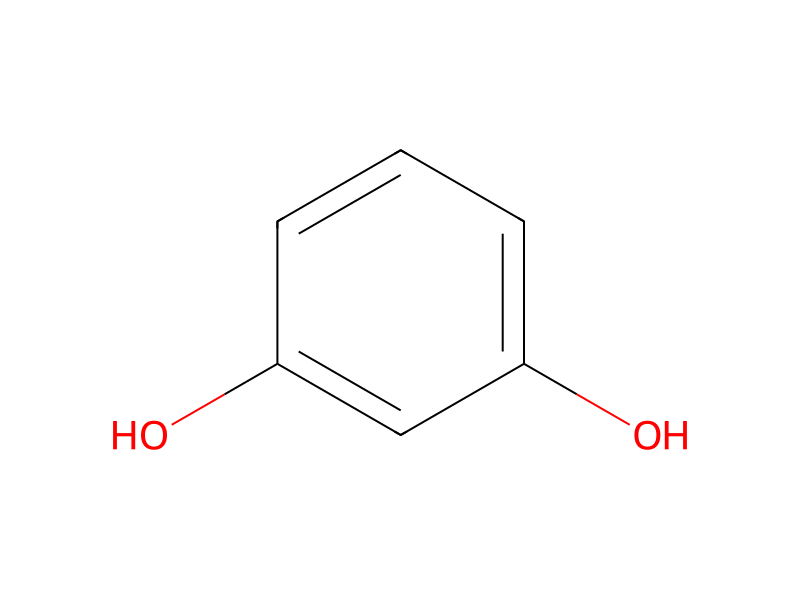
Cl[C:2]1[C:7]([Cl:8])=[CH:6][C:5]([C:9]([F:12])([F:11])[F:10])=[CH:4][N:3]=1.[CH:13]1[CH:18]=[C:17]([OH:19])[CH:16]=[C:15]([OH:20])[CH:14]=1.[N+:21]([O-])([OH:23])=[O:22].S(=O)(=O)(O)O>>[OH:19][C:17]1[CH:16]=[C:15]([CH:14]=[CH:13][C:18]=1[N+:21]([O-:23])=[O:22])[O:20][C:2]1[C:7]([Cl:8])=[CH:6][C:5]([C:9]([F:12])([F:11])[F:10])=[CH:4][N:3]=1Participants




Procedure
2,3-Dichloro-5-trifluoromethyl pyridine was condensed with resorcine and the product was nitrated with a mixed acid of nitric acid and sulfuric acid to obtain 2-(3-hydroxy-4-nitrophenoxy)-3-chloro-5-trifluoromethyl pyridine. In 10 ml of methyl ethyl ketone, 1.67 g of the resulting product and 1.09 g of ethyl 2-bromopropionate were dissolved and then, 1.38 g of anhydrous potassium carbonate was admixed. The mixture was refluxed with stirring for 4 hours. After the reaction, a small amount of water was added to the reaction mixture. The solvent was distilled off and the product was extracted with methylene chloride. The extracted phase was washed with water and dried over anhydrous sodium sulfate. Methylene chloride was distilled off. The resulting oily product was adsorbed in a silica gel column and developed and eluted with toluene to obtain 0.8 g of the object compound (nD15 1.5337).
Sources & evidence
- ORD record
- ord-a4722db737b4444ba0fd58ceac6b5fd1
- Source dataset
- uspto-grants-1980_11
- Patent number
- US04235621
Reaction notes
Loading…