Anisole → p-Methoxyheptanophenone
Reaction equation

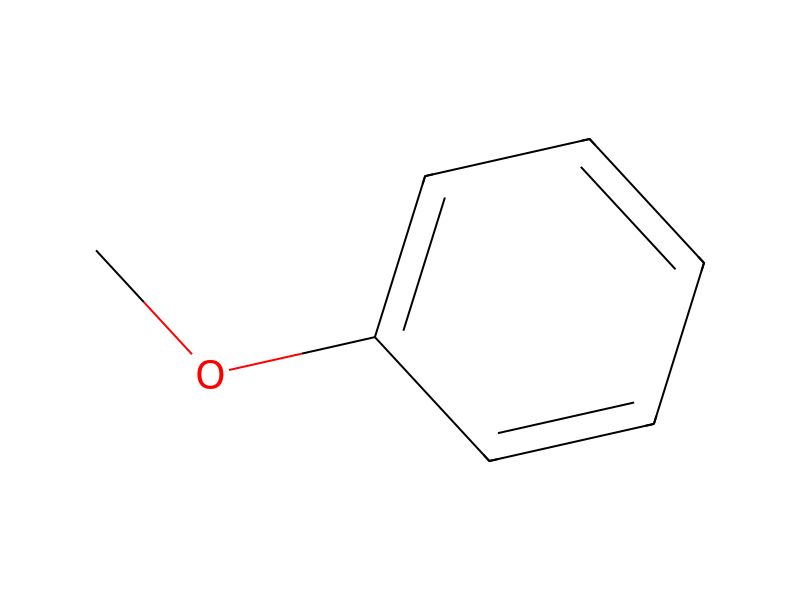
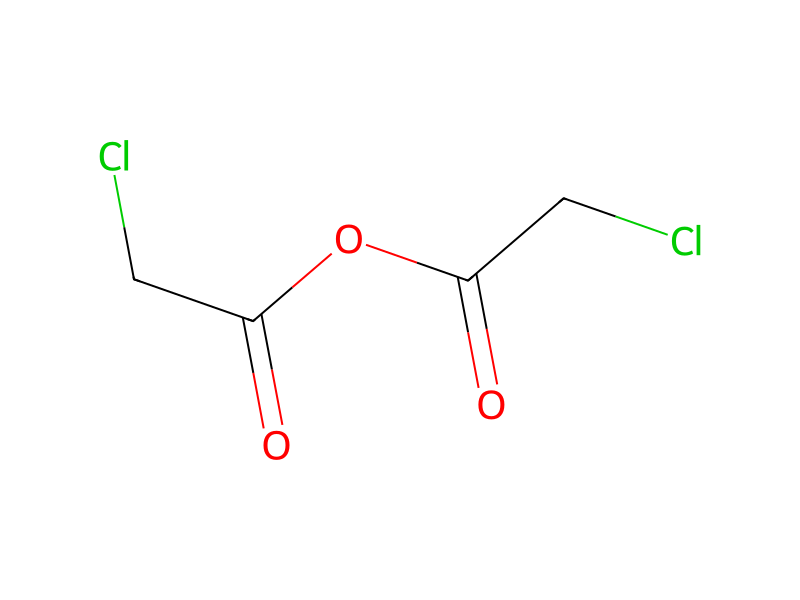
[C:1]([OH:9])(=O)[CH2:2][CH2:3][CH2:4][CH2:5][CH2:6][CH3:7].ClCC(OC(=O)CCl)=O.[C:19]1([O:25][CH3:26])[CH:24]=[CH:23][CH:22]=[CH:21][CH:20]=1>ClC(Cl)C>[CH3:26][O:25][C:19]1[CH:24]=[CH:23][C:22]([C:1](=[O:9])[CH2:2][CH2:3][CH2:4][CH2:5][CH2:6][CH3:7])=[CH:21][CH:20]=1Participants
5
Reactant 3

Product 1

Reagents, catalysts & solvents 1

Procedure
In 40 ml of dichloroethane were dissolved 6.51 g (0.05 mole) of heptanoic acid and 10.26 g (0.06 mole) of monochloroacetic anhydride. To the resulting solution were added 7.57 g (0.07 mole) of anisole and 0.9 g of boron trifluoride-acetic acid complex and the resulting mixture was then stirred at refluxing for 8 hours. After completion of the reaction, the reaction solution was cooled and washed successively with water, 5% aqueous sodium carbonate solution and water. The organic layer was concentrated under reduced pressure to obtain 9.25 g of 4-methoxy-1-heptanoyl-benzene.
Workup
- temperatureat refluxing for 8 hours
- customAfter completion of the reaction
- temperaturethe reaction solution was cooled
- washwashed successively with water, 5% aqueous sodium carbonate solution and water
- concentrationThe organic layer was concentrated under reduced pressure
Sources & evidence
- ORD record
- ord-ae6de4e5ab1e43bfa5e95d14c89e92fa
- Source dataset
- uspto-grants-1993_08
- Patent number
- US05235068
Reaction notes
Loading…