Acetone → Ethyl 2-(hydroxymethyl)-1,3-thiazole-4-carboxylate
Reaction equation

[S:1]1[CH:5]=[C:4]([C:6]([O:8][CH2:9][CH3:10])=[O:7])[N:3]=[C:2]1[C:11](OCC)=[O:12].[BH4-].[Na+].[Cl-].[Ca+2].[Cl-].CC(C)=O>C(O)C>[OH:12][CH2:11][C:2]1[S:1][CH:5]=[C:4]([C:6]([O:8][CH2:9][CH3:10])=[O:7])[N:3]=1Participants





Procedure
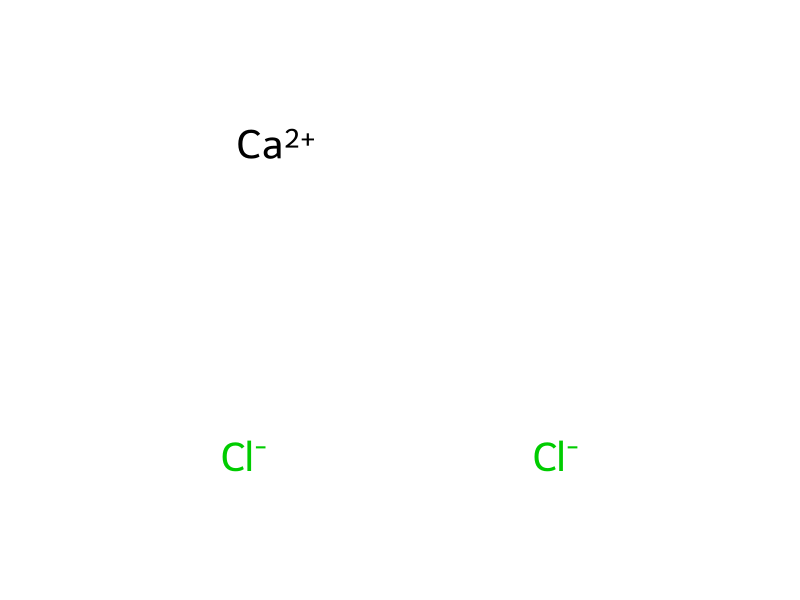
Diethyl thiazole-2,4-dicarboxylate (1.5 g) was suspended in 15 ml of ethanol, and at -10° C., 3 ml of an ethanol solution of 0.16 g of sodium borohydride and 0.58 g of calcium chloride was added. The mixture was stirred at this temperature for 2 hours. Acetone was added to decompose the excess of the reducing agent, and then the solvent was evaporated under reduced pressure. Dilute sulfuric acid was added to the residue, and insoluble calcium sulfate was separated by filtration. The filtrate was adjusted to pH 10 with an aqueous solution of potassium carbonate, and then extracted with chloroform. The chloroform layer was dried over anhydrous magnesium sulfate, and then further concentrated under reduced pressure. The residue was treated with isopropyl ether to give 0.78 g (yield 64%) of ethyl 2-hydroxymethylthiazole-4-carboxylate as a colorless crystalline powder.
Workup
- customthe solvent was evaporated under reduced pressure
- additionDilute sulfuric acid was added to the residue, and insoluble calcium sulfate
- customwas separated by filtration
- extractionextracted with chloroform
- dry with materialThe chloroform layer was dried over anhydrous magnesium sulfate
- concentrationfurther concentrated under reduced pressure
- additionThe residue was treated with isopropyl ether
Sources & evidence
- ORD record
- ord-7c03c46cdad74fa386bd59cf50ec33c9
- Source dataset
- uspto-grants-1993_08
- Patent number
- US05234946
Reaction notes
Loading…