Diisopropylamine → HCID 15059437, compound
Reaction equation

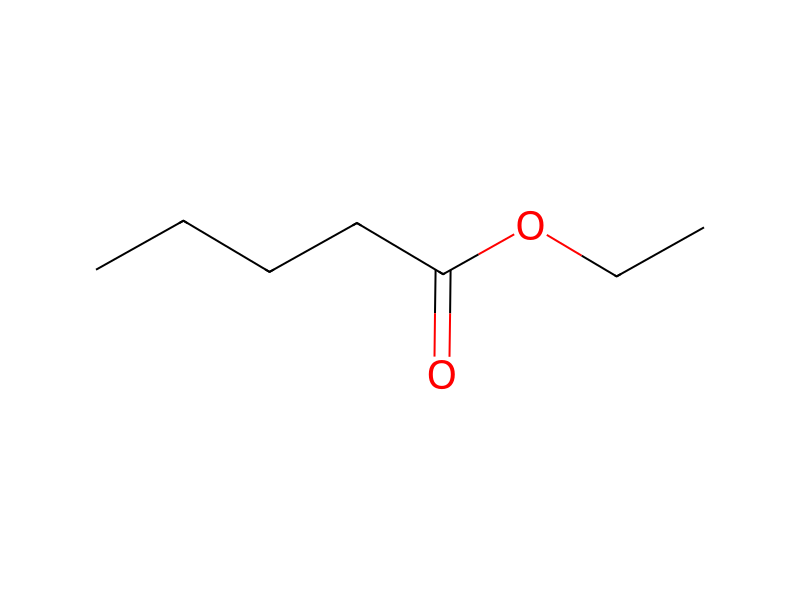
C(NC(C)C)(C)C.C([Li])CCC.[C:13]([O:19][CH2:20][CH3:21])(=[O:18])[CH2:14][CH2:15][CH2:16][CH3:17].[CH3:22][O:23][C:24]1[CH:29]=[C:28]([O:30][CH3:31])[N:27]=[C:26](S(C)(=O)=O)[N:25]=1>O1CCCC1.CCCCCC>[CH3:22][O:23][C:24]1[CH:29]=[C:28]([O:30][CH3:31])[N:27]=[C:26]([CH:14]([CH2:15][CH2:16][CH3:17])[C:13]([O:19][CH2:20][CH3:21])=[O:18])[N:25]=1Participants






Procedure
4,2 g (30 mmol) Diisopropylamine in 100 ml tetrahydrofuran, under nitrogen at -78° C., was treated with 19 ml (30 mmol) 1.6M butyllithium in hexane. The mixture was stirred for 30 minutes and then at -60° C., a solution of 3.5 g (27 mmol) ethyl pentanoate, dissolved in 20 ml tetrahydrofuran, was added dropwise. The mixture was stirred for a further hour and 5.9 g (27 mmol) 4,6-dimethoxy-2-methylsulphonylpyrimidine was added, portionwise. The temperature of the mixture rose over 2 hours to +10° C. The reaction mixture was then washed with saturated aqueous ammonium chloride and sodium chloride. The aqueous phase was extracted with ethyl acetate. The organic phases were dried over magnesium sulphate and concentrated. The resulting yellow oil was finally purified on silica gel using a hexane/ethyl acetate mixture (0 to 20% ethyl acetate).
Workup
- additionwas added dropwise
- stirringThe mixture was stirred for a further hour
- washThe reaction mixture was then washed with saturated aqueous ammonium chloride and sodium chloride
- extractionThe aqueous phase was extracted with ethyl acetate
- dry with materialThe organic phases were dried over magnesium sulphate
- concentrationconcentrated
- customThe resulting yellow oil was finally purified on silica gel using a hexane/ethyl acetate mixture (0 to 20% ethyl acetate)
Sources & evidence
- ORD record
- ord-109bd8036164464c953e73182886ef06
- Source dataset
- uspto-grants-1993_08
- Patent number
- US05238907
Reaction notes
Loading…