L-Glutamine → Boc-L-Valine
Reaction equation

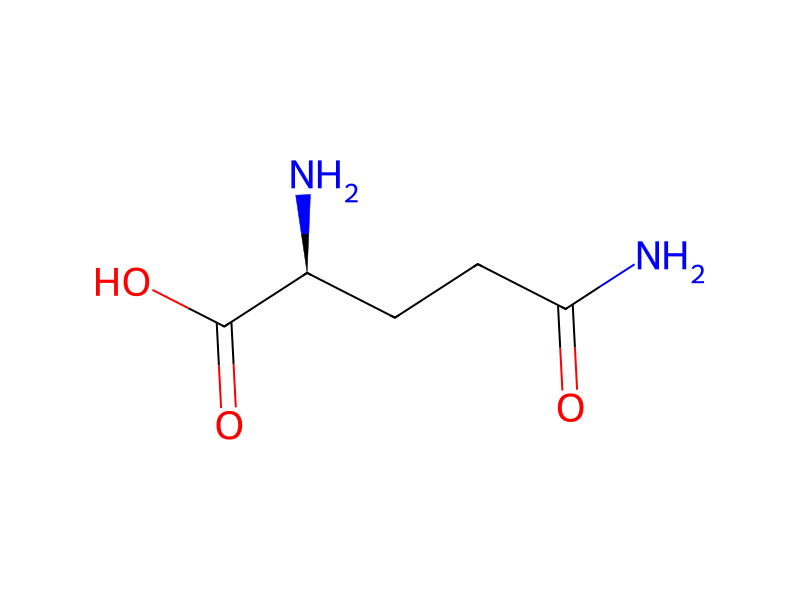
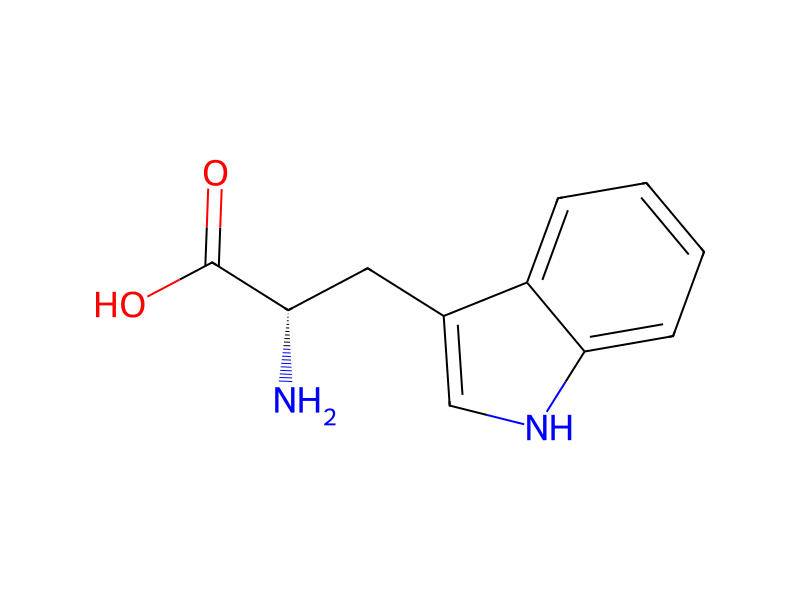
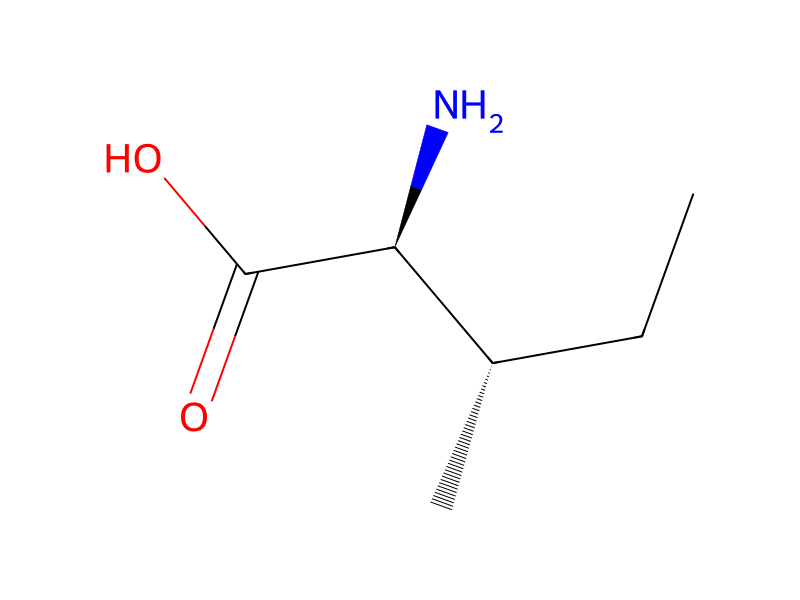
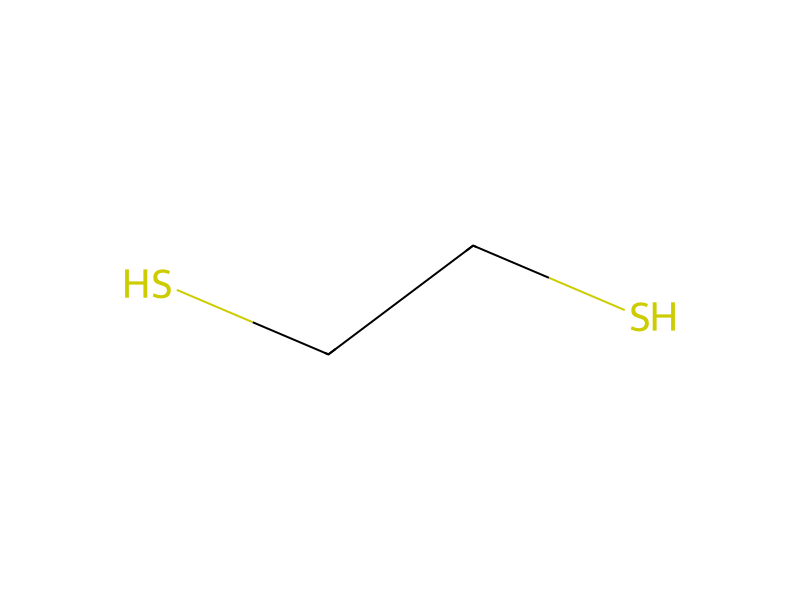
N[C@H]([C:8]([OH:10])=[O:9])CCC(=O)N.[NH2:11][C@H:12]([C:17]([OH:19])=[O:18])[C@H:13]([CH2:15]C)[CH3:14].N1CCC[C@H]1C(O)=O.N[C@H](C(O)=O)[C@@H](C)O.N[C@H](C(O)=O)[CH2:38][C:39]1[C:47]2C(=CC=CC=2)N[CH:40]=1.C(S)CS>>[C:8]([NH:11][C@H:12]([C:17]([OH:19])=[O:18])[CH:13]([CH3:14])[CH3:15])([O:10][C:39]([CH3:47])([CH3:40])[CH3:38])=[O:9]Participants
7



Procedure
A larger excess of 6 to 8 equivalents is used in the coupling of steps (h) and (m) with the tert-butoxycarbonyl-protected amino acids aparagine, glutamine, isoleucine, proline, and threonine. In the cycles following addition of a tryptophane residue, 2% 1,2-ethanedithiol (FLUKA) is added to the deprotection steps (a) and (b) in order to prevent the oxidation of the indole ring. Dehydration of the carboxamide function of glutamine is minimized by preforming the 1-hydroxybenzotriazole ester (0°, 15 min) before addition to the resin in step (h).
Workup
- additionbefore addition to the resin in step (h)
Sources & evidence
- ORD record
- ord-c03513d166bf4d9d933f5a2eda0b8657
- Source dataset
- uspto-grants-1997_08
- Patent number
- US05656596
Reaction notes
Loading…