Silica → Hexadecane
Reaction equation

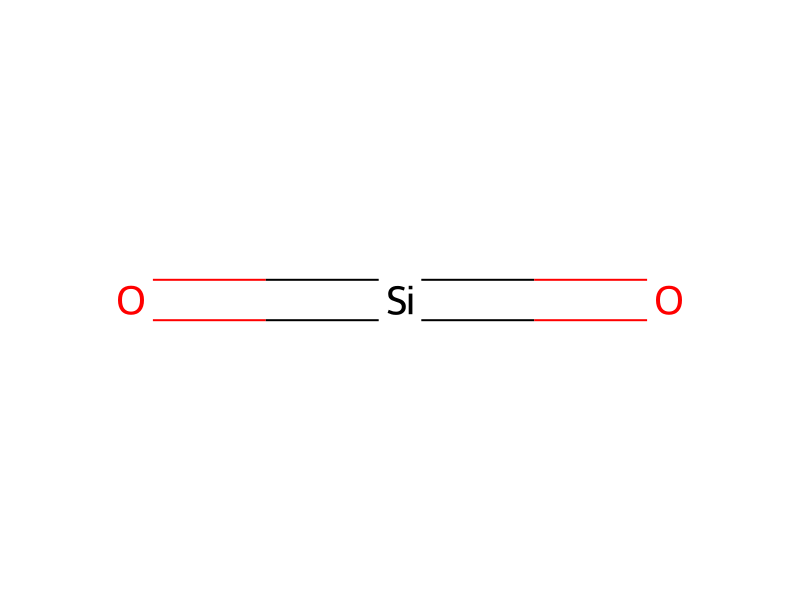
O=[Si]=O.[CH3:4][CH2:5][CH2:6][CH2:7][CH2:8][CH2:9][CH2:10][CH2:11][CH:12]=[CH:13][CH2:14][CH2:15][CH2:16][CH2:17][CH2:18][CH2:19]CC(OCCO)=O>CCCCCCCCCCCC>[CH3:19][CH2:18][CH2:17][CH2:16][CH2:15][CH2:14][CH2:13][CH2:12][CH2:11][CH2:10][CH2:9][CH2:8][CH2:7][CH2:6][CH2:5][CH3:4]Participants
4


Reagents, catalysts & solvents 1

Procedure
Results of the gel formation studies are summarized in Table VI. Addition of 1 g CAB-O-SIL® N70-TS to a reheated mixture of 20 wt % paraffin in dodecane did not aid gel formation. Polyethylene glycol monooleate and Zonyl® FSC fluorosurfactant were not miscible with the mixture. Preliminary observations indicated that after reheating a mixture of dodecane and 15 wt % N-14 Epolene® wax to solution point, the gel did not reappear upon cooling. Also, when the gel formed by 15 wt % N-14 wax in 80/20 hexadecane/mineral oil was reheated to solution point, the gel reformed upon cooling, but was easily broken by stirring with a glass rod. Extreme thermal cycling should be avoided.
Workup
- customResults of the gel formation studies
- temperatureupon cooling
Sources & evidence
- ORD record
- ord-dbdf8c1f32f84380aba91a15d9adf632
- Source dataset
- uspto-grants-1997_08
- Patent number
- US05660844
Reaction notes
Loading…