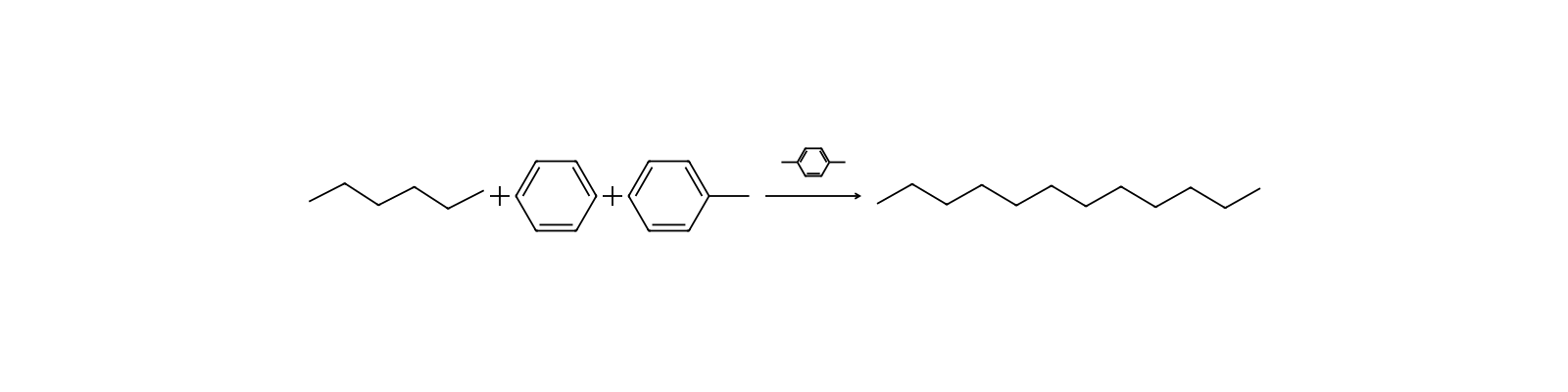

Basic information
- Standard SMILES
CCCCCCCCCCCC- InChIKey
SNRUBQQJIBEYMU-UHFFFAOYSA-N- Molecular formula
- C12H26
- Average molar mass
- 170.33 g/mol
- Monoisotopic mass
- 170.20345083
Overview
N-dodecane is a clear colorless liquid. (NTP, 1992)
Names & identifiers
- Preferred name
- Dodecane
- IUPAC
- dodecane
- English name
- n-Dodecane
- Molecular formula
- C12H26
- Molecular weight
- 170.33484
Names & synonyms
DODECANEn-Dodecane112-40-3DihexylBihexylAdakane 12N-DodecanDuodecaneBa 51-090453DTXSID002691311A386X1QHNSC-8714
Show more names
DTXCID906913CHEBI:28817RefChem:5775203-967-993685-81-5dodecanNSC 8714MFCD00008969
Database identifiers
- CAS
112-40-3、129813-67-8、93685-81-5、93924-07-3- PubChem CID
- 8182
- DTXSID
DTXSID0026913- ChEMBL
CHEMBL30959- ChEBI
CHEBI:28817- UNII
- 11A386X1QH
- EC Number
- 203-967-9、297-629-8
- Nikkaji
- J1.995J
Properties
Computed structural properties
- XLogP
- 6.1
- Topological polar surface area
- 0 Ų
- Hydrogen bond donors
- 0
- Hydrogen bond acceptors
- 0
- Rotatable bonds
- 9
- Heavy atoms
- 12
- Formal charge
- 0
- Complexity
- 56.4
Experimental & physicochemical properties
Chemical Classes
Other Classes -> Aliphatics, Saturated (>C11)
n-Alkane
UVCBUVCB -> EPA TSCA
LipidsFatty Acyls [FA] -> Hydrocarbons [FA11]
CosmeticsSolvent; Emollient
SpringerMaterials PropertiesGibbs energy
Fragrances
Fragrance Ingredient (Dodecane) -> IFRA transparency List
Fragrance Ingredient (Hydrocarbons, C4, 1,3-butadiene-free, polymd., triisobutylene fraction, hydrogenated) -> IFRA transparency List
LogP
log Kow = 6.10
6.10
6.8
Density
0.7487 at 68 °F (NTP, 1992) - Less dense than water; will float
0.7495 g/cu cm at 20 °C
0.749 @ 20°C
Flavoring AgentsEU Flavoring substances
ViscosityLess than 32 SUS (Saybolt Universal Seconds)
Color/FormColorless liquid
Solubility
less than 1 mg/mL at 77 °F (NTP, 1992)
In water, 3.7X10⁻³ mg/L at 25 °C
Very soluble in ethyl alcohol, ethyl ether, acetone, chloroform, carbon tetrachloride
In salt water, 0.005 mg/L at 20 °C; in sea water, 0.0029 mg/L; in distilled water at 25 °C, 0.0037 mg/L
3.7e-06 mg/mL at 25 °C
Physicochemical properties
- Melting point
- -9.6 °C · -9.6 °C
- Boiling point
- 216.3 °C · 216.3 °C
- Density
- 0.7487 g/cm3 · 0.7487 g/cm3
- Symbol(GHS)
- 8 · GHS08
- Signal word
- Danger
- Hazard statements
- 304 · H304
- Precautionary statements
- 301 · P301+P310-P331-P405-P501
Safety & regulation
GHS classification
GHS Classification
This chemical does not meet GHS hazard criteria for 0.4% (4 of 1042) of reports.
Danger
H304 (57.2%): May be fatal if swallowed and enters airways [Danger Aspiration hazard]
P264+P265, P280, P301+P316, P305+P351+P338, P331, P337+P317, P405, and P501 (click each P-code to see the statement)
Aggregated GHS information provided per 1042 reports by companies from 11 notifications to the ECHA C&L Inventory. Each notification may be associated with multiple companies.
This chemical does not meet GHS hazard criteria for 4.2% (36 of 853) of reports.
Hazard information
Regulatory Information
Chemical: Dodecane
Commission Regulation (EC) No 1565/2000 (Repealed by Com. Implementing Reg. (EU) No 872/2012)
Dodecane is listed on the EPA's Chemical Data Reporting (CDR) system. Manufacturers and importers of Dodecane are required to report information about their production and use of this chemical to the EPA under the Toxic Substances Control Act (TSCA). (40 eCFR Part 711)
Status: Active Update: 19-04-2023 https://echa.europa.eu/registration-dossier/-/registered-dossier/13433
Status: Active Update: 06-03-2023 https://echa.europa.eu/registration-dossier/-/registered-dossier/21760
Dodecane: Does not have an individual approval but may be used under an appropriate group standard
Other Safety InformationIMAP assessments - Dodecane: Human health tier I assessment
DOT LabelCombustible Liquid
Fire HazardsThis chemical is combustible. (NTP, 1992)
Fire PotentialCombustible.
Health Hazards
SYMPTOMS: Symptoms associated with exposure to aliphatic hydrocarbons may include nausea vomiting, dizziness, weakness, central nervous system effects such as depression, convulsions and, in extreme cases, coma. Other symptoms may include pulmonary and gastrointestinal irritation, pulmonary edema, bronchial pneumonia, anorexia, anemia, nervousness, pain in the limbs and numbness.
Reactive GroupHydrocarbons, Aliphatic Saturated
Special Reports
U.S. EPA Risk Assessment Division OPPTS; Voluntary Childrens Chemical Evaluation Program: Data Needs Assessment of n-Alkanes 23 pp. (April 2007)[Available from, as of October 20, 2008: http://www.epa.gov/oppt/vccep/pubs/finalalkanes.pdf]
USEPA; Report of the Peer Consultation Meeting on n-Alkanes (decane, undecane, dodecane). Submission by American Chemistry Council n-Alkane VCCEP Consortium for the Voluntary Children's Chemical Evaluation Program (VCCEP) (September 14, 2004 Cincinnati, Ohio Peer Consultation Organized by Toxicology Excellence for Risk Assessment, January 7, 2005).[Available from, as of October 20, 2008: http://www.epa.gov/oppt/vccep/pubs/chem15.html]
American Chemistry Council n-Alkane VCCEP Consortium; n-Alkane Category: decane, undecane, dodecane (CAS Nos. 124-18-5, 1120-21-4, 112-40-3) Voluntary Children's Chemical Evaluation Program (VCCEP) Tier 1 Pilot Submission Docket Number OPPTS - 00274D 195 pp. (June 17, 2004). Errata and Clarifications to n-Alkane Category: Decane, Undecane, Dodecane (CAS Nos. 124-18-5, 1120-21-4, 112-40-3) Voluntary Children's Chemical Evaluation Program (VCCEP) Tier 1 Pilot Submission Docket Number OPPTS - 00274D 10 00. (September 9, 2004)[Available from, as of October 20, 2008: http://www.epa.gov/oppt/vccep/pubs/chem15.html]
Reactivity Profile
Saturated aliphatic hydrocarbons, such as N-DODECANE, may be incompatible with strong oxidizing agents like nitric acid. Charring of the hydrocarbon may occur followed by ignition of unreacted hydrocarbon and other nearby combustibles. In other settings, aliphatic saturated hydrocarbons are mostly unreactive. They are not affected by aqueous solutions of acids, alkalis, most oxidizing agents, and most reducing agents. When heated sufficiently or when ignited in the presence of air, oxygen or strong oxidizing agents, they burn exothermically to produce carbon dioxide and water.
Flammable LimitsLower 0.6% by vol
Air and Water ReactionsFlammable. Insoluble in water.
NFPA Hazard Classification
1 - Materials that, under emergency conditions, can cause significant irritation.
2 - Materials that must be moderately heated or exposed to relatively high ambient temperatures before ignition can occur. Materials would not under normal conditions form hazardous atmospheres with air, but under high ambient temperatures or under moderate heating could release vapor in sufficient quantities to produce hazardous atmospheres with air.
0 - Materials that in themselves are normally stable, even under fire conditions.
Safety & protection
Fire FightingFires involving this material can be controlled with a dry chemical, carbon dioxide, foam or Halon extinguisher. (NTP, 1992)
First Aid
EYES: First check the victim for contact lenses and remove if present. Flush victim's eyes with water or normal saline solution for 20 to 30 minutes while simultaneously calling a hospital or poison control center. Do not put any ointments, oils, or medication in the victim's eyes without specific instructions from a physician. IMMEDIATELY transport the victim after flushing eyes to a hospital even if no symptoms (such as redness or irritation) develop.
Firefighting HazardsDisaster Hazard: Dangerous; Keep away from heat and open flame.
Fire Fighting Procedures
Suitable extinguishing media: Use water spray, alcohol-resistant foam, dry chemical, or carbon dioxide.
Advice for firefighters: Wear self-contained breathing apparatus for firefighting if necessary.
Use water spray to cool unopened containers.
To fight fire: Foam, CO2, dry chemical.
Storage ConditionsKeep container tightly closed in a dry and well-ventilated place. Containers which are opened must be carefully resealed and kept upright to prevent leakage. Handle and store under inert gas. Hygroscopic.
Cleanup Methods
ACCIDENTAL RELEASE MEASURES: Personal precautions, protective equipment and emergency procedures: Use personal protective equipment. Avoid breathing vapors, mist or gas. Ensure adequate ventilation. Remove all sources of ignition. Evacuate personnel to safe areas. Beware of vapors accumulating to form explosive concentrations. Vapors can accumulate in low areas. Environmental precautions: Prevent further leakage or spillage if safe to do so. Do not let product enter drains. Methods and materials for containment and cleaning up: Contain spillage, and then collect with an electrically protected vacuum cleaner or by wet-brushing and place in container for disposal according to local regulations. Keep in suitable, closed containers for disposal.
Nonfire Spill Response
SMALL SPILLS AND LEAKAGE: If you spill this chemical, FIRST REMOVE ALL SOURCES OF IGNITION. Then, use absorbent paper to pick up all liquid spill material. Your contaminated clothing and absorbent paper should be sealed in a vapor-tight plastic bag for eventual disposal. Solvent wash all contaminated surfaces with ethanol followed by washing with a soap and water solution. Do not reenter the contaminated area until the Safety Officer (or other responsible person) has verified that the area has been properly cleaned.
Disposal Methods
SRP: Recycle any unused portion of the material for its approved use or return it to the manufacturer or supplier. Ultimate disposal of the chemical must consider: the material's impact on air quality; potential migration in air, soil or water; effects on animal, aquatic and plant life; and conformance with environmental and public health regulations. If it is possible or reasonable use an alternative chemical product with less inherent propensity for occupational harm/injury/toxicity or environmental contamination.
Product: This combustible material may be burned in a chemical incinerator equipped with an afterburner and scrubber. Offer surplus and non-recyclable solutions to a licensed disposal company; Contaminated packaging: Dispose of as unused product.
Preventive Measures
ACCIDENTAL RELEASE MEASURES: Personal precautions, protective equipment and emergency procedures: Use personal protective equipment. Avoid breathing vapors, mist or gas. Ensure adequate ventilation. Remove all sources of ignition. Evacuate personnel to safe areas. Beware of vapors accumulating to form explosive concentrations. Vapors can accumulate in low areas. Environmental precautions: Prevent further leakage or spillage if safe to do so. Do not let product enter drains.
Precautions for safe handling: Avoid contact with skin and eyes. Avoid inhalation of vapor or mist. Keep away from sources of ignition - No smoking. Take measures to prevent the build up of electrostatic charge.
Appropriate engineering controls: Handle in accordance with good industrial hygiene and safety practice. Wash hands before breaks and at the end of workday.
Gloves must be inspected prior to use. Use proper glove removal technique (without touching glove's outer surface) to avoid skin contact with this product. Dispose of contaminated gloves after use in accordance with applicable laws and good laboratory practices. Wash and dry hands.
SRP: The scientific literature for the use of contact lenses by industrial workers is inconsistent. The benefits or detrimental effects of wearing contact lenses depend not only upon the substance, but also on factors including the form of the substance, characteristics and duration of the exposure, the uses of other eye protection equipment, and the hygiene of the lenses. However, there may be individual substances whose irritating or corrosive properties are such that the wearing of contact lenses would be harmful to the eye. In those specific cases, contact lenses should not be worn. In any event, the usual eye protection equipment should be worn even when contact lenses are in place.
Isolation and EvacuationExcerpt from ERG Guide 128 [Flammable Liquids (Water-Immiscible)]:
Protective Action Criteria (PAC)
0.12 [ppm]
1.3 [ppm]
7.9 [ppm]
Personal Protective Equipment (PPE)
RECOMMENDED RESPIRATOR: Where the neat test chemical is weighed and diluted, wear a NIOSH-approved half face respirator equipped with an organic vapor/acid gas cartridge (specific for organic vapors, HCl, acid gas and SO2) with a dust/mist filter. (NTP, 1992)
Eye/face protection: Face shield and safety glasses. Use equipment for eye protection tested and approved under appropriate government standards such as NIOSH (US) or EN 166(EU).
Skin protection: Handle with gloves.
Body Protection: Complete suit protecting against chemicals. The type of protective equipment must be selected according to the concentration and amount of the dangerous substance at the specific workplace.
Respiratory protection: Where risk assessment shows air-purifying respirators are appropriate use a full-face respirator with multipurpose combination (US) or type ABEK (EN 14387) respirator cartridges as a backup to engineering controls. If the respirator is the sole means of protection, use a full-face supplied air respirator. Use respirators and components tested and approved under appropriate government standards such as NIOSH (US) or CEN (EU).
Toxicology
Body Burden
Dodecane was detected but not quantified in breath and personal air samples collected from 50 individuals in the Los Angeles, CA area(1). Dodecane was detected in 7 of 8 samples of mothers breast milk from the cities of Bayonne NJ, Jersey City NJ, Bridgeville PA and Baton Rouge LA(2). Dodecane was detected in expired air collected from 62 non-smoking subjects (20 controls, 14 prediabetics, and 28 diabetics), concentration unknown(3).
Interactions
... The present study is an ongoing approach to assess the dose-related percutaneous absorption of a number of aliphatic and aromatic hydrocarbons. The first treatment (1X) was comprised of mixtures containing undecane (4.1%), dodecane (4.7%), tridecane (4.4%), tetradecane (3%), pentadecane (1.6%), naphthalene (1.1%), and dimethyl naphthalene (1.3% of jet fuels) in hexadecane solvent using porcine skin flow through diffusion cell. Other treatments (n=4 cells) were 2X and 5X concentrations. Perfusate samples were analyzed with gas chromatography-flame ionization detector (GC-FID) using head space solid phase micro-extraction fiber technique. We have standardized the assay to have a good linear correlation for all the tested components in media standards. Absorption parameters including diffusivity, permeability, steady state flux, and percent dose absorbed were estimated for all the tested hydrocarbons. This approach provides a baseline to access component interactions among themselves and with the diluent (solvents). A quantitative structure permeability relationship (QSPR) model was derived to predict the permeability of unknown jet fuel hydrocarbons in this solvent system by using their physicochemical parameters. Our findings suggested a dose related increase in absorption for naphthalene and dimethyl naphthalene (DMN).
Jet fuels are complex mixtures of aliphatic (ALI) and aromatic (ARO) hydrocarbons that vary significantly in individual cytotoxicity and proinflammatory activity in human epidermal keratinocytes (HEK). In order to delineate the toxicological interactions among individual hydrocarbons in a mixture and their contributions to cutaneous toxicity, nine ALI and five ARO hydrocarbons were each divided into five (high/medium/low cytotoxic and strong/weak IL-8 induction) groups and intra/inter-mixed to assess for their mixture effects on HEK mortality and IL-8 release. Addition of single hydrocarbon to JP-8 fuel was also evaluated for their changes in fuel dermatotoxicity. The results indicated that when hydrocarbons were mixed, HEK mortality and IL-8 release were not all predictable by their individual ability affecting these two parameters. The lowest HEK mortality (7%) and the highest IL-8 production were induced with mixtures including high cytotoxic and weak IL-8 inductive ARO hydrocarbons. Antagonistic reactions not consistently correlated with ALI carbon chain length and ARO structure were evident and carried different weight in the overall mixture toxicities. Single addition of benzene, toluene, xylene or ethylbenzene for up to tenfold in JP-8 did not increase HEK mortality while single addition of ALI hydrocarbons exhibited dose-related differential response in IL-8. In an all ALI environment, no single hydrocarbon is the dominating factor in the determination of HEK cytotoxicity while deletion of hexadecane resulted in a 2.5-fold increase in IL-8 production. Overall, decane, undecane and dodecane were the major hydrocarbons associated with high cytotoxicity while tetradecane, pentadecane and hexadecane were those which had the greatest buffering effect attenuating dermatotoxicity. The mixture effects must be considered when evaluating jet fuel toxicity to HEK.
Jet fuels are complex mixtures of aliphatic (ALI) and aromatic (ARO) hydrocarbons that vary significantly in individual cytotoxicity and proinflammatory activities in human epidermal keratinocytes (HEK). In order to elucidate the dermatotoxicity of a complex mixture like jet fuels, structural differences, exposure time and dosage were investigated on HEK toxicity assessed by mortality and IL-8 release. ALI and ARO hydrocarbons were grouped into 4 categories: highly cytotoxic (octane, nonane, decane for aliphatics and cyclohexalbenzene, trimethylbenzene, xylene for aromatics), low cytotoxic (tetradecane, pentadecane, hexadecane for aliphatics and benzene for aromatics), high IL-8 release (decane, undecane, dodecane for aliphatics and dimethylnapthalene, cyclohexylbenzene, ethylbenzene for aromatics) and low IL-8 release (tetradecane, pentadecane, hexadecane for aliphatics and benzene, toluene, xylene for aromatics). The 4 categories of ALI hydrocarbons were mixed with each other, or cross-mixed with each of the 4 categories of ARO hydrocarbons. The resulting cytotoxicity and IL-8 production from HEK were evaluated at 24 hr. The results showed an antagonistic cytotoxic effect between ALI and ARO hydrocarbons in which ALI attenuated the degree of HEK mortality caused by the ARO hydrocarbons. On the other hand, the ARO hydrocarbons reduced the significant increase of IL-8 induced by ALI hydrocarbons. Synergistic effects between low IL-8 inductive and low cytotoxic hydrocarbons were found and the highest cytotoxic and IL-8 inductive responses did not completely correspond to the mixture of highly cytotoxic and highly IL-8 inductive hydrocarbons. This study supports the concept that the ARO dictate the degree of HEK mortality, while the ALI are the major contributor to inciting the proinflammatory response. Mixture effects must be considered when evaluating cytotoxicity to HEK.
/In C3H/HEJ mouse skin bioassays/ the 9-, 2-, and 3-methylbenz(a)-anthracene compounds were noncarcinogenic using toluene as the solvent. With the substitution of n-dodecane for toluene all three compounds produced significant numbers of tumors. The results indicate that ... certain noncarcinogenic methylbenz(a)anthracenes can have their carcinogenic potential altered by a change in the solvent used.
For more Interactions (Complete) data for n-Dodecane (11 total), please visit the HSDB record page.
Environmental Fate
TERRESTRIAL FATE: Based on a classification scheme(1), an estimated Koc value of 4800(SRC), determined from a structure estimation method(2), indicates that dodecane is expected to have slight mobility in soil(SRC). Volatilization of dodecane from moist soil surfaces is expected to be an important fate process(SRC) given an estimated Henry's Law constant of 8.2 atm-cu m/mole(3) derived from its vapor pressure, 0.135 mm Hg(4), and water solubility, 3.7X10⁻³ mg/L(5). Dodecane is not expected to volatilize from dry soil surfaces(SRC) based upon its vapor pressure(4). However, adsorption to soil is expected to attenuate volatilization. According to the Japanese MITI test, dodecane is considered readily biodegradable based on results of analogous chemicals(6) indicating that biodegradation is an important environmental fate process in soil(SRC).
AQUATIC FATE: Based on a classification scheme(1), an estimated Koc value of 4800(SRC), determined from a structure estimation method(2), indicates that dodecane is expected to adsorb to suspended solids and sediment(SRC). Volatilization from water surfaces is expected(3) based upon an estimated Henry's Law constant of 8.2 atm-cu m/mole(SRC), derived from its vapor pressure, 0.135 mm Hg(4), and water solubility, 3.7X10⁻³ mg/L(5). Using this Henry's Law constant and an estimation method(3), volatilization half-lives for a model river and model lake are 4 hrs and 5 days, respectively(SRC). However, volatilization from water surfaces is expected to be attenuated by adsorption to suspended solids and sediment in the water column. The estimated volatilization half-life from a model pond is 32 days if adsorption is considered(6). According to a classification scheme(7), BCF values of 53(8) to <240(9) suggest bioconcentration in aquatic organisms is moderate to high(SRC). According to the Japanese MITI test, dodecane is considered readily biodegradable based on results of analogous chemicals(10) indicating that biodegradation is an important environmental fate process in water(SRC).
ATMOSPHERIC FATE: According to a model of gas/particle partitioning of semivolatile organic compounds in the atmosphere(1), dodecane, which has a vapor pressure of 0.135 mm Hg at 25 °C(2), is expected to exist solely as a vapor in the ambient atmosphere. Vapor-phase dodecane is degraded in the atmosphere by reaction with photochemically-produced hydroxyl radicals(SRC); the half-life for this reaction in air is estimated to be 0.8 days(SRC), calculated from its rate constant of 1.4X10⁻¹¹ cu cm/molecule-sec at 25 °C(3). Dodecane does not contain chromophores that absorb at wavelengths >290 nm(4) and, therefore, is not expected to be susceptible to direct photolysis by sunlight(SRC).
Food Survey Values
Dodecane was identified as a volatile component of peanut oil (heated from 150 to 200 °C)(1), Beaufort cheese(2), fried bacon(3), roasted filberts (Corylus avellana)(4), chickpea (Cicer arietinum L.) seed(5), mutton, chicken, and beef volatiles(6), fried chicken(7), and kiwi fruit flowers (Actinidia chinensis Planch)(8), concentrations not specified. Dodecane was detected in German and French commercially manufactured frankfurters, that did not contain spices or smoke(9).
Milk ConcentrationsENVIRONMENTAL: Dodecane was detected in 2 of 12 samples of mothers breast milk from the cities of Bayonne NJ, Jersey City NJ, Bridgeville PA and Baton Rouge LA(1).
Toxicity Summary
IDENTIFICATION AND USE: Dodecane is a colorless liquid. Dodecane is a component of gasoline and is used as solvent, in organic synthesis, in jet fuel research, as a distillation chaser, and in the rubber and paper processing industries. HUMAN EXPOSURE AND TOXICITY: Dodecane may be harmful if inhaled, swallowed, or absorbed through the skin. It can be irritating to mucous membranes. ANIMAL STUDIES: Dodecane, can produce slight to severe dermal irritation and respiratory in animals. However, it produced only minimal to negligible ocular irritation. Rats exposed to inhalation to 0.2 mL dodecane died within 24 hours of progressive edema and hemorrhaging. Dodecane did not show any effects, including no central nervous system depression, when rats were exposed at the saturated vapor concentrations. Dodecane, applied topically to progeny of rats treated with benzo(a)pyrene, chrysene, or benzo(b)triphenylene on gestation day 1, produced tumors in offspring. Dodecane has been shown to be a promoter of skin carcinogenesis for ultraviolet radiation. Dodecane, did not produce an increase in mutations when tested in the Ames Salmonella typhimurium assay with and without of metabolic activation. However, Dodecane was able to enhance mutagenesis induced by methylazoxymethanol acetate at the ouabain resistance locus.
Plant Concentrations
Dodecane occurrence in plants(1). /Dodecane/[Table#5185]
n-Dodecane occurrence in plants(1).[Table#5186]
Animal Concentrations
The concentration of dodecane in tissue samples collected from 12 wolves of Northern Spain was determined to be 1.89, 3.26, 11.01, 90.44, and 6.71 mg/kg lipid weight in spleens, livers, muscle, kidney and suprarenal capsules, respectively(1). The concentration of dodecane in blubber collected from walruses (Odobenus rosmarus divergens) in six locations of the Pacific Ocean was determined to range from 0 to 0.07 ppm wet weight(2). Dodecane was detected in the blubber of Pacific walruses at a mean concentration of 0.06 ug/g wet weight and a range of 0.01 to 0.16 ug/g wet weight. Samples were collected from 8 males and 19 females from the Bering Sea in 1991(3).
Ongoing Test Status
EPA has released the Interactive Chemical Safety for Sustainability (iCSS) Dashboard. The iCSS Dashboard provides an interactive tool to explore rapid, automated (or in vitro high-throughput) chemical screening data generated by the Toxicity Forecaster (ToxCast) project and the federal Toxicity Testing in the 21st century (Tox21) collaboration. /The title compound was tested by ToxCast and/or Tox21 assays/[USEPA; ICSS Dashboard Application; Available from, as of September 8, 2016: http://actor.epa.gov/dashboard/]
Effluent Concentrations
An average dodecane concentration of 387 ng/uL was identified in a USA industrial wastewater survey in which samples collected between November 1, 1979 to November 1, 1981 were analyzed for organic pollutants other than Priority Pollutants(1). Dodecane was identified in the emissions of a municipal waste incineration plant in Germany at a concentration of 0.14 ug/cu m(2).
Dodecane was detected in 37 filter samples of exhaust air from the ventilating system of Elbtunnel, Hamburg, Germany, as having concentrations ranging from 1.71 to 4.92 g/cu m(1). Air pollution measurements taken from the Craeybeckx highway tunnel in Antwerp, Belgium during April 1991 were found to contain dodecane concentrations ranging from 0.033 to 0.059 g/kg(2). Data from Sept 2 1979 identified dodecane as a gaseous emission of the vehicle traffic through the Allegheny Mountain Tunnel of the Pennsylvania Turnpike(3). Data from Aug 25 to Sept 7 1979 showed for a speed of 80 km/hr on straight and level highway, gasoline powered vehicles emitted dodecane at an average rate of 1.8 mg/km and diesel trucks emitted dodecane at an average of 17.1 mg/km(4). Dodecane (diesel fuel composition = 15,500 ug/g) was detected in the tail-pipe emissions of late-model medium duty diesel trucks at an emission of 503 ug/km. The study used a two-stage dilution source sampling system and the trucks were driven using the hot-start Federal Test Procedure (FTP) urban driving cycle(5). During a similar study using gasoline (dodecane composition = 136 ug/g) with automobiles and light-duty trucks, dodecane was detected in tail-pipe emissions of catalyst-equipped gas-powered vehicles at 83.9 ug/km and 1,770 ug/km in non-catalyst equipped motor vehicles(6). A dodecane emission factor of 6.2 mg/km was reported for gas-powered vehicles traveling through the Maria Maluf Tunnel (carries light-duty vehicles and heavy-duty diesel trucks) in Sao Paulo, Brazil, sampled in May 2004(7).
VOC emissions from motor vehicles in the Fort McHenry Tunnel Baltimore, MD and the Tuscarora Tunnel on the PA Turnpike(1).[Table#5183]
Soil Adsorption/Mobility
Using a structure estimation method based on molecular connectivity indices(1), the Koc of dodecane can be estimated to be 4800(SRC). According to a classification scheme(2), this estimated Koc value suggests that dodecane is expected to have slight mobility in soil. In a study conducted to mimic a spill of 1.27 L/sq m, dodecane (present in JP-4 jet fuel) was transported to a depth of 10 cm; at the end of the study (134 days), it was no longer detected(3). In another study, it was determined that dodecane is slowly intercalated into well dried montmorillonite clay(4).
Natural Pollution SourcesDodecane occurs in the paraffin fraction of petroleum and is a component of petroleum oils and tars(1).
Safety data
- Signal word
- Danger
- Symbol(GHS)
- GHS08
- Hazard statements
- H304
- Precautionary statements
- P301+P310-P331-P405-P501
Chemistry & industry
Pharmacology
Metabolism/Metabolites
Alternative fuels are being considered for civilian and military uses. One of these is S-8, a replacement jet fuel synthesized using the Fischer-Tropsch process, which contains no aromatic compounds and is mainly composed of straight and branched alkanes. Metabolites of S-8 fuel in laboratory animals have not been identified. The goal of this study was to identify metabolic products from exposure to aerosolized S-8 and a designed straight-chain alkane/polyaromatic mixture (decane, undecane, dodecane, tridecane, tetradecane, pentadecane, naphthalene, and 2-methylnaphthalene) in male Fischer 344 rats. Collected blood and tissue samples were analyzed for 70 straight and branched alcohols and ketones ranging from 7 to 15 carbons. No fuel metabolites were observed in the blood, lungs, brain, and fat following S-8 exposure. Metabolites were detected in the liver, urine, and feces. Most of the metabolites were 2- and 3-position alcohols and ketones of prominent hydrocarbons with very few 1- or 4-position metabolites. Following exposure to the alkane mixture, metabolites were observed in the blood, liver, and lungs. Interestingly, heavy metabolites (3-tridecanone, 2-tridecanol, and 2-tetradecanol) were observed only in the lung tissues possibly indicating that metabolism occurred in the lungs. With the exception of these heavy metabolites, the metabolic profiles observed in this study are consistent with previous studies reporting on the metabolism of individual alkanes. Further work is needed to determine the potential metabolic interactions of parent, primary, and secondary metabolites and identify more polar metabolites. Some metabolites may have potential use as biomarkers of exposure to fuels.
Dodecane is hydroxylated to yield the corresponding primary alcohol. It is metabolized by the rat liver microsomal mixed-function oxidase system. Dodecane induces the metabolism of benzo(a)pyrene in the lung.
MeSH Pharmacological ClassificationSubstances that increase the risk of NEOPLASMS in humans or animals. Both genotoxic chemicals, which affect DNA directly, and nongenotoxic chemicals, which induce neoplasms by other mechanism, are included.
Absorption, Distribution and Excretion
... Pigs were exposed to JP-8 jet fuel-soaked cotton fabrics for 1 and 4 d with repeated daily exposures. Preexposed and unexposed skin was then dermatomed and placed in flow-through in vitro diffusion cells. Five cells with exposed skin and four cells with unexposed skin were dosed with a mixture of 14 different hydrocarbons (HC) consisting of nonane, decane, undecane, dodecane, tridecane, tetradecane, pentadecane, hexadecane, ethyl benzene, o-xylene, trimethyl benzene (TMB), cyclohexyl benzene (CHB), naphthalene, and dimethyl naphthalene (DMN) in water + ethanol (50:50) as diluent. Another five cells containing only JP-8-exposed skin were dosed solely with diluent in order to determine the skin retention of jet fuel HC. The absorption parameters of flux, diffusivity, and permeability were calculated for the studied HC. The data indicated that there was a two-fold and four-fold increase in absorption of specific aromatic HC like ethyl benzene, o-xylene, and TMB through 1- and 4-d JP-8 preexposed skin, respectively. Similarly, dodecane and tridecane were absorbed more in 4-d than 1-d JP-8 preexposed skin experiments. The absorption of naphthalene and DMN was 1.5 times greater than the controls in both 1- and 4-d preexposures. CHB, naphthalene, and DMN had significant persistent skin retention in 4-d preexposures as compared to 1-d exposures that might leave skin capable of further absorption several days postexposure. The possible mechanism of an increase in HC absorption in fuel preexposed skin may be via lipid extraction from the stratum corneum as indicated by Fourier transform infrared (FTIR) spectroscopy. This study suggests that the preexposure of skin to jet fuel enhances the subsequent in vitro percutaneous absorption of HC, so single-dose absorption data for jet fuel HC from naive skin may not be optimal to predict the toxic potential for repeated exposures. For certain compounds, persistent absorption may occur days after the initial exposure.
... The present study is an ongoing approach to assess the dose-related percutaneous absorption of a number of aliphatic and aromatic hydrocarbons. The first treatment (1X) was comprised of mixtures containing undecane (4.1%), dodecane (4.7%), tridecane (4.4%), tetradecane (3%), pentadecane (1.6%), naphthalene (1.1%), and dimethyl naphthalene (1.3% of jet fuels) in hexadecane solvent using porcine skin flow through diffusion cell. Other treatments (n=4 cells) were 2X and 5X concentrations. Perfusate samples were analyzed with gas chromatography-flame ionization detector (GC-FID) using head space solid phase micro-extraction fiber technique. We have standardized the assay to have a good linear correlation for all the tested components in media standards. Absorption parameters including diffusivity, permeability, steady state flux, and percent dose absorbed were estimated for all the tested hydrocarbons. This approach provides a baseline to access component interactions among themselves and with the diluent (solvents). A quantitative structure permeability relationship (QSPR) model was derived to predict the permeability of unknown jet fuel hydrocarbons in this solvent system by using their physicochemical parameters. Our findings suggested a dose related increase in absorption for naphthalene and dimethyl naphthalene (DMN).
Rat tissue:air and blood:air partition coefficients (PCs) for octane, nonane, decane, undecane, and dodecane (n-C8 to n-C12 n-alkanes) were determined by vial equilibration. The blood:air PC values for n-C8 to n-C12 were 3.1, 5.8, 8.1, 20.4, and 24.6, respectively. The lipid solubility of n-alkanes increases with carbon length, suggesting that lipid solubility is an important determinant in describing n-alkane blood:air PC values. The muscle:blood, liver:blood, brain:blood, and fat:blood PC values were octane (1.0, 1.9, 1.4, and 247), nonane (0.8, 1.9, 3.8, and 274), decane (0.9, 2.0, 4.8, and 328), undecane (0.7, 1.5, 1.7, and 529), and dodecane (1.2, 1.9, 19.8, and 671), respectively. The tissue:blood PC values were greatest in fat and the least in muscle. The brain:air PC value for undecane was inconsistent with other n-alkane values. Using the measured partition coefficient values of these n-alkanes, linear regression was used to predict tissue (except brain) and blood:air partition coefficient values for larger n-alkanes, tridecane, tetradecane, pentadecane, hexadecane, and heptadecane (n-C13 to n-C17). Good agreement between measured and predicted tissue:air and blood:air partition coefficient values for n-C8 to n-Cl2 offer confidence in the partition coefficient predictions for longer chain n-alkanes.
Absorption of dodecane occurs mainly by inhalation. It has been detected on mother's milk.
Cellular LocationsMembrane
Uses & manufacturing
Uses
Used as a solvent (inks and degreasing) and in chemical research and production; Used in paper processing; [HSDB]
Metal Degreasing [Category: Clean]
Solvent, organic synthesis, distillation chaser, jet fuel research
Manufacturing paraffin products ... Lubricant oil additive.
Dodecane is a component of gasoline and is used as solvent, in organic synthesis, in jet fuel research, as a distillation chaser, and in the rubber and paper processing industries.
We have recommended surrogate blends for Fischer-Tropsch (F-T) blends that consist of mixtures of n-dodecane, n-decane, and iso-octane. In addition, we have described a systematic approach to generating a specific blend to match a specific fuel. Compositions for specific surrogates of two different F-T fuels have been proposed that provide a best match to cetane number, H/C ratio, lower heating value, T50 boiling point, and chemical-analysis data. Tests of these blends against experimental data for flame-propagation and flame-extinction strain rate show good agreement.
ImpuritiesThe common impurities or contaminants /minor products/ associated with the synthesis of n-dodecane are 5-methyl undecane (5%) and a mixture of 1-hexene and n-hexane.
U.S. Production
2023: 100,000,000 - <250,000,000 lb
(1977) AT LEAST 2.27X10+10 G
(1982) PROBABLY GREATER THAN 6.81X10+6 G
Dodecane listed as a High Production Volume (HPV) chemical (65FR81686). Chemicals listed as HPV were produced in or imported into the U.S. in >1 million pounds in 1990 and/or 1994. The HPV list is based on the 1990 Inventory Update Rule. (IUR) (40 CFR part 710 subpart B; 51FR21438).
Production volumes for non-confidential chemicals reported under the Inventory Update Rule. [Table#5187]
Non-confidential 2012 Chemical Data Reporting (CDR) information on the production and use of chemicals manufactured or imported into the United States. Chemical: Dodecane. National Production Volume: 50,000,000 - 100,000,000 lb/yr.
Consumer UsesHeat stabilizer
Industry UsesFuel
Methods of Manufacturing
1-Hexene is hydroborated with sodium borohydride and boron trifluoride in diglyme. Aqueous potassium hydroxide is then added followed by aqueous silver nitrate. The major product is n-dodecane (66%).
Dodecane is isolated from the kerosene and gas oil fractions of crude oil by selective adsorption and subsequent desorption to yield mixtures of paraffins that can be separated by fractional distillation.
Household ProductsInformation on 1 consumer products that contain Hydrocarbons, C4, 1,3-butadiene-free, polymd., triisobutylene fraction, hydrogenated in the following categories is provided:
Use Classification
Fragrance Ingredients
Fragrance Ingredients
Cosmetics -> Solvent; Emollient
General Manufacturing Information
Other (requires additional information)
Dodecane: ACTIVE
Hydrocarbons, C4, 1,3-butadiene-free, polymd., triisobutylene fraction, hydrogenated: ACTIVE
Grades: 95, 99%, and 99.7 mole %.
Occurs in the paraffin fraction of petroleum
Suppliers50 total
山东旭晨化工科技有限公司0533-15715337262 15715337262 · [email protected]
南通润丰石油化工有限公司66017690 19952660367 · [email protected]
Hebei Chuanghai Biotechnology Co., Ltd+86-17732866630 · [email protected]
Hebei Zhuanglai Chemical Trading Co Ltd+86-16264648883 · [email protected]
山东泰诚生物科技有限公司18769832557 18769832557 · [email protected]
上海比阳实业有限公司+86-21-52699951; +8613917686115 · [email protected]
聊城信立新材料有限公司18963527911 18006357927 · [email protected]
山东海舟生物工程有限公司130-0567-0367 13006570367 · [email protected]
江苏艾康生物医药研发有限公司025-025-66113011 15955137747 · [email protected]
山东信恒化工有限公司15269160602 15269160602
上海迈瑞尔生化科技有限公司4006356688 18621169109 · [email protected]
江苏普乐司生物科技有限公司0513-66017706 18551496367 · [email protected]
武汉市聚舜化工有限公司027-02783261126 18971318572 · [email protected]
广东元丰化学试剂有限公司0751-2829979 13318593351 · [email protected]
广东方信生物科技有限公司0751-2838688 13376594225 · [email protected]
南通合润生物科技有限公司18362409333 · [email protected]
常州市华阳科技有限公司+8615250961469 · [email protected]
上海比阳实业有限公司+86-15021878111 · [email protected]
山东信恒化工有限公司152-15269160605-0605 15269160605 · [email protected]
泰安鑫润生物科技有限公司15318133072 15318133072 · [email protected]
湖北微斯汀科技有限公司027-61182895 13367240285 · [email protected]
玛雅试剂+86 (573) 82222445 (0)18006601000 452520369 · [email protected]
赛默飞世尔科技(中国)有限公司800-810-5118 · [email protected]
北京伊诺凯科技有限公司400-810-7969 010-59572699 · [email protected]
湖北隆信化工实业有限公司15271551270 · [email protected]
Yujiang Chemical (Shandong) Co.,Ltd.+86-18633844644 · [email protected]
山东强森化工有限公司18805331268 · [email protected]
上海创赛科技有限公司400-6087598 15021221957 · [email protected]
上海麦克林生化科技股份有限公司15221275939 15221275939 · [email protected]
山东强森化工有限公司0533-15169226111-15169226111 15169226111 · [email protected]
天津荣燊化工有限公司18317763565; 18317763565 · [email protected]
九鼎化学(上海)科技有限公司4009209199 · [email protected]
泰安市江舟生物科技有限公司1385-13854830759 13854830759 · [email protected]
上海阿拉丁生化科技股份有限公司6206333 13167063860 · [email protected]
湖北美钡新材料有限公司18271819653 · [email protected]
山东崇成能源科技有限公司18253333366 · [email protected]
南通市苏北化工原料有限公司0513-85290972 18762756250 · [email protected]
上海源叶生物科技有限公司13636370518 · [email protected]
舟山广兴化学有限公司15698059122 15698059122 · [email protected]
郑州艾克姆化工有限公司0371-0371-55629727 13323845623 · [email protected]
广东翁江化学试剂有限公司0751-2886750 13927877953 · [email protected]
Shanghai Acmec Biochemical Technology Co., Ltd.+86-18621343501 · [email protected]
上海易恩化学技术有限公司400-400-1332688 18019345275 · [email protected]
河南天孚化工有限公司+86-0371-55170693 +86-19937530512 · [email protected]
厦门盈融达化工有限公司+86-0592-6210733 · [email protected]
上海吉至生化科技有限公司021-4009004166/18616739031 18616739031 · [email protected]
career henan chemical co+86-0371-86658258 · [email protected]
济南仁源化工有限公司0531-86128689 18396852370 · [email protected]
Aladdin Scientific[email protected]
湖北达豪化工有限公司027-027-59106191 13986034860 · [email protected]
Related reactions
309 records






Linked notes
Loading…