L-(-)-Sorbose → 2-keto-L-Gulonic acid
Reaction equation

[OH:1][CH2:2][C:3]([C@H:5]([C@@H:7]([C@H:9]([CH2:11][OH:12])[OH:10])[OH:8])[OH:6])=[O:4].C([O-])([O-])=[O:14].[Ca+2]>>[CH2:11]([OH:12])[C@H:9]([OH:10])[C@@H:7]([OH:8])[C@H:5]([OH:6])[C:3]([C:2]([OH:14])=[O:1])=[O:4]Participants

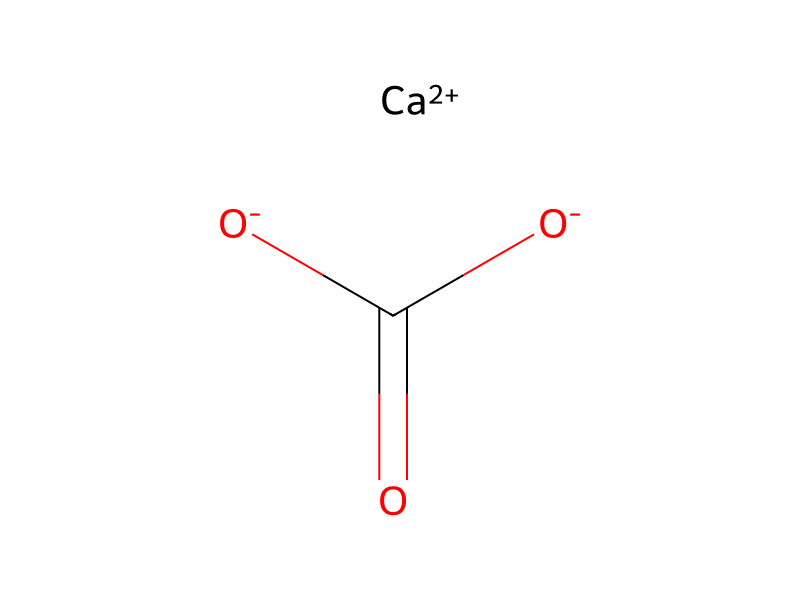

Conditions
- Temperature
- 30 °C
Procedure
The colonies treated with the mutagen on the complete medium plate were streaked onto a fresh complete medium plate over a length of about 2 cm at the rate of 12 strains per plate. After incubation at 28° C. for 2 days, one loopful of the grown cells were transferred to a test tube containing 3 ml of a medium (pH 6.5) composed of 7.0% of L-sorbose (separately sterilized), 1.0% of dried yeast 10% of peptone, 0 1% of ferrous chloride and 3.0% of CaCO3 and incubated with shaking at 30° C. for 4 days. Among the tested mutant strains, the strain TH14-86 was found to produce 2-keto-L-gulonic acid twice as much as the parental strain K591s under the above conditions. This strain TH14-86 (IFO 14466; FERM BP-1128) was chosen as an oxidative strain with an augmented ability to oxidize L-sorbose.
Workup
- additionThe colonies treated with the mutagen on the complete medium plate
- customone loopful of the grown cells were transferred to a test tube
- additioncontaining 3 ml of a medium (pH 6.5)
Sources & evidence
- ORD record
- ord-4adba9b46d314e7da259be6fdc835898
- Source dataset
- uspto-grants-1995_12
- Patent number
- US05474924
Reaction notes
Loading…