3-Pentanamine → Pendimethalin
Reaction equation

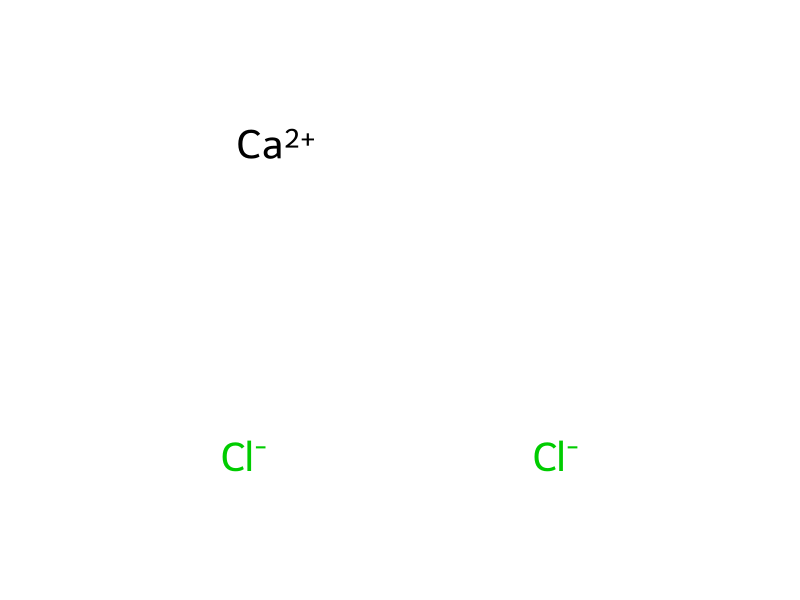
[N+:1]([C:4]1[C:9]([CH3:10])=[C:8]([CH3:11])[CH:7]=[C:6]([N+:12]([O-:14])=[O:13])[C:5]=1OC)([O-:3])=[O:2].[Cl-].[Cl-].[Ca+2].[CH2:20]([CH:22]([NH2:25])[CH2:23][CH3:24])[CH3:21]>>[CH2:20]([CH:22]([NH:25][C:5]1[C:6]([N+:12]([O-:14])=[O:13])=[CH:7][C:8]([CH3:11])=[C:9]([CH3:10])[C:4]=1[N+:1]([O-:3])=[O:2])[CH2:23][CH3:24])[CH3:21]Participants



Procedure
To a suitable reaction vessel equipment with a thermometer and mechanical stirrer was introduced 24 g 2,6-dinitro-3,4-dimethylanisole 94% (0.1 moles), 0.55 g CaCl2 (0.005 moles), and 43.5 g of (0.5 moles) 1-ethyl propylamine. The reaction mixture was stirred at a temperature of 25°-30° C. The progress of the reaction was followed by periodically withdrawing samples and analyzing for starting product and the new product formed. During 24 hours the starting product disappeared and the N-(1-ethylpropyl)-3,4-dimethyl-2,6-dinitroaniline is gradually formed. After completion of the reaction as indicated by vapor phase chromatography, the excess of 1-ethyl-propylamine was recovered from the reaction mixture by distillation. The residue was dissolved in dichloromethane and the solution was successively washed with 5% aqueous hydrochloric acid, 5% aqueous sodium hydroxide and then by water to neutral and dried. The solvent is next recovered by distillation leaving an oily product which solidified. (25.2 g 96.6%) with a yield of 86.6 %.
Workup
- customthe new product formed
Sources & evidence
- ORD record
- ord-eac52a9c5abc4948b20f078e2ee5d921
- Source dataset
- uspto-grants-1995_12
- Patent number
- US05475148
Reaction notes
Loading…