Potassium Carbonate → HCID 18998887, compound
Reaction equation

[Cl:1][C:2]1[CH:3]=[CH:4][C:5]([O:14][CH3:15])=[C:6]([CH:13]=1)[C:7]([NH:9][CH2:10][CH2:11][OH:12])=[O:8].C(=O)([O-])[O-].[K+].[K+].F[C:23]1[CH:30]=[CH:29][C:26]([CH:27]=[O:28])=[CH:25][CH:24]=1>CS(C)=O.O>[Cl:1][C:2]1[CH:3]=[CH:4][C:5]([O:14][CH3:15])=[C:6]([CH:13]=1)[C:7]([NH:9][CH2:10][CH2:11][O:12][C:23]1[CH:30]=[CH:29][C:26]([CH:27]=[O:28])=[CH:25][CH:24]=1)=[O:8]Participants
6
Reactant 3

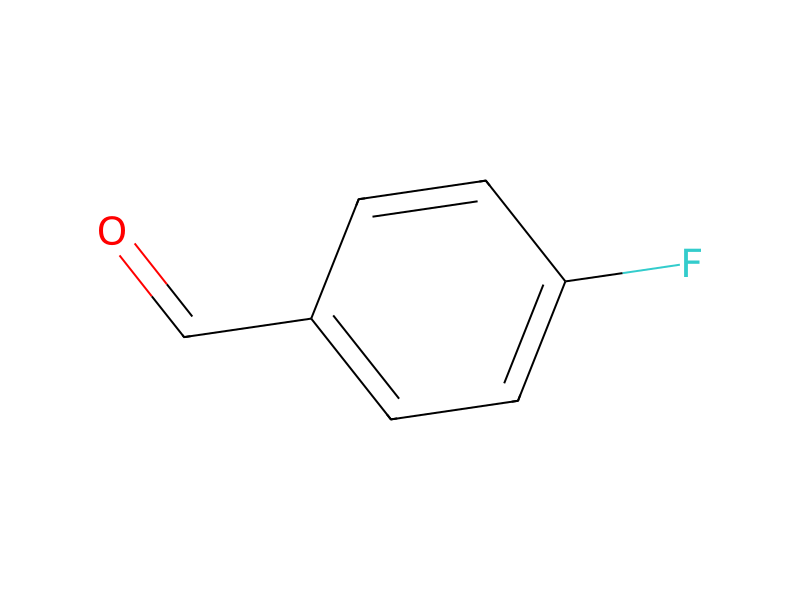

Product 1

Reagents, catalysts & solvents 2


Procedure
A mixture of 2-(N-(5-chloro-2-methoxybenzoyl)amino)ethanol (4.5 g), potassium carbonate (5 g) and 4-fluorobenzaldehyde (2.5 g, 2.16 ml) were heated at 100° C. in dry dimethylsulphoxide (50 ml) for 18 hours. The mixture was cooled, diluted with water and extracted with diethyl ether containing a little methanol. The organic layers were combined, dried (MgSO4) and evaporated. The residual oil was chromatographed on silica gel with 2% methanol in dichloromethane as solvent to afford the title compound as an oil.
Workup
- temperatureThe mixture was cooled
- extractionextracted with diethyl ether containing a little methanol
- dry with materialdried (MgSO4)
- customevaporated
- customThe residual oil was chromatographed on silica gel with 2% methanol in dichloromethane as solvent
Sources & evidence
- ORD record
- ord-f05ce85363c245d59f84176d5121f775
- Source dataset
- uspto-grants-1995_12
- Patent number
- US05478851
Reaction notes
Loading…