Acetic Acid → HCID 10330528, compound
Reaction equation

[C:1]1([C@@H:7]2[CH2:12][CH2:11][CH2:10][NH:9][CH2:8]2)[CH:6]=[CH:5][CH:4]=[CH:3][CH:2]=1.C(O)(=O)C.[CH:17](=O)[CH2:18][CH3:19].C(O[BH-](OC(=O)C)OC(=O)C)(=O)C.[Na+]>ClCCl.O>[C:1]1([C@@H:7]2[CH2:12][CH2:11][CH2:10][N:9]([CH2:17][CH2:18][CH3:19])[CH2:8]2)[CH:6]=[CH:5][CH:4]=[CH:3][CH:2]=1Participants
7
Reactant 4

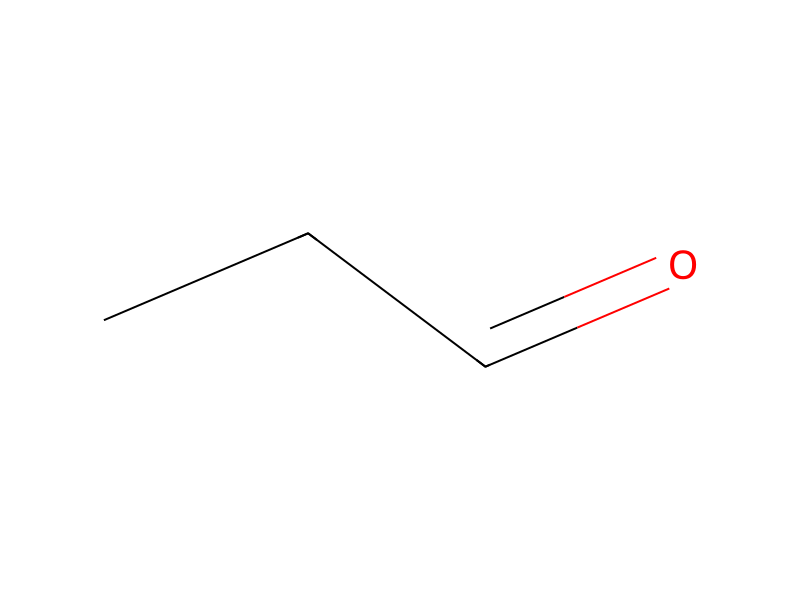


Product 1

Reagents, catalysts & solvents 2


Procedure
1 g (6.2 mmol) of commercially available (S)-3-phenylpiperidine was dissolved in dichloromethane and 0.37 ml acetic acid (6.51 mmol). After addition of 0.5 ml of propanal (6.93 mmol) and 1.97 g of sodium triacetoxyborohydride (9.3 mmol), the reaction mixture was stirred at room temperature for 18 h. Water was added, the layers separated, and the aqueous phase extracted with dichloromethane. The combined organic layers were dried over magnesium sulfate, filtered, and evaporated to dryness to yield 1.1 g of (S)-3-phenyl-1-propyl-piperidine.
Workup
- customthe layers separated
- extractionthe aqueous phase extracted with dichloromethane
- dry with materialThe combined organic layers were dried over magnesium sulfate
- filtrationfiltered
- customevaporated to dryness
Sources & evidence
- ORD record
- ord-3225d8c0c86240c8b8976c9be07becb0
- Source dataset
- uspto-grants-2010_12
- Patent number
- US07851463B2
Reaction notes
Loading…