Toluene → Tirbanibulin
Reaction equation

[O:1]1[CH2:6][CH2:5][N:4]([CH2:7][CH2:8][O:9][C:10]2[CH:15]=[CH:14][C:13]([C:16]3[CH:17]=[CH:18][C:19]([CH2:22][C:23](OC)=[O:24])=[N:20][CH:21]=3)=[CH:12][CH:11]=2)[CH2:3][CH2:2]1.[CH2:27]([NH2:34])[C:28]1[CH:33]=[CH:32][CH:31]=[CH:30][CH:29]=1.C1(C)C=CC=CC=1.CCCCCCC>C1(OC)C=CC=CC=1>[CH:31]1[CH:30]=[CH:29][C:28]([CH2:27][NH:34][C:23]([CH2:22][C:19]2[CH:18]=[CH:17][C:16]([C:13]3[CH:14]=[CH:15][C:10]([O:9][CH2:8][CH2:7][N:4]4[CH2:3][CH2:2][O:1][CH2:6][CH2:5]4)=[CH:11][CH:12]=3)=[CH:21][N:20]=2)=[O:24])=[CH:33][CH:32]=1Participants
6
Reactant 4




Product 1

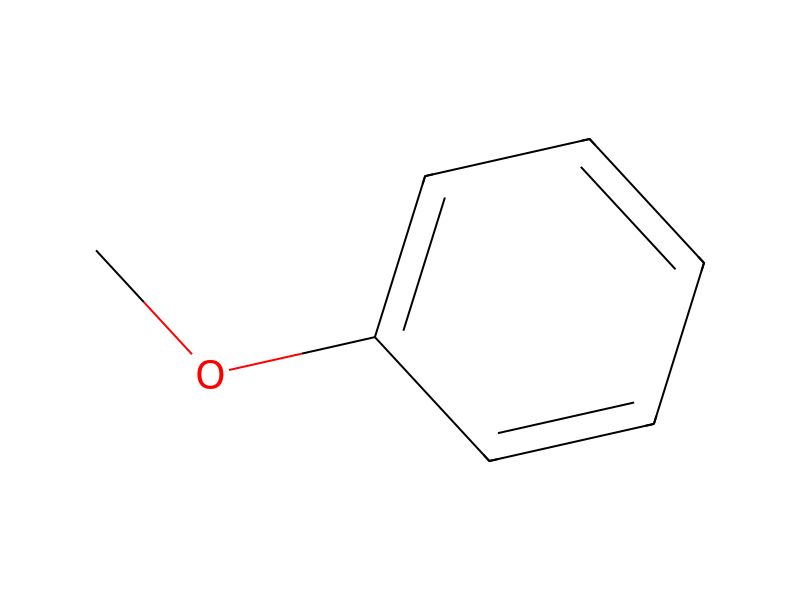
Reagents, catalysts & solvents 1
Conditions
- Temperature
- 150 °C
Procedure
The procedure for the amide formation described for the medium scale reaction worked well on large scale. Methyl ester 7 and benzylamine (3 equiv.) were dissolved in anisole and heated at 150° C. for almost 2 days. However, the isolation of the product using the medium-scale procedure can result in a solid mass of product. To avoid this issue, the reaction mixture was not cooled to room temperature, but cooled to 45-50° C. before adding the anti-solvent. Toluene and heptane were used as anti-solvent in the original procedure. Using n-heptane alone provided adequate purity and increased yields from 81 to 90%. Further, the use of a single isomer of heptane was essential to adequately quantitate the residual solvent.
Workup
- customcan result in a solid mass of product
- temperaturethe reaction mixture was not cooled to room temperature
- temperaturecooled to 45-50° C.
- additionbefore adding the anti-solvent
- customyields from 81 to 90%
Sources & evidence
- ORD record
- ord-a876f48ac9a8462c851ba85c1ab68473
- Source dataset
- uspto-grants-2010_12
- Patent number
- US07851470B2
Reaction notes
Loading…