Bromine → 6-Amino-9-benzyl-8-bromo-2-(3-hydroxypropoxy)purine
Reaction equation

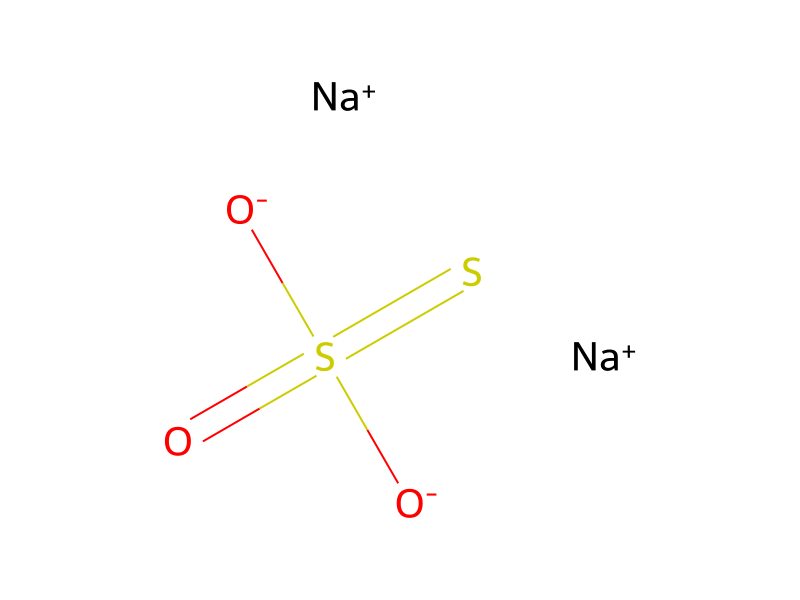
[NH2:1][C:2]1[N:10]=[C:9]([O:11][CH2:12][CH2:13][CH2:14][OH:15])[N:8]=[C:7]2[C:3]=1[N:4]=[CH:5][N:6]2[CH2:16][C:17]1[CH:22]=[CH:21][CH:20]=[CH:19][CH:18]=1.[Br:23]Br.S([O-])([O-])(=O)=S.[Na+].[Na+]>C(Cl)Cl>[NH2:1][C:2]1[N:10]=[C:9]([O:11][CH2:12][CH2:13][CH2:14][OH:15])[N:8]=[C:7]2[C:3]=1[N:4]=[C:5]([Br:23])[N:6]2[CH2:16][C:17]1[CH:22]=[CH:21][CH:20]=[CH:19][CH:18]=1Participants
5




Procedure
6-Amino-9-benzyl-2-(3-hydroxypropoxy)purine (210 mg, 0.7 mmol) and bromine (0.5 ml) were dissolved in methylene chloride (200 ml). The solution was stirred at room temperature for 4 hours. Aqueous sodium thiosulfate was added to the reaction mixture. The organic layer was separated, dried on magnesium sulfate and concentrated in vacuo to dryness. The residue was purified with silica gel chromatography (5% methanol/chloroform) to give the subject compound (143 mg, yield 54%).
Workup
- customThe organic layer was separated
- customdried on magnesium sulfate
- concentrationconcentrated in vacuo to dryness
- customThe residue was purified with silica gel chromatography (5% methanol/chloroform)
Sources & evidence
- ORD record
- ord-eb0388bcdfce41e49f98aa62af845fcc
- Source dataset
- uspto-grants-2001_12
- Patent number
- US06329381B1
Reaction notes
Loading…