Ethyl bromopyruvate → 4-Methyl-2-nitro-phenyl-thiazole-4-carboxylic acid ethyl ester
Reaction equation

[CH3:1][C:2]1[CH:10]=[CH:9][C:5]([C:6]([NH2:8])=[S:7])=[C:4]([N+:11]([O-:13])=[O:12])[CH:3]=1.[CH3:14][CH2:15][O:16][C:17]([C:19]([CH2:21]Br)=O)=[O:18]>CCO.CCOC(C)=O>[CH2:15]([O:16][C:17]([C:19]1[N:8]=[C:6]([C:5]2[CH:9]=[CH:10][C:2]([CH3:1])=[CH:3][C:4]=2[N+:11]([O-:13])=[O:12])[S:7][CH:21]=1)=[O:18])[CH3:14]Participants
5
Reactant 2
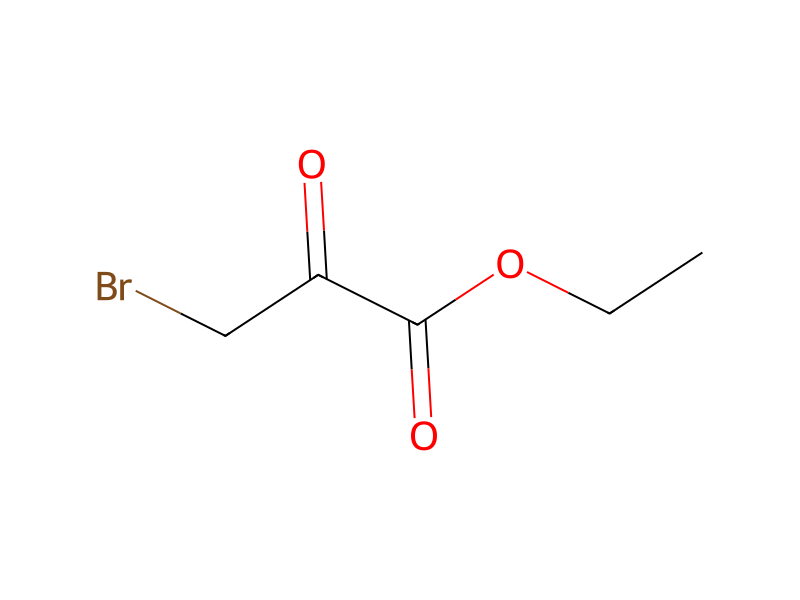

Product 1

Reagents, catalysts & solvents 2


Conditions
- Temperature
- 70 °C
Procedure
4-Methyl-2-nitro-thio benzamide (60 mgs, 0.30 mmol, prepared as described in compound 5, Step 2, was stirred in 1 mL absolute EtOH at room temperature under N2. Ethyl bromo pyruvate (65 mgs, 0.33 mmol) was added, and the resulting solution was heated to 70° C. for 3 h. The reaction was diluted to 30 mL with EtOAc and washed with saturated NaHCO3, and saturated NaCl. The organic layer was dried over MgSO4, filtered and concentrated to a yellow oil, which was used as is in the next step.
Workup
- washwashed with saturated NaHCO3, and saturated NaCl
- dry with materialThe organic layer was dried over MgSO4
- filtrationfiltered
- concentrationconcentrated to a yellow oil, which
Sources & evidence
- ORD record
- ord-0071cf80c814424a9604bf2d5f427a1a
- Source dataset
- uspto-grants-2009_07
- Patent number
- US07560462B2
Reaction notes
Loading…