Pyridine → 3-Benzyl-6-(methoxycarbonyl)-2-thioxo-1,2,3,4-tetrahydroquinazolin-4-one
Reaction equation
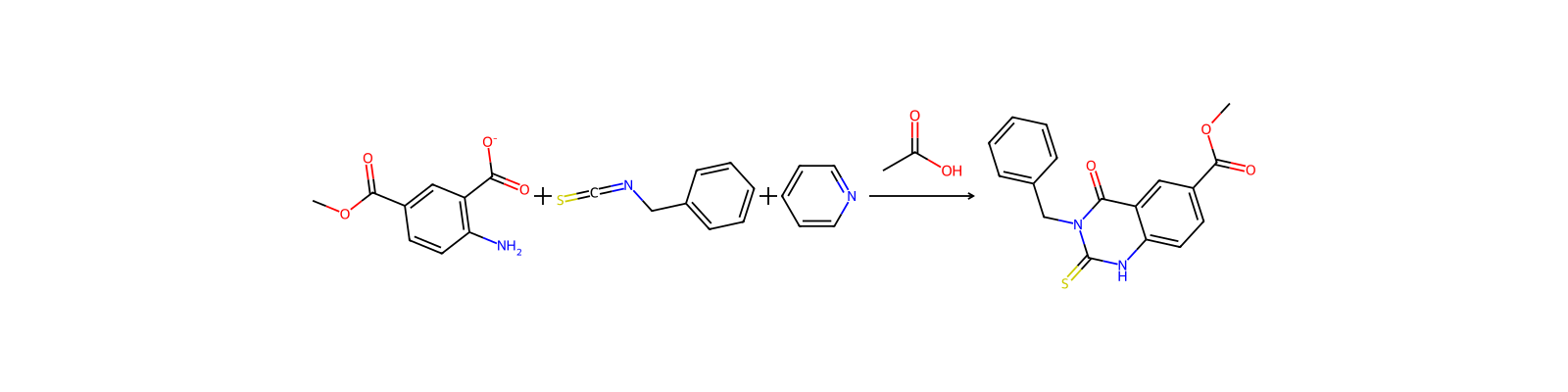
[NH2:1][C:2]1[CH:11]=[CH:10][C:5]([C:6]([O:8][CH3:9])=[O:7])=[CH:4][C:3]=1[C:12]([O-:14])=O.[CH2:15]([N:22]=[C:23]=[S:24])[C:16]1[CH:21]=[CH:20][CH:19]=[CH:18][CH:17]=1.N1C=CC=CC=1>C(O)(=O)C>[CH2:15]([N:22]1[C:12](=[O:14])[C:3]2[C:2](=[CH:11][CH:10]=[C:5]([C:6]([O:8][CH3:9])=[O:7])[CH:4]=2)[NH:1][C:23]1=[S:24])[C:16]1[CH:21]=[CH:20][CH:19]=[CH:18][CH:17]=1Participants


Procedure
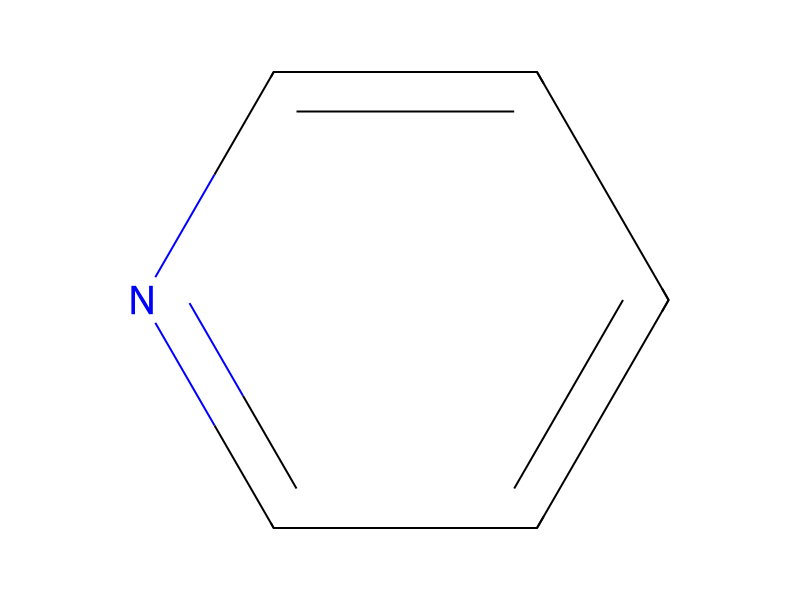
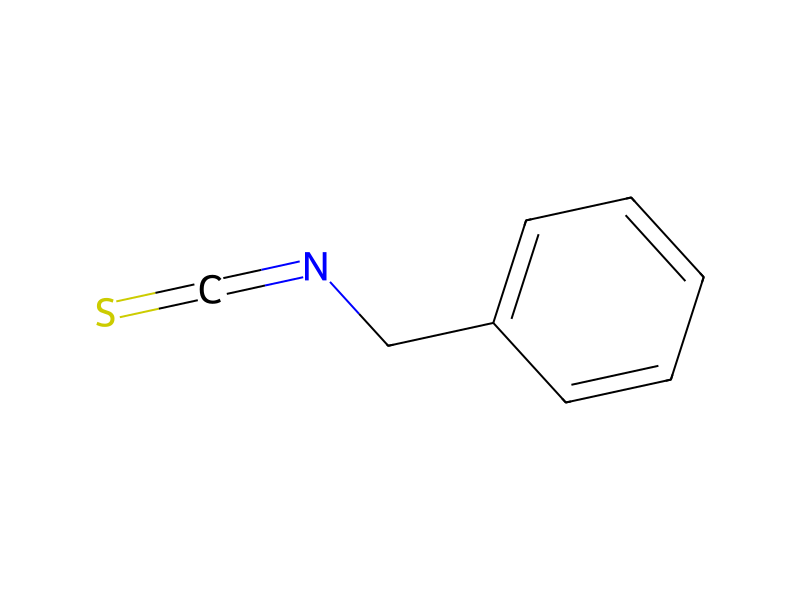
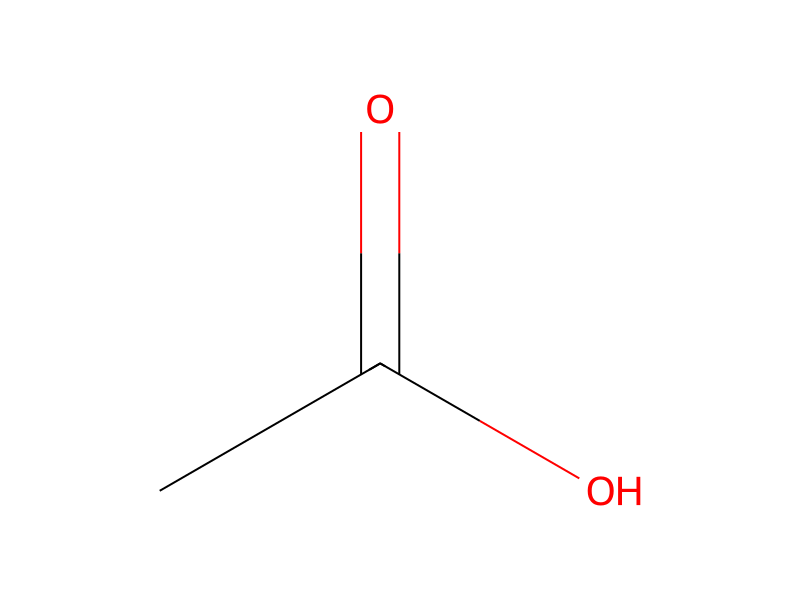
This process is illustrated in Scheme 2 below: Methyl 4-aminoisophthalate (2a) is treated with benzyl isothiocyanate, in a solvent such as pyridine or acetic acid, to give 3-benzyl-6-(methoxycarbonyl)-2-thioxo-1,2,3,4-tetrahydroquinazolin-4-one (2b). This compound is heated, in a refluxing alcohol, in the presence of hydrazine hydrate to give the corresponding hydrazine which is in turn cyclized by reaction with a carboxylic acid derivative R1COOH (such as an acid chloride or an orthoester). The 4-benzyl-7-(methoxycarbonyl)-4,5-dihydrotriazolo[4,3-a]quinazolin-5-one (2d) obtained is N4-debenzylated using aluminium chloride in benzene, and the intermediate secondary lactam is then substituted with a halide, in the presence of a base such as cesium carbonate, in a solvent such as dimethylformamide. The N-substituted analogue obtained (2f) is then hydrolysed, preferably in acidic medium, to give the corresponding acid (2g) which may be subsequently subjected to a coupling reaction of peptide type.
Sources & evidence
- ORD record
- ord-fa49c3f4e60f4f6896bc658a5dd8a849
- Source dataset
- uspto-grants-2005_02
- Patent number
- US06849637B2
Reaction notes
Loading…