Cesium carbonate → cis-4-(3-Chlorophenyl)-2,6-dimethylmorpholine
Reaction equation

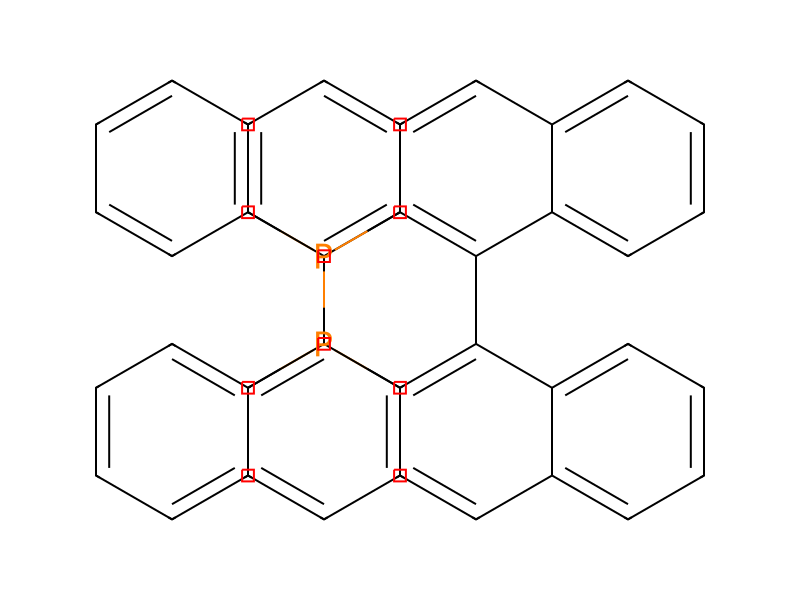
[Cl:1][C:2]1[CH:7]=[CH:6][CH:5]=[C:4](I)[CH:3]=1.[CH3:9][C@H:10]1[O:15][C@@H:14]([CH3:16])[CH2:13][NH:12][CH2:11]1.C(=O)([O-])[O-].[Cs+].[Cs+].C1C=CC(P(C2C(C3C(P(C4C=CC=CC=4)C4C=CC=CC=4)=CC=C4C=3C=CC=C4)=C3C(C=CC=C3)=CC=2)C2C=CC=CC=2)=CC=1>O1CCOCC1.C([O-])(=O)C.[Pd+2].C([O-])(=O)C>[Cl:1][C:2]1[CH:3]=[C:4]([N:12]2[CH2:11][C@H:10]([CH3:9])[O:15][C@H:14]([CH3:16])[CH2:13]2)[CH:5]=[CH:6][CH:7]=1Participants






Conditions
- Temperature
- 130 °C
Procedure
1-Chloro-3-iodobenzene (3.09 g, 12.96 mmol) was dissolved in 1,4-dioxane (50 mL). To this was added cis-2,6-dimethylmorpholine (1.492 g, 12.96 mmol), caesium carbonate (6.33 g, 19.44 mmol) and BINAP (1.210 g, 1.944 mmol) and the solution was degassed by sonication under argon. To this was added palladium(II) acetate (0.145 g, 0.648 mmol) and the solution was refluxed at 130° C. under argon overnight. Crude LC/MS showed desired product and no starting material so the reaction mixture was filtered through celite, eluting with ethyl acetate. The filtrate was diluted with water and the aqueous phase was separated and re-extracted using ethyl acetate (×3). The combined organic layers were washed with brine, separated, dried over magnesium sulphate, filtered and concentrated under pressure. The residue was dissolved in dichloromethane (˜10 ml) and purified on silica by using a Biotage SP4 chromatographic system (65i cartridge, eluted with 0-35% ethyl acetate in isohexanes). Fractions containing pure product were combined and concentrated under reduced pressure to give the title compound as a yellow oil (1.785 g, 7.51 mmol, 58.0% yield). LC/MS [M+H]+=226/228.
Workup
- customthe solution was degassed by sonication under argon
Sources & evidence
- ORD record
- ord-6ff533453f244b5c84815a6a93230ef3
- Source dataset
- uspto-grants-2015_09
- Patent number
- US09133178B2
Reaction notes
Loading…