Hydrochloric Acid → (4-tert-Butylphenyl)(3,4-dimethoxyphenyl)methanone
Reaction equation

[C:1]([C:5]1[CH:13]=[CH:12][C:8]([C:9](Cl)=[O:10])=[CH:7][CH:6]=1)([CH3:4])([CH3:3])[CH3:2].[C:14]1([O:22][CH3:23])[C:15](=[CH:18][CH:19]=[CH:20][CH:21]=1)[O:16][CH3:17].[Cl-].[Al+3].[Cl-].[Cl-].Cl>C(Cl)Cl>[CH3:17][O:16][C:15]1[CH:18]=[C:19]([CH:20]=[CH:21][C:14]=1[O:22][CH3:23])[C:9]([C:8]1[CH:12]=[CH:13][C:5]([C:1]([CH3:4])([CH3:3])[CH3:2])=[CH:6][CH:7]=1)=[O:10]Participants


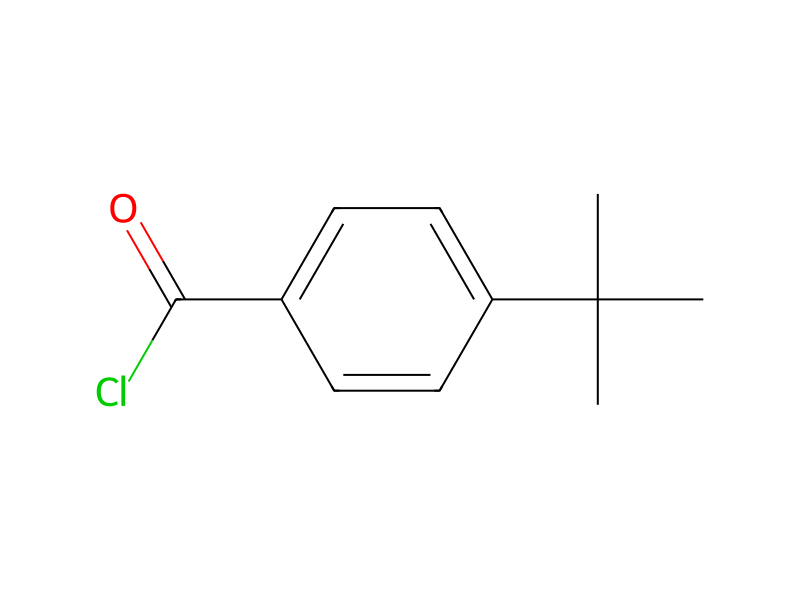



Procedure
To a 2 L three-neck flask was added 4-t-butylbenzoyl chloride (100 mL), veratrole (70 mL) and methylene chloride (800 mL). The flask was seated in ice bath. Anhydrous aluminum chloride (100 g) was added to the flask through a solid addition funnel slowly. The mixture was stirred at room temperature for 1 hour and then poured into ice water (1 L). Hydrochloric acid (12N, 150 mL) was added to the mixture. The bottom layer was isolated. The top layer was further extracted with methylene chloride twice (400+200 mL). The combined organic layers were washed with brine (200 mL) and filtered over magnesium sulfate. The final solution was condensed to an oily residue and the residue was dried in vacuum oven to provide 150 g waxy 3,4-dimethoxy-4′-t-butylbenzophenone.
Workup
- customThe bottom layer was isolated
- extractionThe top layer was further extracted with methylene chloride twice (400+200 mL)
- washThe combined organic layers were washed with brine (200 mL)
- filtrationfiltered over magnesium sulfate
- customcondensed to an oily residue
- customthe residue was dried in vacuum oven
Sources & evidence
- ORD record
- ord-c5d36a67afa14f998361dab22e1ebaef
- Source dataset
- uspto-grants-2015_09
- Patent number
- US09139552B2
Reaction notes
Loading…