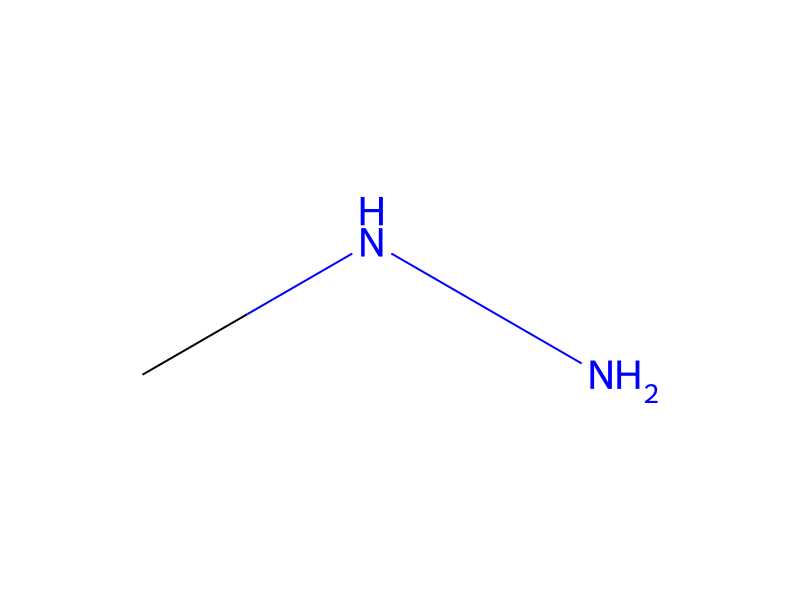
Methylhydrazine → Ethyl 5-(4-chlorobutyl)-1-methyl-1H-pyrazole-3-carboxylate
Reaction equation

[Cl:1][CH2:2][CH2:3][CH2:4][CH2:5][C:6](=O)[CH3:7].[C:9](OCC)(=O)[C:10]([O:12][CH2:13][CH3:14])=[O:11].[CH3:19][NH:20][NH2:21]>>[Cl:1][CH2:2][CH2:3][CH2:4][CH2:5][C:6]1[N:20]([CH3:19])[N:21]=[C:9]([C:10]([O:12][CH2:13][CH3:14])=[O:11])[CH:7]=1Participants
4


Procedure
Ethyl 5-(4-chlorobutyl)-1-methyl-1H-pyrazole-3-carboxylate was prepared from 6-chloro-2-hexanone (50.0 g, 357 mmol) and diethyl oxalate (48.4 mL, 357 mmol) according to the procedure described in Part A of Example 19 using methyl hydrazine (19.0 mL, 357 mmol) in place of ethylhydrazine oxalate. Ethyl 5-(4-chlorobutyl)-1-methyl-1H-pyrazole-3-carboxylate was isolated as a dark oil that was used without purification in the next step.
Sources & evidence
- ORD record
- ord-0f655df7f57f481ebda68f5df3719cf6
- Source dataset
- uspto-grants-2015_09
- Patent number
- US09145410B2
Reaction notes
Loading…