4-Chlorophenol → Ethyl 4-(4-chlorophenoxy)-3-oxobutanoate
Reaction equation

[Cl:1][C:2]1[CH:7]=[CH:6][C:5]([OH:8])=[CH:4][CH:3]=1.[H-].[Na+].Cl[CH2:12][C:13](=[O:20])[CH2:14][C:15]([O:17][CH2:18][CH3:19])=[O:16].ClC1C=CC([O-])=CC=1.[Na+].ClCC(=O)CC([O-])=O.NN>C1COCC1.C(O)C.CN(C=O)C>[Cl:1][C:2]1[CH:7]=[CH:6][C:5]([O:8][CH2:12][C:13](=[O:20])[CH2:14][C:15]([O:17][CH2:18][CH3:19])=[O:16])=[CH:4][CH:3]=1Participants
Reactant 6
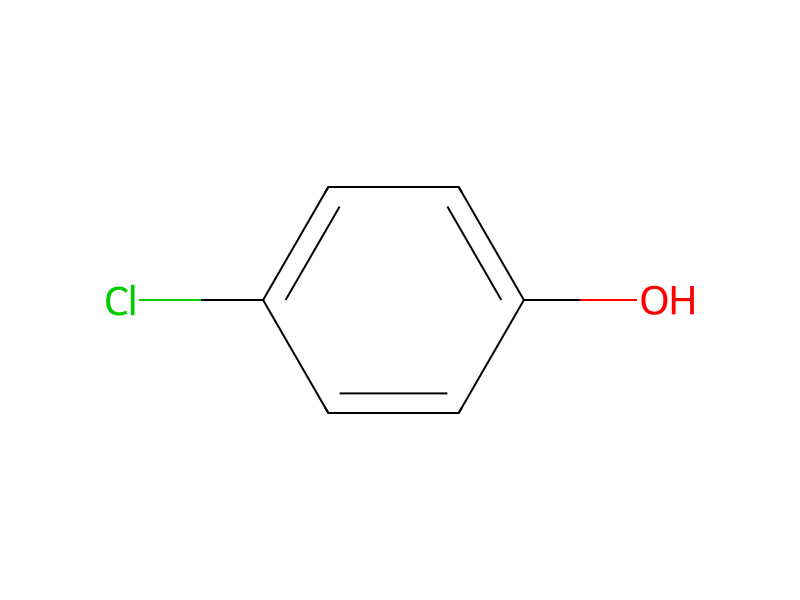




Product 1

Reagents, catalysts & solvents 3



Conditions
- Temperature
- 70 °C
Procedure
A solution of 4-chlorophenol (6.4 g, 50 mmol) in THF (25 mL) was treated with NaH (60% in mineral oil, 2 g, 50 mmol) at 0° C. In another flask, a solution of ethyl 4-chloroacetoacetate (10.21 mL, 75 mmol) in THF (25 mL) was treated NaH (60% in mineral oil, 3.5 g, 75 mmol) at −20° C. The resulting yellowish suspension was slowly added to the solution of sodium 4-chlorophenoxide, which was kept at 0° C. After the addition of DMF (10 mL), the reaction temperature was slowly raised to 70° C. After reaction mixture was stirred at 70° C. for overnight, it was cooled and evaporated to dryness. The residue was purified by flash column chromatography (ethyl acetate/hexanes=1/9) to afford TC-II-148 as a yellowish oil, which still contained some 4-chloroacetoacetate. No further purification was applied for the next step of synthesis. Exposure to hydrazine in refluxing ethanol, generated TC-II-150.
Workup
- customwas kept at 0° C
- customAfter reaction mixture
- temperatureit was cooled
- customevaporated to dryness
- customThe residue was purified by flash column chromatography (ethyl acetate/hexanes=1/9)
- customto afford TC-II-148 as a yellowish oil, which
- customNo further purification
- customwas applied for the next step of synthesis
Sources & evidence
- ORD record
- ord-f2bb8fb9ec0949b7a51d3fdf731bb9fe
- Source dataset
- uspto-grants-2015_09
- Patent number
- US09145424B2
Reaction notes
Loading…