Hydrochloric Acid → Hydrochloric Acid
Reaktionsgleichung

[N+:1]([C:4]1[C:5]([NH:10][CH2:11][CH2:12][CH2:13][NH:14]C(=O)OC(C)(C)C)=[N:6][CH:7]=[CH:8][CH:9]=1)([O-:3])=[O:2].[ClH:22].C(OC(C)C)(C)C>O1CCOCC1.O>[N+:1]([C:4]1[C:5]([NH:10][CH2:11][CH2:12][CH2:13][NH2:14])=[N:6][CH:7]=[CH:8][CH:9]=1)([O-:3])=[O:2].[ClH:22]Komponenten
7
Edukt 3

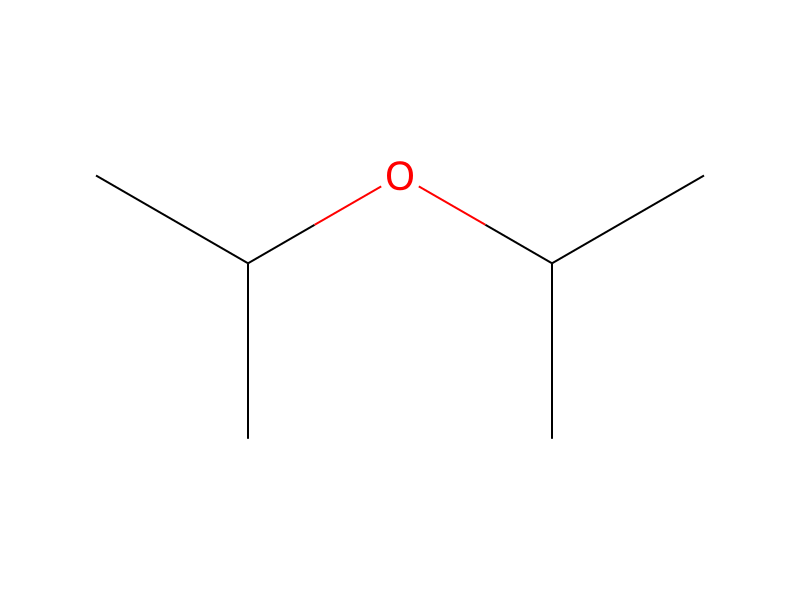

Produkt 2

Reagenzien, Katalysatoren, Lösungsmittel 2


Versuchsvorschrift
To tert-butyl (3-((3-nitropyridin-2-yl)amino)propyl)carbamate (C42, 53 mg), a 4.0 mol/L solution of hydrochloric acid in dioxane (2 mL) and water (100 μL) were added at room temperature, and the mixture was stirred at the same temperature for 1 hour. To the reaction mixture, diisopropyl ether were added, the solvent was removed by decantation, and then the residue was dried under reduced pressure to obtain N1-(3-nitropyridin-2-yl)propane-1,3-diamine (C43) hydrochloride (113 mg).
Aufarbeitung
- customthe solvent was removed by decantation
- customthe residue was dried under reduced pressure
Quellen und Nachweise
- ORD-Eintrag
- ord-3be6e219e4684fb4921419e01949fbc2
- Quelldatensatz
- uspto-grants-2015_09
- Patentnummer
- US09145415B2
Notizen zur Reaktion
Wird geladen…