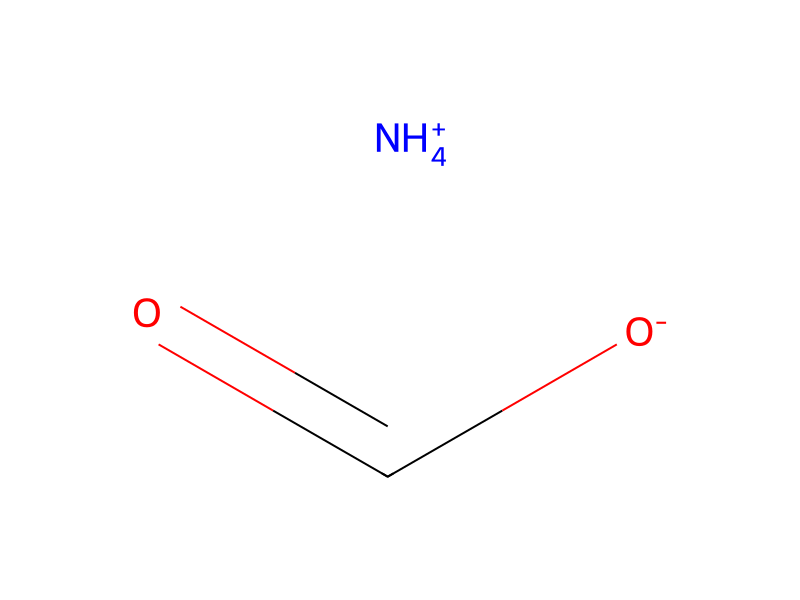
Ammonium formate → 4-(propylamino)-2-((2-(pyridin-4-yl)ethyl)amino)-N-(pyrrolidin-3-yl)pyrimidine-5-carboxamide
Reaction equation

C([O-])=O.[NH4+].C([N:12]1[CH2:16][CH2:15][CH:14]([NH:17][C:18]([C:20]2[C:21]([NH:35][CH2:36][CH2:37][CH3:38])=[N:22][C:23]([NH:26][CH2:27][CH2:28][C:29]3[CH:34]=[CH:33][N:32]=[CH:31][CH:30]=3)=[N:24][CH:25]=2)=[O:19])[CH2:13]1)C1C=CC=CC=1>CO.[C].[Pd]>[CH2:36]([NH:35][C:21]1[C:20]([C:18]([NH:17][CH:14]2[CH2:15][CH2:16][NH:12][CH2:13]2)=[O:19])=[CH:25][N:24]=[C:23]([NH:26][CH2:27][CH2:28][C:29]2[CH:30]=[CH:31][N:32]=[CH:33][CH:34]=2)[N:22]=1)[CH2:37][CH3:38]Participants
Reactant 2

Product 1

Reagents, catalysts & solvents 2


Procedure
To a suspension of 10% palladium-carbon (12 mg) in methanol (1 mL), a solution of ammonium formate (64 mg) and N-(1-benzylpyrrolidin-3-yl)-4-(propylamino)-2-((2-(pyridin-4-yl)ethyl)amino)pyrimidine-5-carboxamide (E9, 117 mg) in methanol (4 mL) was added at room temperature, and the mixture was stirred for 5 hours and 30 minutes under reflux by heating. The reaction mixture was cooled to room temperature, and then methanol was added to the mixture. The insoluble matter was removed by filtration through Cerite, and then the solvent was evaporated under reduced pressure. The obtained residue was purified by basic silica gel column chromatography to obtain 4-(propylamino)-2-((2-(pyridin-4-yl)ethyl)amino)-N-(pyrrolidin-3-yl)pyrimidine-5-carboxamide (E10, 85 mg).
Workup
- temperatureunder reflux
- temperatureby heating
- customThe insoluble matter was removed by filtration through Cerite
- customthe solvent was evaporated under reduced pressure
- customThe obtained residue was purified by basic silica gel column chromatography
Sources & evidence
- ORD record
- ord-92cc3c6f3efc45ba99dedde152812f74
- Source dataset
- uspto-grants-2015_09
- Patent number
- US09145415B2
Reaction notes
Loading…