Water → 2-chloro-5-iodo-N-propylpyrimidin-4-amine
Reaction equation

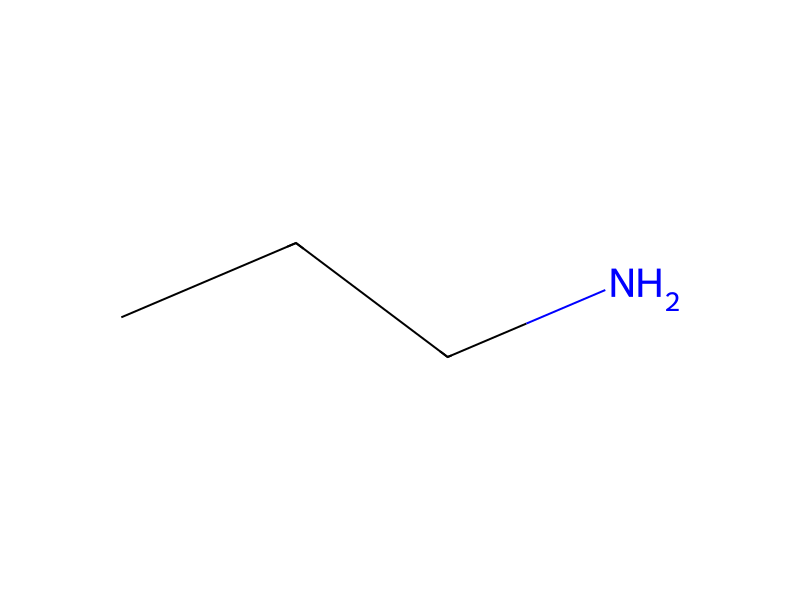
[Cl:1][C:2]1[N:7]=[C:6](Cl)[C:5]([I:9])=[CH:4][N:3]=1.C([N:13]([CH2:17][CH3:18])C(C)C)(C)C.O.[C:20](OCC)(=O)C>O1CCCC1.C(N)CC>[Cl:1][C:2]1[N:7]=[C:6]([NH:13][CH2:17][CH2:18][CH3:20])[C:5]([I:9])=[CH:4][N:3]=1Participants






Procedure
To a solution of 2,4-dichloro-5-iodopyrimidine (5.77 g) synthesized according to the method described in WO2008/155140 A1 and N,N-diisopropylethylamine (7.86 mL) in tetrahydrofuran (83 mL), propylamine (3.55 mL) was added under ice cooling, and the mixture was stirred at room temperature for 1 hour. To the reaction mixture, water and ethyl acetate were added. The organic layer was separated, and the aqueous layer was extracted with ethyl acetate. The organic layer and the extract were combined, washed successively with 1.0 mol/L aqueous hydrochloric acid, water, saturated aqueous sodium hydrogencarbonate and saturated aqueous sodium chloride, and then dried over anhydrous magnesium sulfate. The solvent was evaporated under reduced pressure to obtain oily 2-chloro-5-iodo-N-propylpyrimidin-4-amine (F1, 6.44 g).
Workup
- additionwas added under ice cooling
- customThe organic layer was separated
- extractionthe aqueous layer was extracted with ethyl acetate
- washwashed successively with 1.0 mol/L aqueous hydrochloric acid, water, saturated aqueous sodium hydrogencarbonate and saturated aqueous sodium chloride
- dry with materialdried over anhydrous magnesium sulfate
- customThe solvent was evaporated under reduced pressure
Sources & evidence
- ORD record
- ord-bdc926fcd0d3435fab79dd345a7202b3
- Source dataset
- uspto-grants-2015_09
- Patent number
- US09145415B2
Reaction notes
Loading…