Hydrochloric Acid → HCID 20451707, compound
Reaction equation

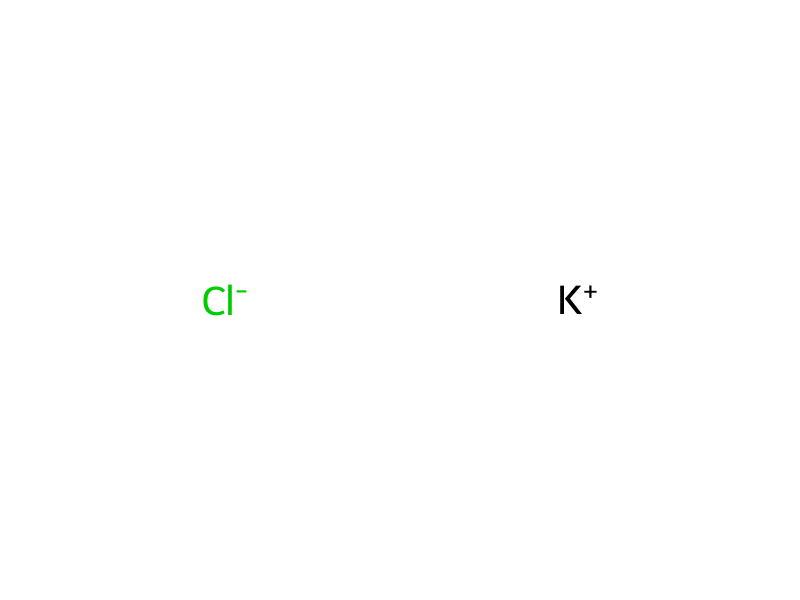
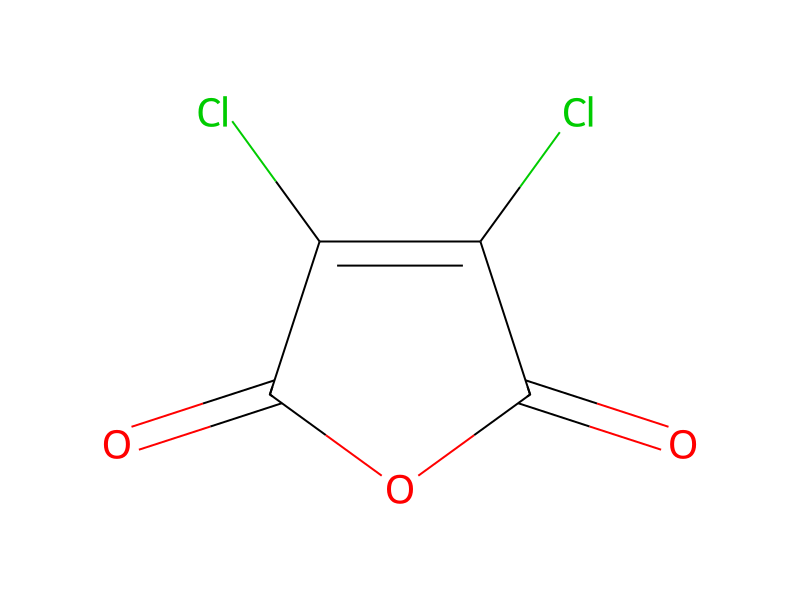
[Al+3].[Cl-].[Cl-].[Cl-].[Na+].[Cl-].[Cl-].[K+].Cl[C:10]1=[C:11]([Cl:17])[C:12]([O:14][C:15]1=[O:16])=[O:13].[C:18]1([CH3:25])[CH:23]=[CH:22][CH:21]=[C:20]([CH3:24])[CH:19]=1.Cl>O>[O:13]=[C:12]1[C:21]2[C:22](=[CH:23][C:18]([CH3:25])=[CH:19][C:20]=2[CH3:24])[C:10]([C:15]([OH:14])=[O:16])=[C:11]1[Cl:17]Participants






Procedure
A mixture consisting of 88 g of powdered, anhydrous AlCl3, 16 g of NaCl, 5.4 g of KCl and 16.7 g (0.1 mol) of dichloromaleic anhydride is initially introduced into a stirred flask provided with a HCl outlet and is heated at 90°-100° C. for a short time (until it has melted). 10.6 g (0.1 mol) of m-xylene are added at 70°-75° C. in the course of 45 minutes. After stirring for a further 30 minutes at 75°-80° C., the melt is introduced into a mixture of 25 ml of concentrated hydrochloric acid, water and ice (final volume about 1 liter) and the product is filtered off. After washing with water and drying in vacuo at 60° C., 23.0 g (97% of theory) of yellow-orange 1-oxo-2-chloro-5,7-dimethyl-indene-3-carboxylic acid are obtained. According to the thin layer chromatogram, the product contains only slight impurities and can therefore be used direct for further reactions. When recrystallised from ethyl acetate, the product melts at 255°-256° C.
Workup
- additionis initially introduced into a stirred flask
- customprovided with a HCl outlet
- temperatureis heated at 90°-100° C. for a short time (until it has melted)
- filtrationis filtered off
- washAfter washing with water
- customdrying in vacuo at 60° C.
Sources & evidence
- ORD record
- ord-56fd6afd3d4a4252a0a45ef10851c966
- Source dataset
- uspto-grants-1982_04
- Patent number
- US04323701
Reaction notes
Loading…