Aniline → 2,4-Dioxo-1-phenyl-1,2,3,4-tetrahydropyrimidine-5-carbonitrile
Reaction equation

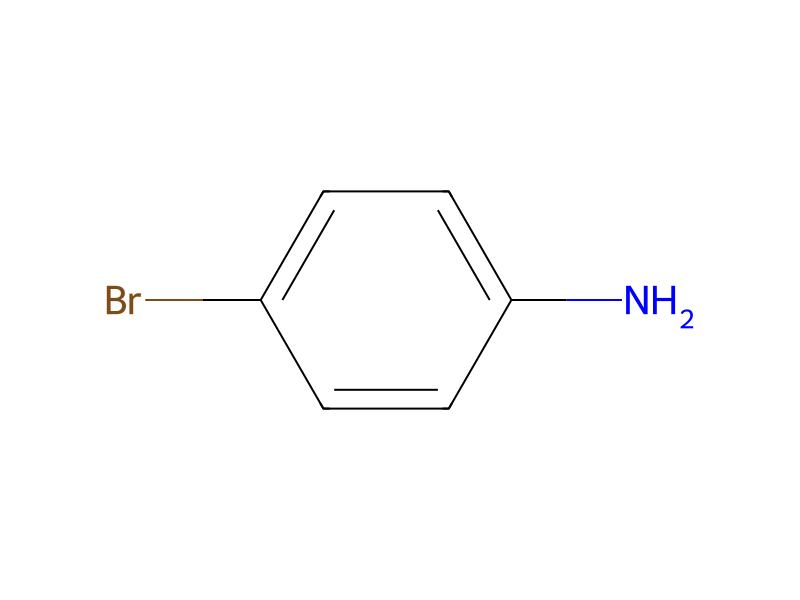
[NH2:1][C:2]1[CH:7]=[CH:6][CH:5]=[CH:4][CH:3]=1.[Br:8][C:9]1[CH:15]=[CH:14][C:12]([NH2:13])=[CH:11][CH:10]=1.[C:16]([C:18](=[CH:27]OCC)[C:19]([NH:21][C:22](OCC)=[O:23])=[O:20])#[N:17]>>[C:16]([C:18]1[C:19](=[O:20])[NH:21][C:22](=[O:23])[N:1]([C:2]2[CH:7]=[CH:6][CH:5]=[CH:4][CH:3]=2)[CH:27]=1)#[N:17].[C:16]([C:18]1[C:19](=[O:20])[NH:21][C:22](=[O:23])[N:13]([C:12]2[CH:14]=[CH:15][C:9]([Br:8])=[CH:10][CH:11]=2)[CH:27]=1)#[N:17]Participants
5



Procedure
Following procedures hereinabove, each of aniline and 4-bromoaniline is reacted with α-cyano-β-ethoxy-N-ethoxycarbonylacrylamide and cyclized to yield 5-cyano-1-phenyluracil, m.p. 290°, and 5-cyano-1-(4-bromophenyl)uracil, m.p. 257°-260°. The foregoing two compounds have been reported by Atkinson et al., J. Chem. Soc. 4118-4123 (1956) and Senda et al., Chem Pharm. Bull. 22(1), 189-195 (1974), respectively.
Sources & evidence
- ORD record
- ord-e3014f88f4724b5bbc1486ecaa6cff61
- Source dataset
- uspto-grants-1981_05
- Patent number
- US04266056
Reaction notes
Loading…