Hydrochloric Acid → 2-(4-Fluoro-3-phenoxyphenyl)-2-hydroxyacetonitrile
Reaction equation

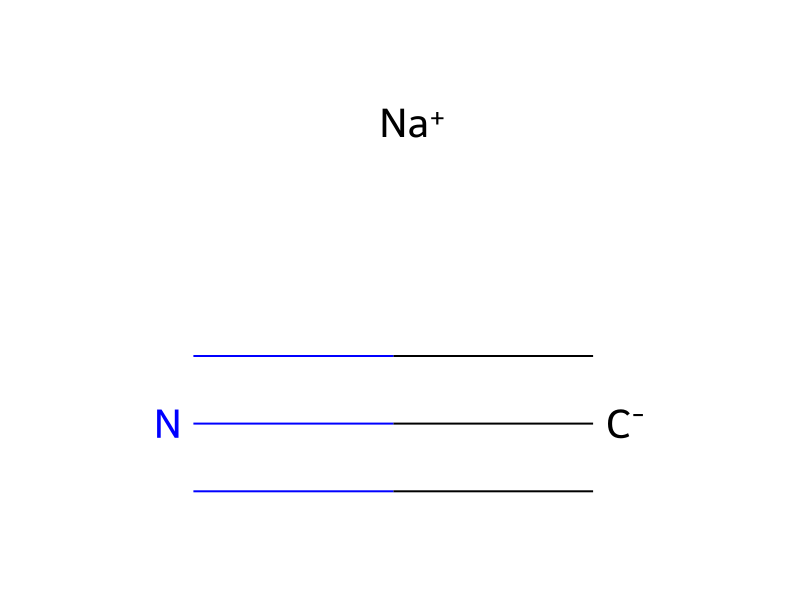
[F:1][C:2]1[CH:9]=[CH:8][C:5]([CH:6]=[O:7])=[CH:4][C:3]=1[O:10][C:11]1[CH:16]=[CH:15][CH:14]=[CH:13][CH:12]=1.[CH2:17]1N2CN3CN(C2)C[N:18]1C3.Cl.[C-]#N.[Na+]>C(O)(=O)C.C(Cl)Cl>[C:17]([CH:6]([OH:7])[C:5]1[CH:8]=[CH:9][C:2]([F:1])=[C:3]([O:10][C:11]2[CH:12]=[CH:13][CH:14]=[CH:15][CH:16]=2)[CH:4]=1)#[N:18]Participants






Procedure
For example, 4-fluoro-3-phenoxy-toluene, when reacted with N-bromosuccinimide in the presence of a radical initiator, for example azodiisobutyronitrile, optionally using a diluent, for example carbon tetrachloride, optionally using a diluent, and 100° C., gives 4-fluoro-3-phenoxy-benzyl bromide. From this, 4-fluoro-3-phenoxy-benzaldehyde can be prepared in a Sommelet reaction, that is to say by reaction with hexamethylenetetramine in the presence of a diluent, for example methylene chloride, at temperatures between 0° and 50° C., followed by reaction with aqueous acetic acid and thereafter with hydrochloric acid, at temperatures between 80° and 120° C. The reaction of 4-fluoro-3-phenoxy-benzaldehyde with sodium cyanide in aqueous acetic acid at 20° C. gives α-cyano-4-fluoro-3-phenoxy-benzyl alcohol. The reaction sequence described above is outlined in the following equations: ##STR11##
Workup
- customat temperatures between 80° and 120° C
Sources & evidence
- ORD record
- ord-11b2f4d551144d3d9a2e189fcc85d723
- Source dataset
- uspto-grants-1981_05
- Patent number
- US04266082
Reaction notes
Loading…