Ammonia → 5-Methoxy-2-thioxodihydropyrimidine-4,6(1H,5H)-dione
Reaction equation

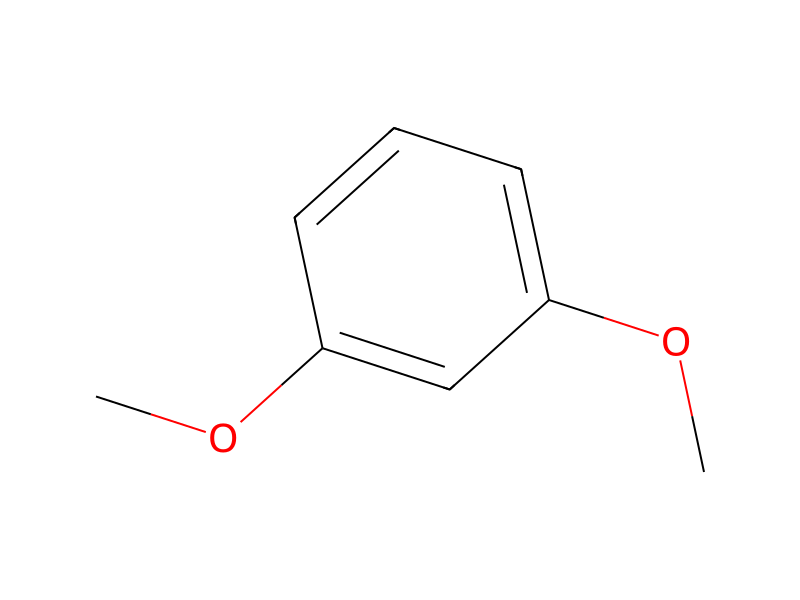
[CH3:1][O:2]C1C=CC=C(OC)C=1.COC1C=CC2C(=CC(OC)=CC=2)C=1.COC1C=CC2C(=CC3C(C=2)=CC=CC=3OC)C=1.N.[Na].[NH:45]1[C:52](=[O:53])[CH2:51][C:49](=[O:50])[NH:48][C:46]1=[S:47]>C(O)C>[CH3:1][O:2][CH:51]1[C:49](=[O:50])[NH:48][C:46](=[S:47])[NH:45][C:52]1=[O:53]Participants
Reactant 6





Product 1

Reagents, catalysts & solvents 1

Procedure
The first step of synthesis of fused ring bridge, ring locked dyes according to the invention is the Birch reduction of 1,3-dimethoxybenzene, 2,7-dimethoxynaphthalene or 2,8-dimethoxyanthracene using ethanol, liquid ammonia and sodium. The reduced compounds are the starting materials for the synthesis of the dyes, as shown below. ##STR15## The Birch reduction products of 1,3-dimethoxybenzene and of 2,7-dimethoxynaphthalene each react with thiobarbituric acid to form the conjugated methoxy-thiobarbituric acid dyes as shown in FIG. 13. For this reaction, no solvent is used. The reactants were melted at 145° C. for 15 min. Methanol condensing at the walls of the flask showed successful reaction. Purification was carried out by simple filtration over a short column of SiO2 with CH2Cl2. Yields were typically around 60%.
Workup
- customThe first step of synthesis of fused ring bridge, ring
- customfor the synthesis of the dyes
Sources & evidence
- ORD record
- ord-1c1fa491b0d64e7aa320733dd01a6e0e
- Source dataset
- uspto-grants-2000_07
- Patent number
- US06090332
Reaction notes
Loading…