Acetophenone → 1-Phenylethanol, (S)-
Reaction equation

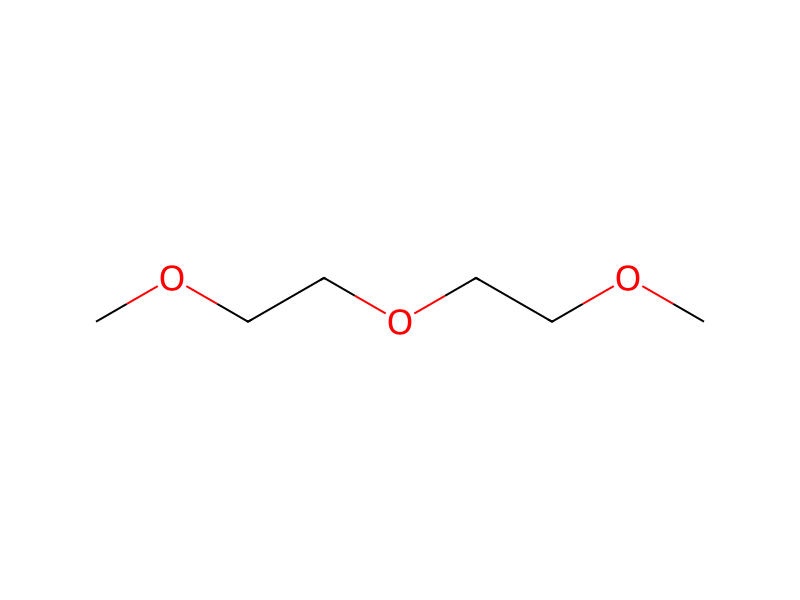
C1([C@@H](N)C)C=CC=CC=1.[C:10]([C:13]1[CH:18]=[CH:17][CH:16]=[CH:15][CH:14]=1)(=[O:12])[CH3:11].C1([C@H](O)C)C=CC=CC=1>COCCOCCOC>[C:13]1([C@@H:10]([OH:12])[CH3:11])[CH:18]=[CH:17][CH:16]=[CH:15][CH:14]=1Participants
5
Reactant 3


Product 1

Reagents, catalysts & solvents 1
Procedure
It is to be understood that for a particular chiral hydride complex, the chiral ligand thereof will produce an enantiomeric excess of a reduction product such that for that particular hydride complex, the use of the same chiral ligand but of the opposite enantiomer will give rise to the reduction product of the opposite stereochemistry. For example, whereas NaAlH2 ((+)-DDM) reduces acetophenone to (R)-1-phenylethan-1-ol in 91% enantiomeric excess (0° C.; 48 h; diglyme), reduction of acetophenone with NaAlH2 ((-)-DDM) under identical conditions will give an enantiomeric excess of (S)-1-phenylethan-1-ol.
Workup
- customthe chiral ligand thereof will produce an enantiomeric excess of a reduction product such that for that particular hydride complex
- customthe use of the same chiral ligand but of the opposite enantiomer will give rise to the reduction product of the opposite stereochemistry
Sources & evidence
- ORD record
- ord-389973a6e509450aa893d5882a31a954
- Source dataset
- uspto-grants-2000_07
- Patent number
- US06090950
Reaction notes
Loading…