Sodium Dithionite → 1,3-Dimethyl-7-(5,6-epoxyhexyl)xanthine
Reaction equation

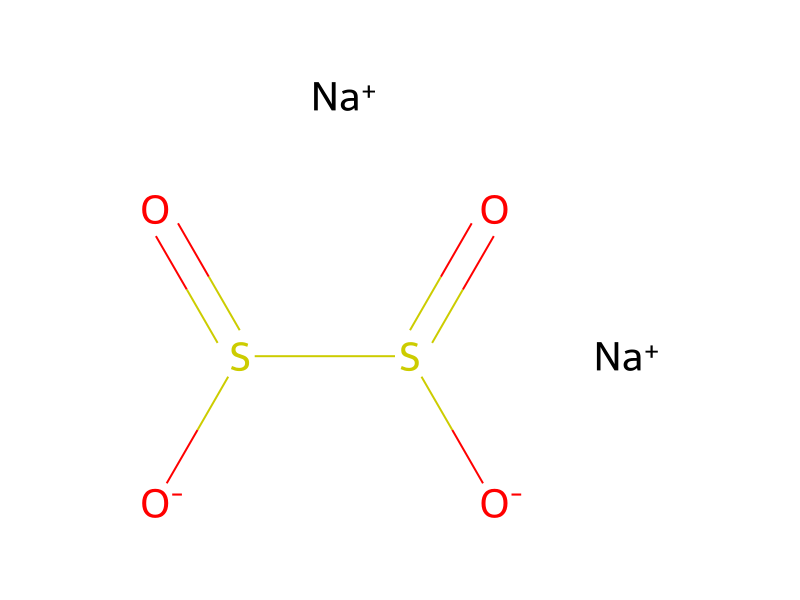
[CH3:1][N:2]1[C:11](=[O:12])[C:10]2[N:9]([CH2:13][CH2:14][CH2:15][CH2:16][CH:17]=[CH2:18])[CH:8]=[N:7][C:6]=2[N:5]([CH3:19])[C:3]1=[O:4].ClC1C=CC=C(C(OO)=[O:28])C=1.S(S([O-])=O)([O-])=O.[Na+].[Na+]>C(Cl)(Cl)Cl>[CH3:1][N:2]1[C:11](=[O:12])[C:10]2[N:9]([CH2:13][CH2:14][CH2:15][CH2:16][CH:17]3[O:28][CH2:18]3)[CH:8]=[N:7][C:6]=2[N:5]([CH3:19])[C:3]1=[O:4]Participants
5
Reactant 3


Product 1

Reagents, catalysts & solvents 1

Procedure
A solution of 31 g of 1,3-dimethyl-7-(5-hexenyl)xanthine and 34.9 g of m-chloroperbenzoic acid (70% pure) in 700 ml of chloroform was stirred at room temperature for 48 hours. The mixture was shaken with 10% strength sodium dithionite solution until the test with starch-iodide paper was negative, and washed with sodium bicarbonate solution and then with water to neutrality, dried and evaporated under reduced pressure.
Workup
- washwashed with sodium bicarbonate solution
- dry with materialwith water to neutrality, dried
- customevaporated under reduced pressure
Sources & evidence
- ORD record
- ord-f9fb5f2784d84f5b99b1d524dc5e629d
- Source dataset
- uspto-grants-1986_10
- Patent number
- US04616020
Reaction notes
Loading…