Methane → HCID 13151641, compound
Reaction equation

C([N:8]1[C:16]2[N:15]=[CH:14][N:13]([CH2:17][CH3:18])[C:12]=2[C:11](=[O:19])[N:10]([CH2:20][CH3:21])[C:9]1=[O:22])C1C=CC=CC=1.C>C(O)(=O)C.[Pd]>[CH2:20]([N:10]1[C:11](=[O:19])[C:12]2[N:13]([CH2:17][CH3:18])[CH:14]=[N:15][C:16]=2[NH:8][C:9]1=[O:22])[CH3:21]Participants
Reactant 2
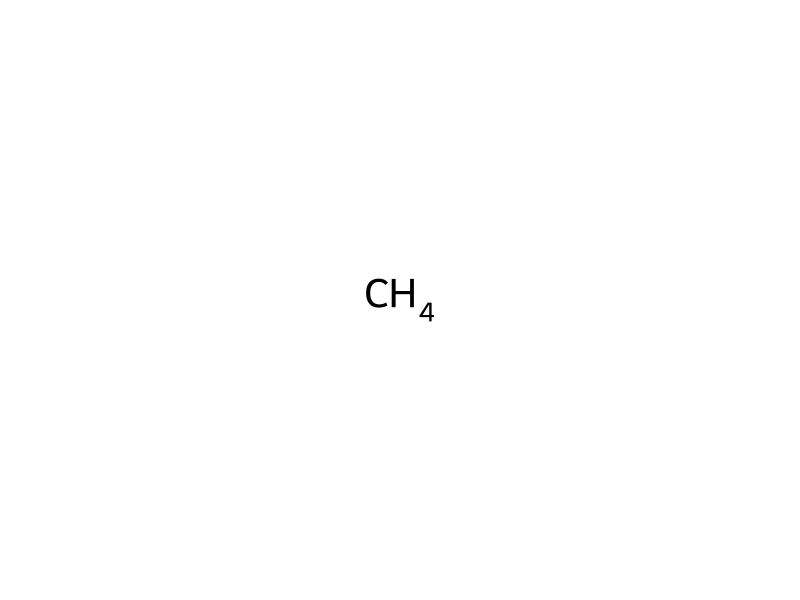

Product 1

Reagents, catalysts & solvents 2


Procedure
18 g of 3-benzyl-1,7-diethylxanthine (melting point 119° C.) in 1,500 ml of glacial acetic acid were hydrogenated in the presence of 2.5 g of 10% palladium on active charcoal at 80° C. and under 3.4 bar while shaking for 47 hours. After cooling down, the mixture was covered with an atmosphere of nitrogen while the catalyst was filtered off and the filtrate was evaporated under reduced pressure. The residue was dissolved in a mixture of 250 ml of methylene chloride and 100 ml of 1N sodium hydroxide solution. After washing the methylene chloride phase again with 1N sodium hydroxide solution, the combined aqueous phases were adjusted to pH 6 by adding 33% strength sulfuric acid dropwise with stirring. After washing to neutrality and drying the precipitate produced, 8.1 g (64.5% of theory) of 1,7-diethylxanthine, of melting point 204°-205° C., were obtained.
Workup
- temperatureAfter cooling down
- filtrationwas filtered off
- customthe filtrate was evaporated under reduced pressure
- dissolutionThe residue was dissolved in a mixture of 250 ml of methylene chloride and 100 ml of 1N sodium hydroxide solution
- washAfter washing the methylene chloride phase again with 1N sodium hydroxide solution
- additionby adding 33% strength sulfuric acid dropwise
- stirringwith stirring
- washAfter washing to neutrality
- customdrying the precipitate
- customproduced
Sources & evidence
- ORD record
- ord-49e3c8f179414fb6a0cd374f76f57f6f
- Source dataset
- uspto-grants-1986_10
- Patent number
- US04616020
Reaction notes
Loading…