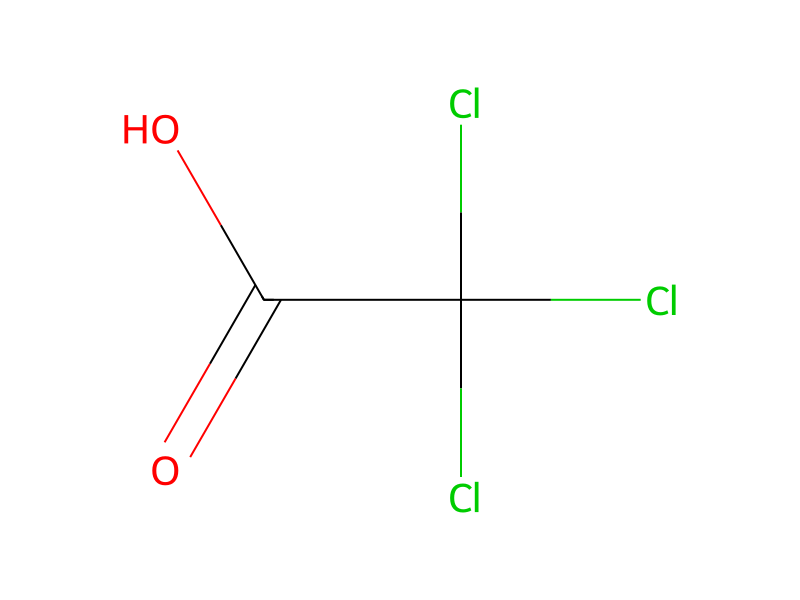
Trichloroacetic Acid → 81733-39-3
Reaction equation

[CH2:1]1[CH:7]([OH:8])[NH:6][P:4]([N:9]([CH2:13][CH2:14][Cl:15])[CH2:10][CH2:11][Cl:12])(=[O:5])[O:3][CH2:2]1.[CH2:16]([O:18][C:19](=[O:22])[NH:20]O)[CH3:17].ClC(Cl)(Cl)C(O)=O>C(Cl)Cl>[CH2:16]([O:18][C:19](=[O:22])[NH:20][O:8][CH:7]1[CH2:1][CH2:2][O:3][P:4]([N:9]([CH2:13][CH2:14][Cl:15])[CH2:10][CH2:11][Cl:12])(=[O:5])[NH:6]1)[CH3:17]Participants
5
Reactant 3


Product 1

Reagents, catalysts & solvents 1

Procedure
550 mg (2 mmol) of 4-hydroxycyclophosphamide and 210 mg (2 mmol) of ethylhydroxycarbamate (hydroxyurethane) are dissolved in 5 ml of dry methylenechloride free of alcohol. A catalytic amount of trichloroacetic acid and molecular sieve 4 A are added thereto. The reaction mixture is allowed to stand at -25° C. for 3 days. Thereafter, the molecular sieve is separated and washed once with a diluted solution of NaHCO3. The methylenechloride phase is dried over sodium sulfate and part of the solvent is evaporated in a vacuum and thereafter diluted with ether. After standing for 20 hours at -25° C., the separated crystals are filtered off, washed and dried.
Workup
- customThereafter, the molecular sieve is separated
- washwashed once with a diluted solution of NaHCO3
- dry with materialThe methylenechloride phase is dried over sodium sulfate and part of the solvent
- customis evaporated in a vacuum
- additiondiluted with ether
- waitAfter standing for 20 hours at -25° C.
- filtrationthe separated crystals are filtered off
- washwashed
- customdried
Sources & evidence
- ORD record
- ord-9a579ecb76974f81b3bc4faafa18093d
- Source dataset
- uspto-grants-1986_10
- Patent number
- US04618692
Reaction notes
Loading…