Picric Acid → Picric Acid
Reaction equation

Cl.N1C=CC=CC=1.Cl(O)(=O)(=O)=O.[C:13]1([C:27]([OH:28])=[C:23]([N+:24]([O-:26])=[O:25])[CH:22]=[C:18]([N+:19]([O-:21])=[O:20])[CH:17]=1)[N+:14]([O-:16])=[O:15]>C(Cl)Cl>[C:23]1([C:27]([O-:28])=[C:13]([N+:14]([O-:16])=[O:15])[CH:17]=[C:18]([N+:19]([O-:21])=[O:20])[CH:22]=1)[N+:24]([O-:26])=[O:25].[C:23]1([C:27]([OH:28])=[C:13]([N+:14]([O-:16])=[O:15])[CH:17]=[C:18]([N+:19]([O-:21])=[O:20])[CH:22]=1)[N+:24]([O-:26])=[O:25]Participants
Reactant 3
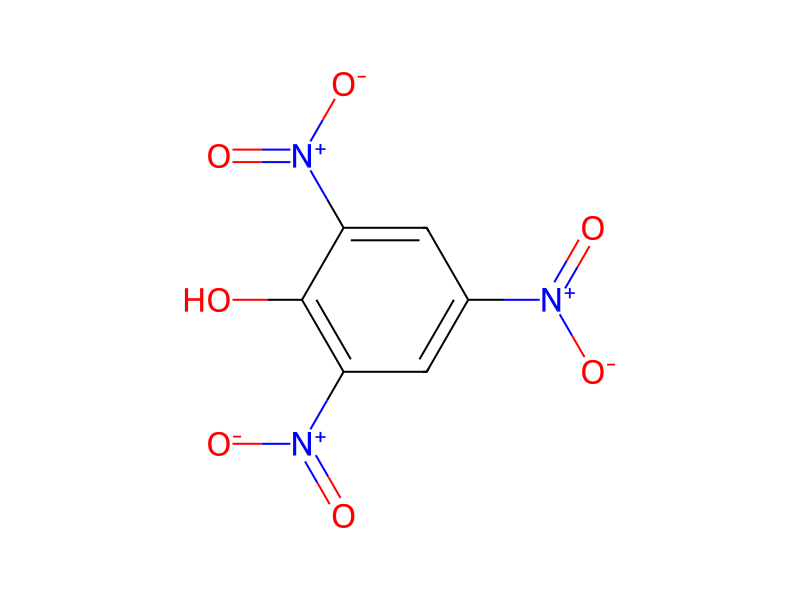
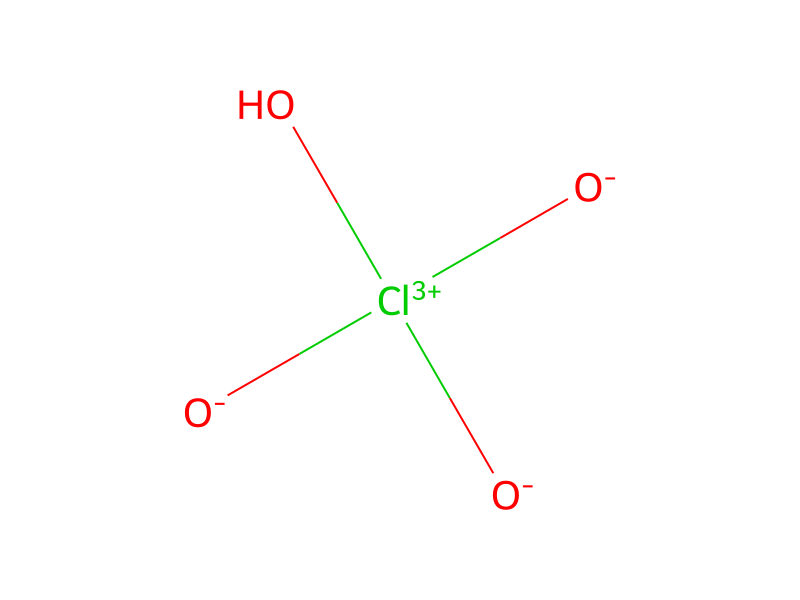

Product 2

Reagents, catalysts & solvents 1

Procedure
These titration methods utilize three different reagents: pyridine hydrochloride, perchloric acid or picric acid. In the pyridine hydrochloride method, free amino groups on the solid phase are converted to a hydrochloride salt with pyridine hydrochloride in methylene chloride. The chloride is subsequently eluted from the solid phase to the liquid phase, the liquid phase is separated from the solid phase and the level of chloride ion in the liquid phase is determined potentiometrically. In the perchloric acid method, the free amino groups on the solid phase are determined by direct potentiometric titration of the solid phase by insertion of an electrode directly into the reaction vessel. In the picric acid method, picrate salts of any free amino groups on the solid phase are formed with picric acid, a readily detected chromophore. The picrate ion is subsequently eluted from the solid phase to the liquid phase, the liquid phase is separated from the solid phase, and the level of the picrate ion in the liquid phase is determined spectrophotemetrically.
Workup
- washThe chloride is subsequently eluted from the solid phase to the liquid phase
- customthe liquid phase is separated from the solid phase
Sources & evidence
- ORD record
- ord-d3b3312719da4d6cb110824df90e73e5
- Source dataset
- uspto-grants-1989_01
- Patent number
- US04800166
Reaction notes
Loading…