Ammonia → HCID 10108025, compound
Reaction equation

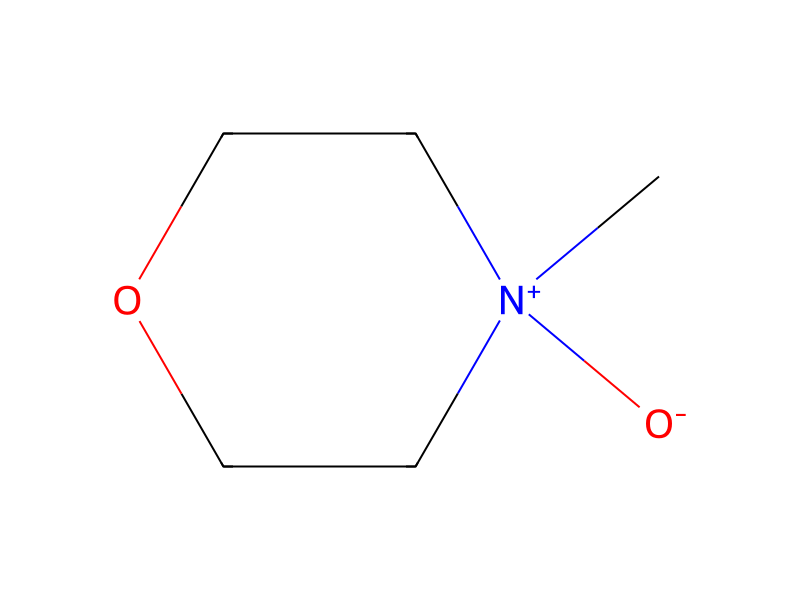
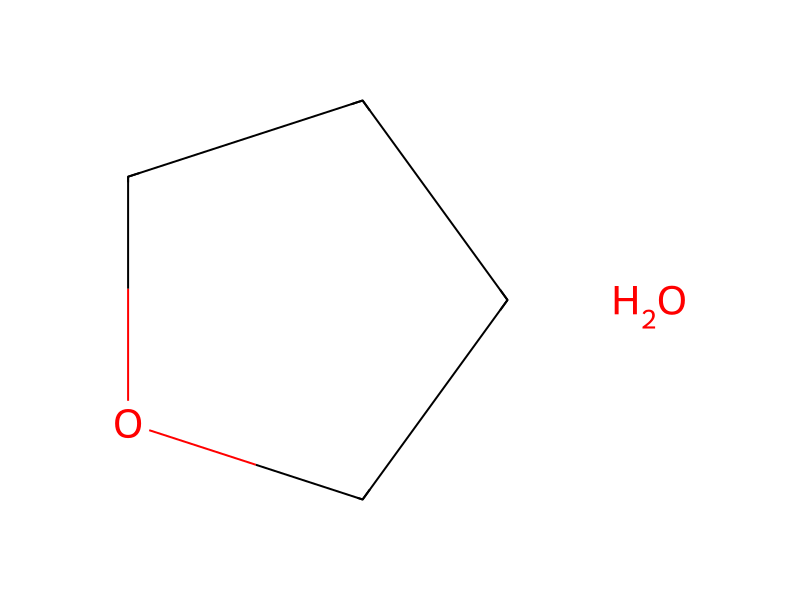
[Cl:1][C:2]1[N:10]=[C:9]2[C:5]([N:6]=[CH:7][N:8]2[C@H:11]2[CH2:15][C@@H:14]([OH:16])[CH:13]=[CH:12]2)=[C:4](Cl)[N:3]=1.C[N+]1([O-])CC[O:22]CC1.[NH3:26].C1COCC1.[OH2:32]>CO.[Os](=O)(=O)(=O)=O>[NH2:26][C:4]1[N:3]=[C:2]([Cl:1])[N:10]=[C:9]2[C:5]=1[N:6]=[CH:7][N:8]2[C@@H:11]1[CH2:12][C@H:13]([OH:32])[C@@H:14]([OH:16])[C@H:15]1[OH:22]Participants




Procedure
To a solution of 48 (1 g, 3.70 mmol) in THF-H2O (10:1, 50 mL) was added a 60% aqueous solution of N-Methylmorpholine N-oxide (1.2 mL, 1.14 mmol) and then osmium tetroxide (30 mg). The reaction mixture was stirred at room temperature for 24 h. The solvent was removed by rotary evaporation and the residue was co-evaporated with EtOH (3×50 mL) to give a gummy material. This residue was dissolved in MeOH presaturated with anhydrous ammonia (50 mL) and stirred in a sealed tube at room temperature for 5 days. Volatiles were removed by rotary evaporation and the residue was subjected to column chromatography on silica gel (MeOH--CH2Cl2, 9:1) to give 50 (800 mg, 80%) as white solid: mp 180° C. (dec.); 1H NMR (DMSO-d6) δ 1.77-190 (m, 1 H, H-5'), 2.50 (m, 1 H, H-5') 3.75 (m, 1 H, H-2'), 3.89 (m, 1 H, H-1'), 4.40-4.52 (m, 1 H, H-3'), 4.62-4.81 (m, 1 H, H-4'), 4.87 (d, 1 H, J=3.6 Hz, OH), 5.01 (d, 1 H, J=6.6 Hz, OH), 5.36 (d, 1 H, J=4.8 Hz, OH), 7.22 (s, 2 H, NH2), 8.11 (s, 1 H, H-8).
Workup
- customThe solvent was removed by rotary evaporation
- customto give a gummy material
- stirringstirred in a sealed tube at room temperature for 5 days
- customVolatiles were removed by rotary evaporation
Sources & evidence
- ORD record
- ord-4134fe452eb042f7b0fd3d49a9997cf7
- Source dataset
- uspto-grants-1997_11
- Patent number
- US05688774
Reaction notes
Loading…