Hydrochloric Acid → 3-(3,4-Dichlorophenyl)-2-propene-1-ol acetate
Reaction equation

[Cl:1][C:2]1[CH:3]=[C:4]([CH:9]=[CH:10][CH2:11][OH:12])[CH:5]=[CH:6][C:7]=1[Cl:8].N1C=CC=CC=1.CN(C1C=CC=CN=1)C.[C:28](Cl)(=[O:30])[CH3:29].Cl>ClCl>[C:28]([O:12][CH2:11][CH:10]=[CH:9][C:4]1[CH:5]=[CH:6][C:7]([Cl:8])=[C:2]([Cl:1])[CH:3]=1)(=[O:30])[CH3:29]Participants
7



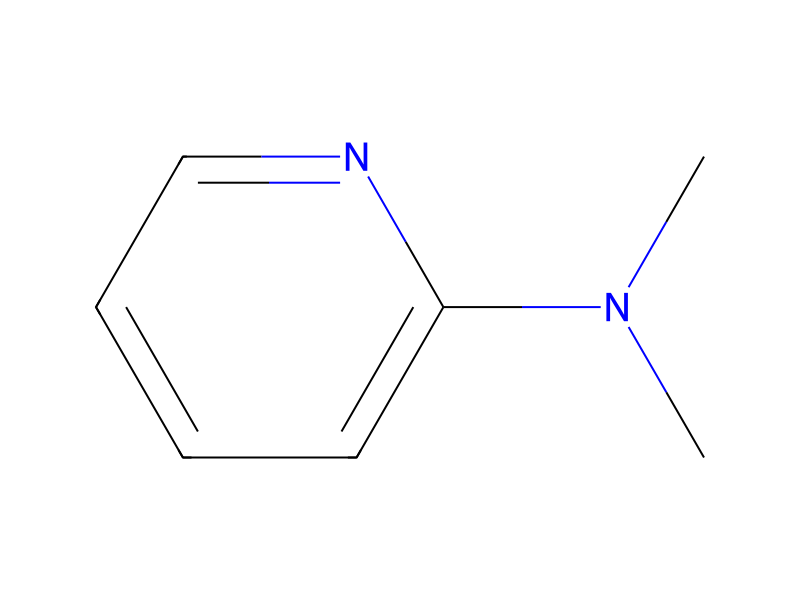



Conditions
- Temperature
- 23 °C
Procedure
Combine a solution of the product of Step 2 (13.2 g, 65 mmol) in CH2 Cl2 (250 mL) at 0° C. with pyridine (7.89 mL, 97.5 mmol) and dimethylaminopyridine (DMAP) (397 mg, 3.25 mmol), followed by acetyl chloride (6.48 mL, 74.7 mmol). Allow the mixture to warm to 23° C., pour into 1M HCl (100 mL) and wash the resulting organic layer with 1M HCl (100 mL) followed by water (5×100 mL; pH=6.5-7). Dry the organic layer over Na2SO4 and concentrate, providing 3-(3,4-dichloro-phenyl)-2-propene-1-ol acetate as a colorless oil, 15.4 g (62.9 mmol, 97%).
Workup
- customat 0° C.
- washwash the resulting organic layer with 1M HCl (100 mL)
- dry with materialDry the organic layer over Na2SO4
- concentrationconcentrate
Sources & evidence
- ORD record
- ord-e19102c357ff43fe94e6a5fdf57aa3aa
- Source dataset
- uspto-grants-1997_11
- Patent number
- US05691362
Reaction notes
Loading…