Vanillin → N,N-diethyl-m-toluamide
Reaction equation

[O:1]=[CH:2][C:3]1[CH:11]=[CH:10][C:8]([OH:9])=[C:5]([O:6][CH3:7])[CH:4]=1.[CH3:12][CH2:13][N:14]([C:17]([C:19]1[CH:24]=[C:23]([CH3:25])[CH:22]=[CH:21][CH:20]=1)=[O:18])[CH2:15][CH3:16].O=CC1C=CC(O)=C(OC)C=1>C(O)C>[O:1]=[CH:2][C:3]1[CH:11]=[CH:10][C:8]([OH:9])=[C:5]([O:6][CH3:7])[CH:4]=1.[CH3:12][CH2:13][N:14]([C:17]([C:19]1[CH:24]=[C:23]([CH3:25])[CH:22]=[CH:21][CH:20]=1)=[O:18])[CH2:15][CH3:16]Participants
5
Reactant 2
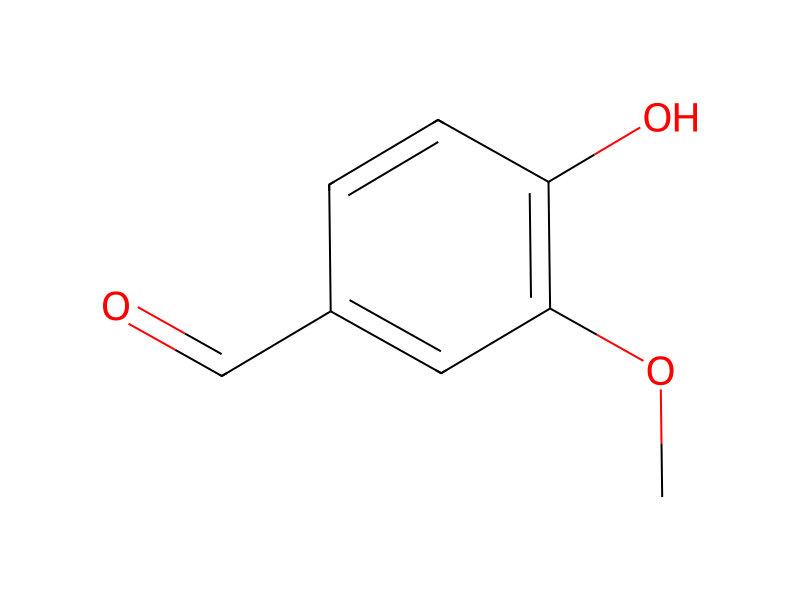

Product 2
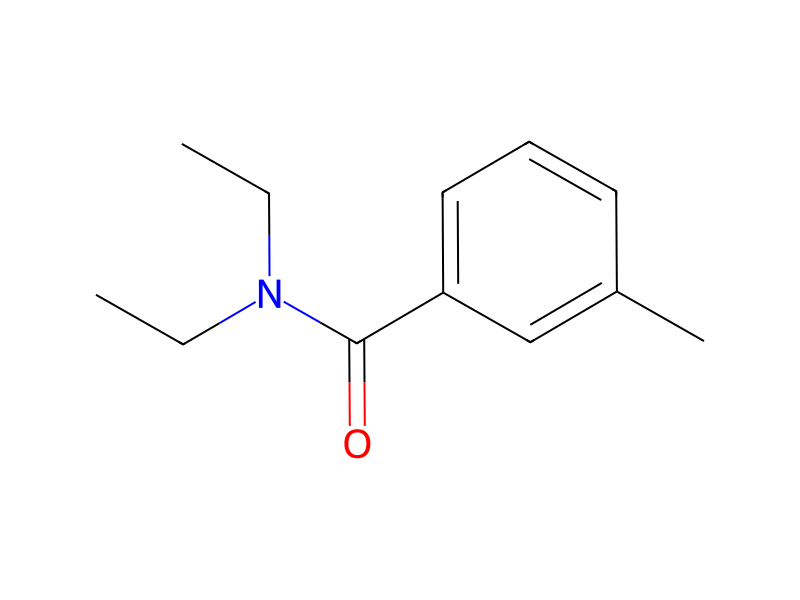
Reagents, catalysts & solvents 1

Procedure
Forestry workers from the Canadian Forestry Service have tested the effects of vanillin-DEET mixtures under field conditions in Northern Ontario. Vanillin was dissolved in ethanol at a concentration of 5 g. vanillin per ml. and this concentrate then added to a commercial repellent containing 47.5% DEET to give a final solution concentration of about 10% vanillin and about 50% DEET. This combined formulation was tested by 25 subjects over extended periods under various conditions (in comparison with the commercial 48% DEET repellent). The comparison was based on both landings and bites. Twenty three out of the 25 subjects reported that the test mixture was a more effective repellent.
Workup
- concentrationand this concentrate
- additionthen added to a commercial repellent
- additioncontaining 47.5% DEET
Sources & evidence
- ORD record
- ord-9cf9f7134d554bc08c410b393891fac7
- Source dataset
- uspto-grants-1984_01
- Patent number
- US04427700
Reaction notes
Loading…