Water → N-(2,4-dichlorophenyl)ethanehydrazonoyl chloride
Reaction equation

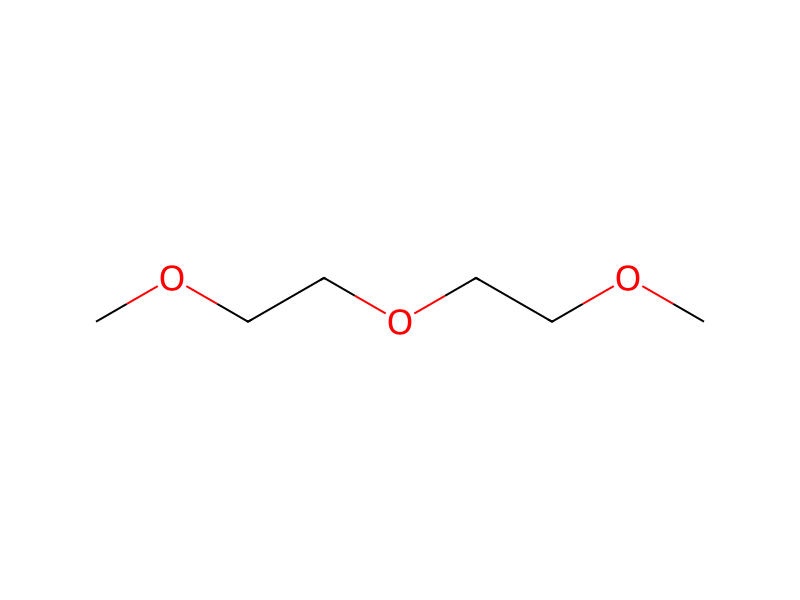
[Cl:1][C:2]1[CH:7]=[C:6]([Cl:8])[CH:5]=[CH:4][C:3]=1[NH:9][N:10]=[C:11]([Cl:13])[CH3:12].[O-:14][C:15]#[N:16].[K+].O>COCCOCCOC>[Cl:1][C:2]1[CH:7]=[C:6]([Cl:8])[CH:5]=[CH:4][C:3]=1[NH:9][N:10]=[C:11]([Cl:13])[CH3:12].[Cl:1][C:2]1[CH:7]=[C:6]([Cl:8])[CH:5]=[CH:4][C:3]=1[N:9]1[C:15](=[O:14])[NH:16][C:11]([CH3:12])=[N:10]1Participants



Procedure
A solution of 5.1 grams (0.0214 mole) of N-(2,4-dichlorophenyl)ethanehydrazonoyl chloride (A), prepared as in Example 1, 2.1 grams (0.0257 mole) potassium cyanate, and 3 mL of water in 51 mL of diglyme was stirred at ambient temperature for about 22 hours. After this time, the reaction mixture was concentrated under reduced pressure to a residue. The residue was dissolved in about 500 mL of ethyl acetate and washed with three 25 mL portions of water. The organic layer was dried with magnesium sulfate and filtered. The filtrate was concentrated under reduced pressure to a residue. The residue was triturated with hexane and the resultant solid was collected by filtration. The solid was dried, yielding 4.5 grams (85.2% yield from (A)) of subject compound (1).
Workup
- concentrationAfter this time, the reaction mixture was concentrated under reduced pressure to a residue
- dissolutionThe residue was dissolved in about 500 mL of ethyl acetate
- washwashed with three 25 mL portions of water
- dry with materialThe organic layer was dried with magnesium sulfate
- filtrationfiltered
- concentrationThe filtrate was concentrated under reduced pressure to a residue
- customThe residue was triturated with hexane
- filtrationthe resultant solid was collected by filtration
- customThe solid was dried
Sources & evidence
- ORD record
- ord-842cda350c7f4e409d757d25ffe39ead
- Source dataset
- uspto-grants-2002_12
- Patent number
- US06492527B1
Reaction notes
Loading…