Hydrochloric Acid → 4-Bromo-2-thiophenecarboxylic Acid
Reaction equation

[Br:1][C:2]1[CH:3]=[C:4]([CH:7]=[O:8])[S:5][CH:6]=1.CC(=CC)C.Cl([O-])=[O:15].[Na+].Cl>C(O)(C)(C)C.O>[Br:1][C:2]1[CH:3]=[C:4]([C:7]([OH:15])=[O:8])[S:5][CH:6]=1Participants

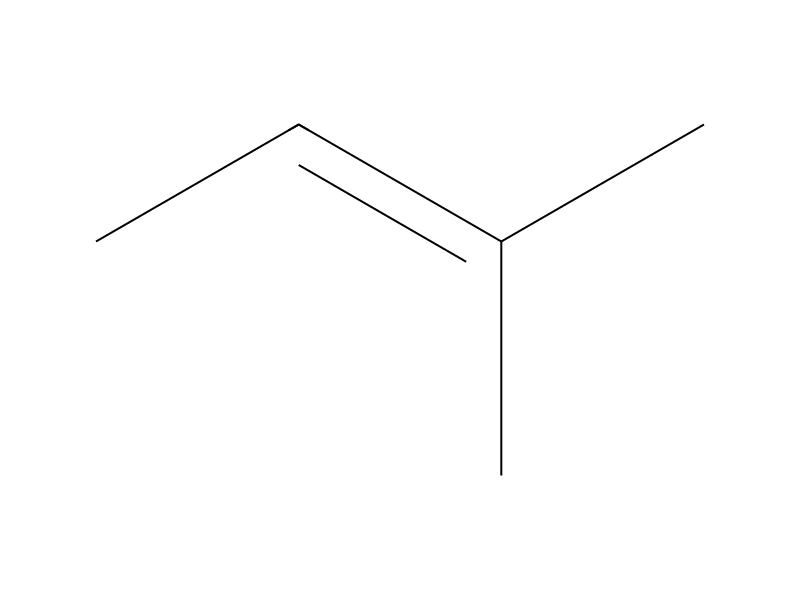

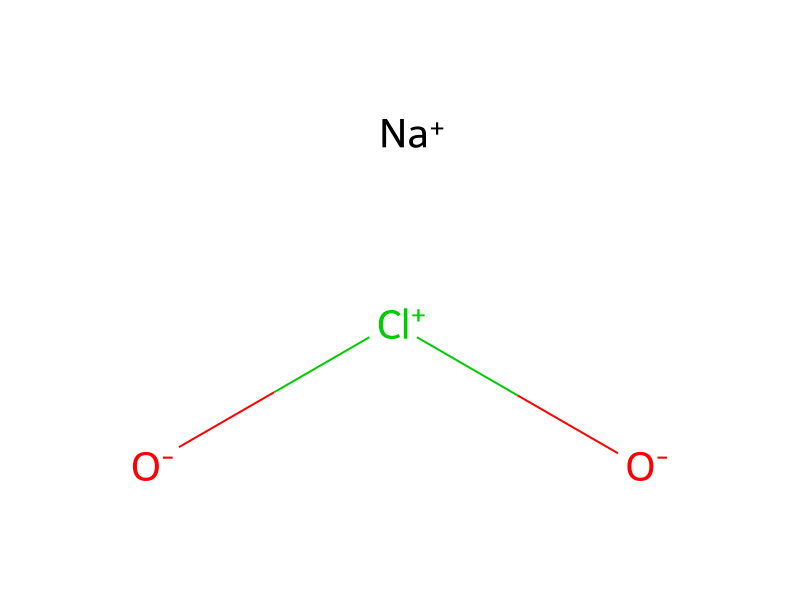



Procedure
To a cooled (0° C.) solution of 10.0 g (47.1 mmol based on 90% purity) of 4-bromothiophene-2-carbaldehyde (Aldrich Chemical Company, Milwaukee, Wis.) in 200 mL of t-butanol was added 100 mL of 20 % (w/v) NaH2PO4 followed by 60 mL (0.566 mol) of 2-methyl-2-butene. Sodium chlorite (70.8 mmol based on 80% purity) in 60 mL of water was added with stirring. After stirring the two-phase mixture vigorously for 16 h at room temperature, the pH of the aqueous layer was adjusted to 1-2 with 20% HCl. The layers were separated and the aqueous layer extracted with EtOAc (2×120 mL). The combined organic layers were dried (Na2SO4) and concentrated in vacuo to afford 9.8 g of an off-white solid. Recrystallization from a minimum of MeCN (three crops) gave the title compound as a white solid (9.02 g, 93%). 1H-NMR (300 MHz, CDCl3) δ7.79 (d, 1H, J=1.5 Hz), and 7.55 (d, 1H, J=1.5 Hz).
Workup
- stirringAfter stirring the two-phase mixture vigorously for 16 h at room temperature
- customThe layers were separated
- extractionthe aqueous layer extracted with EtOAc (2×120 mL)
- dry with materialThe combined organic layers were dried (Na2SO4)
- concentrationconcentrated in vacuo
Sources & evidence
- ORD record
- ord-2c7b22a316674824b7e12f757eb09f88
- Source dataset
- uspto-grants-2002_12
- Patent number
- US06492403B1
Reaction notes
Loading…